When you think of a market, you might picture a bustling hub of transactions. But in Indonesia, traditional markets are much more than places of commerce—they are living, breathing expressions of the nation’s rich cultural diversity and timeless traditions, including in food systems. Across the archipelago, these markets stand as vibrant reflections of local heritage, attracting visitors from all over the world.
Indonesia’s breathtaking diversity—spanning culture, traditions, food, and geography—gives rise to markets with truly distinctive characteristics. Whether through the way goods are exchanged, the location, or the unique offerings, these markets tell compelling stories of resilience and community. Here are some extraordinary markets to inspire your next travel plans:
Papringan Market, Central Java
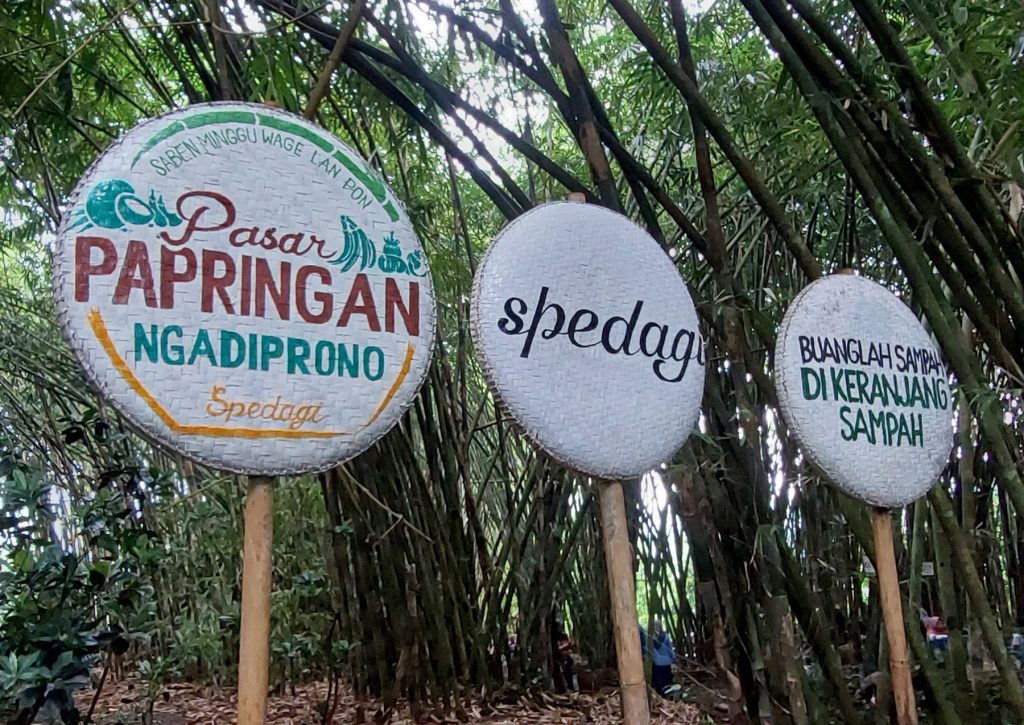
Located in Ngadiprono Village, Temanggung City, Central Java Province, Papringan Market is a place where stunning traditional bamboos (pring) take center stage—not only in the market’s aesthetic but also as currency.
Visitors exchange money for bamboo tokens, each worth IDR 2,000, to purchase local delicacies, kitchen spices, fresh fruits and vegetables, and local handmade crafts.
Open only on certain Sundays aligned with the Javanese calendar (Wage or Pon), this market celebrates traditional Javanese culture and wisdom, and sustainability practices amidst a serene bamboo grove.
Lok Baintan Floating Market, South Kalimantan
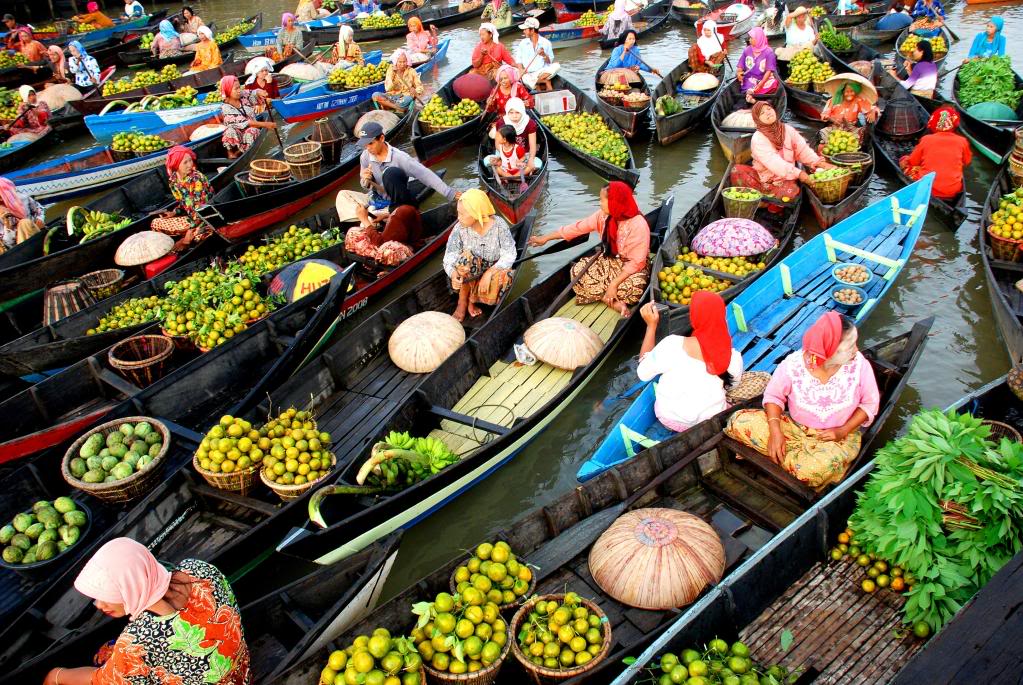
Ever imagined shopping while floating on a river? At Lok Baintan, it’s a daily reality. This iconic floating market along the Martapura River has been active since the 18th century, preserving the traditional barter system.
Visitors can soak in the vibrant scene of boats brimming with fresh produce, all while experiencing an enchanting glimpse into Indonesia’s past. Declared an Intangible Cultural Heritage of Indonesia in 2016, Lok Baintan Floating Market provides a unique shopping experience steeped in history and charm, especially of food products (fresh and processed).
Pasar Bisu, West Sumatra
Pasar Bisu, or the “Silent Market,” is as intriguing as it sounds. Transactions here are conducted in complete silence using hand signals. This tradition, known as Marosok, involves discreet handshakes under a sarong to agree on prices.
Specializing in livestock, the market is a captivating insight into the customs of West Sumatra, where actions truly speak louder than words.
Tomohon Market, North Sulawesi
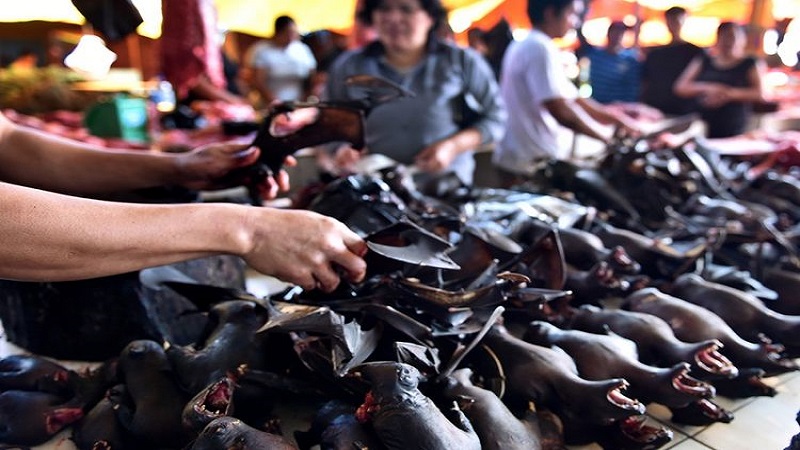
For the adventurous, Tomohon Market in North Sulawesi offers a truly unique experience. Known as the “extreme market,” it features exotic meats like snake and bat. While its offerings might not appeal to everyone, Tomohon Market showcases the bold flavors of Minahasan cuisine, rich in spices and traditional cooking techniques like woku (stewing). Traditionally, the Minahasan diet relies heavily on seafood, but also includes poultry and various forest meats.
Situated between Mount Lokon and Mount Mahawu, the market’s serene setting contrasts with its daring offerings, making it a destination that’s both intriguing and picturesque.
Pasar Kembang, Surabaya
Despite its name, meaning “Flower Market,” Pasar Kembang in Surabaya is a haven for food lovers, offering a variety of traditional snacks like lapindo cake, lemper, and Surabaya lalis.
Open from midnight to 6:00 AM, this market is a perfect late-night destination for indulging in local delicacies and experiencing Surabaya’s vibrant food culture.
Pasar Lama, Tangerang
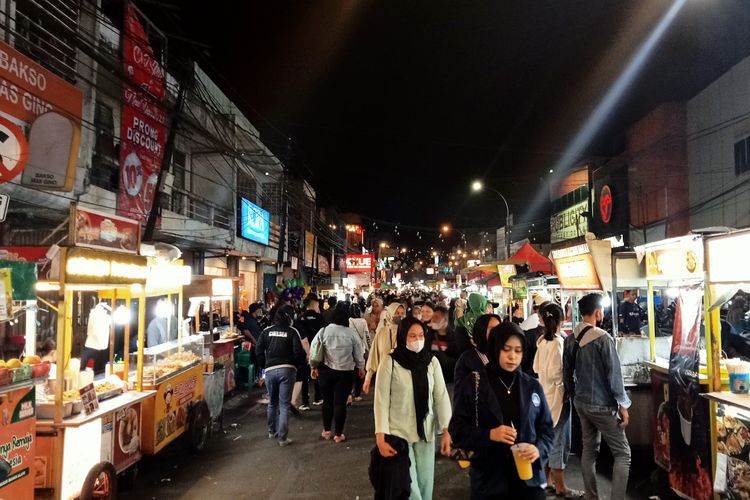
Unlike most traditional markets that open at dawn, Pasar Lama Tangerang comes alive in the evening, operating from 4:00 PM until midnight. It’s an ideal spot for gathering with friends and exploring a wide range of street food, from soto and satay to egg rolls and serabi.
Markets as Cultural Food Gateways
Indonesia’s markets are more than trading hubs—they are cultural landmarks that invite visitors to explore the heart and soul of its communities. Each market reveals a unique blend of tradition, ingenuity, and natural beauty, offering unforgettable experiences for tourists and locals alike.
Ready to explore Indonesia’s cultural gems? Start your journey at these incredible markets and immerse yourself in the stories they have to tell. (a.S.)
📍 For more stories of Indonesia’s food heritage, visit www.tanahairudara.org.