On World Tea Day, celebrated every May 21st, we honor not only the soothing beverage enjoyed by millions but also the cultures, ecosystems, and communities behind every cup. In Indonesia, tea is more than a drink—it is a symbol of tradition, resilience, and the deep connection between people and nature.

A Rich History Rooted in the Land
Tea has been cultivated in Indonesia since the 18th century, with the Dutch introducing the Camellia sinensis plant to the highlands of Java. Over time, Indonesia grew into one of the world’s major tea producers, with thriving plantations in West Java, Central Java, and Sumatra. The cool climate and volcanic soil of these regions create ideal conditions for cultivating high-quality black, green, and white teas.
But behind the export numbers and global demand is a story of generations of farmers, Indigenous communities, and women-led cooperatives who have preserved traditional knowledge and sustainable practices.
Tea and Sustainability
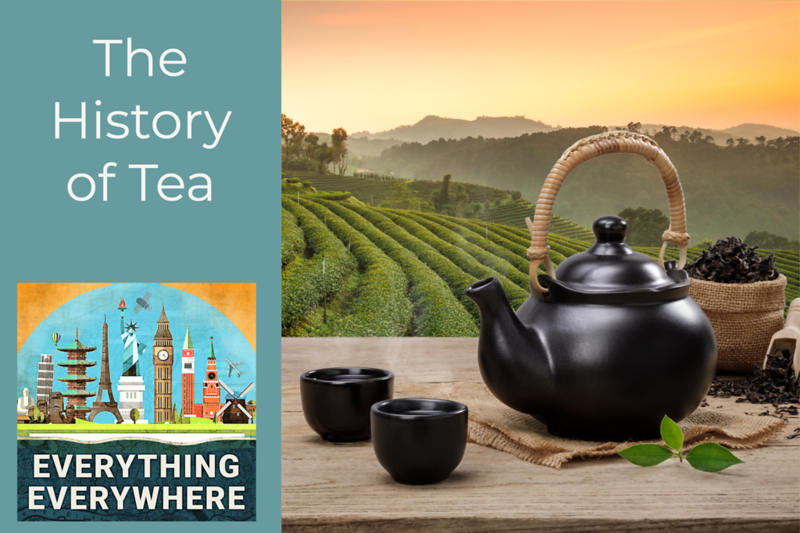
At Tanah Air Udara (TAU), we view tea as an entry point into broader conversations about food sovereignty and environmental justice. Smallholder tea farmers are at the frontlines of the climate crisis, facing unpredictable rainfall, soil degradation, and market pressures. Yet many continue to practice agroecology, intercropping tea with shade trees and medicinal plants, preserving biodiversity while building resilient food systems. Promoting fair trade, organic cultivation, and local processing is essential to ensuring that tea production contributes to both livelihood security and ecological balance.
Empowering Youth Through Tea
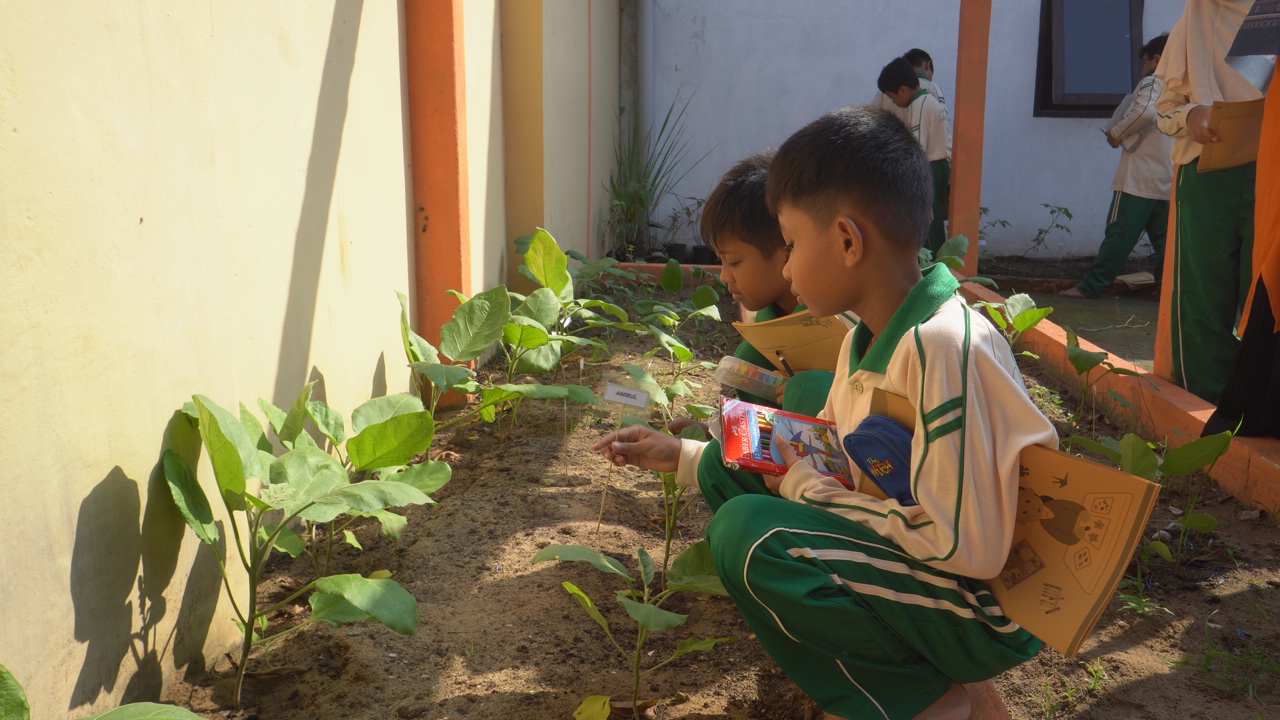
Tea is also a powerful tool for engaging young people in sustainable agriculture. TAU has the mission that young people are learning to revalue traditional crops like tea—not just as commodities, but as carriers of culture and catalysts for change.
Workshops and field visits introduce them to the science of sustainable farming, the art of herbal blending, and the business of community-led enterprises. These activities nurture a generation that understands the value of local food systems and is equipped to defend them.
More Than a Brew: The Stories Carried by Indonesian Tea
On this World Tea Day, we raise our cups not only in celebration but in solidarity—with tea growers such as in West and Central Java, the women’s cooperatives in Solok-West Sumatra, and the youth in Simalungun-North Sumatra, who are reviving organic tea gardens. We invite the world to recognize Indonesian tea not just for its flavor and aroma, but for the stories it carries—of land, labor, and love.
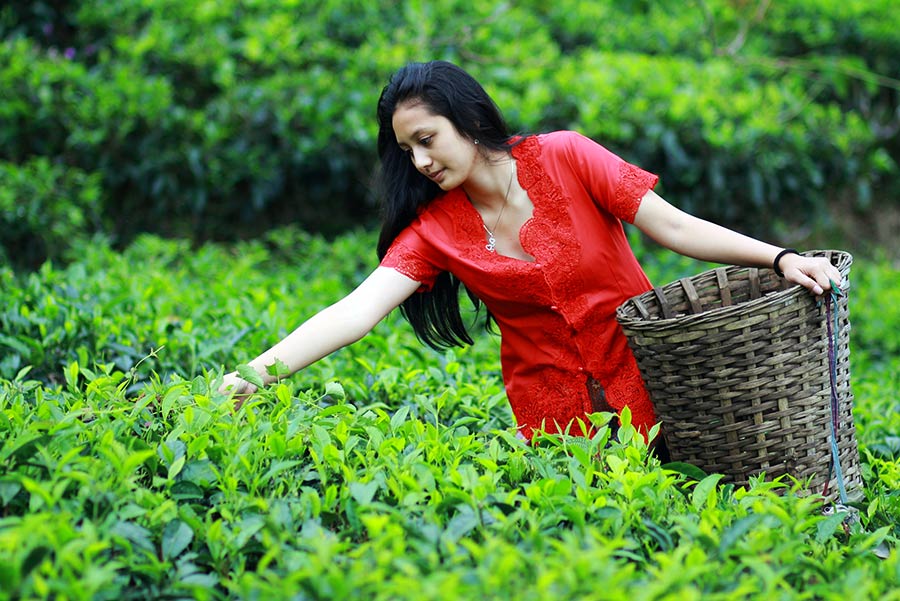
Every cup of tea begins with hands in the soil. In the highlands of Java, tea is hand-picked at dawn by women who have inherited both the technique and the tenacity from their mothers and grandmothers. In the misty hills of Sumatra, tea gardens are intertwined with ancestral forests, cared for by Indigenous communities who treat the land as a living relative, not a resource.
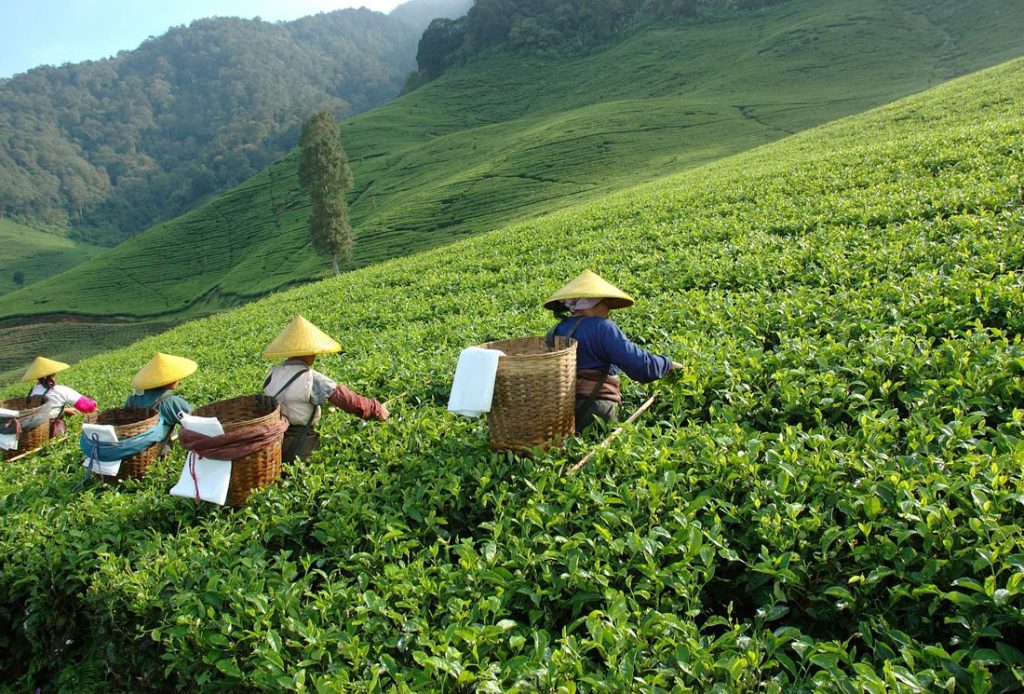
These are the untold stories behind Indonesian tea—stories of:
- Land: Tea thrives in biodiverse ecosystems, often grown alongside native trees and medicinal herbs. Farmers who steward these landscapes are not only cultivating crops but protecting water sources, stabilizing soils, and maintaining ecological balance. Tea gardens, when sustainably managed, become sanctuaries of environmental resilience.
- Labor: The human effort behind tea production is often invisible. From plucking leaves in the early morning fog to processing, drying, and packaging by hand, tea involves skilled, time-intensive labor. Yet workers—especially women and small-scale producers—are often undervalued and underpaid. Recognizing their contribution means fighting for fairer trade systems, livable wages, and dignified livelihoods.
- Love: Tea is a legacy of care. It’s a symbol of hospitality in Indonesian households, where it is served to guests with warmth and intention. It is also a medium of intergenerational knowledge transfer—of stories, rituals, and ecological wisdom passed down over cups of steaming tea. This deep, cultural relationship to tea reflects a kind of love not just for the product, but for the land and the people who make it possible.
As we sip our tea today, let us listen to these stories. Let us celebrate not just what is in the cup, but who is behind it—and support efforts that center equity, sustainability, and heritage in the world of tea.
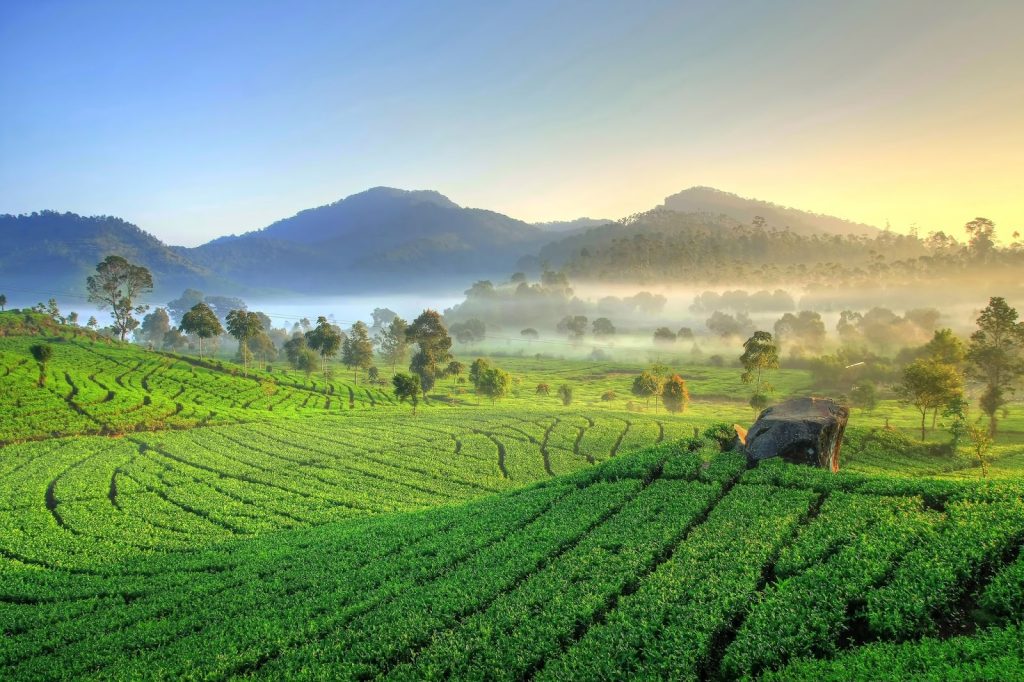
Let tea be a bridge—from the highlands of Indonesia to the world, from tradition to transformation. (a. S.)
Happy World Tea Day!