“Peradaban Pangan” in Bahasa Indonesia or “Food Civilization” refers to the intricate relationship between food and the development of human societies, cultures, economies, and environments throughout history. It goes beyond the simple act of eating and delves into how food production, distribution, and consumption have shaped human progress. Discussing food civilization allows us to understand how food has influenced everything from technological advances to cultural identities and global systems. It encompasses the following aspects:
- Agricultural Practices:
The evolution from hunting and gathering to agriculture around 10,000 years ago is a major milestone in human civilization. It marked the beginning of stable food production. The domestication of crops and animals provided a consistent food supply and allowed societies to settle and form permanent communities, leading to the rise of cities and nations, to the growth of villages, towns, and eventually, complex civilizations.
Subsequently, the people’s ability to store surplus food enabled societies to survive through periods of scarcity and foster trade across cities and nations.
- Food Technology:
Agriculture innovations like the plow, irrigation systems, crop rotation, and later, the use of chemical fertilizers and machinery, revolutionized food production. The Green Revolution in the mid-20th century significantly increased food yields, especially in developing countries. Also, the advancement of food preservation, cold storage, and preparation technologies (e.g., fermentation, refrigeration) has greatly impacted the way societies manage food resources, enabling long-term storage and global trade.
The Industrial Revolution also led to the mass production of food, the rise of processed foods, and the development of global food supply chains. This enabled the movement of food products across long distances and allowed urban populations to access a wide variety of foods year-round. In recent times, modern food technologies such as genetic modification, AI in agriculture, vertical farming, and lab-grown meat are reshaping the way we produce and consume food.
- Culinary Traditions:
Every civilization has developed its own unique food culture, influenced by geography, climate, religion, and trade. These traditions define what is eaten, how food is prepared, and the social significance attached to meals.
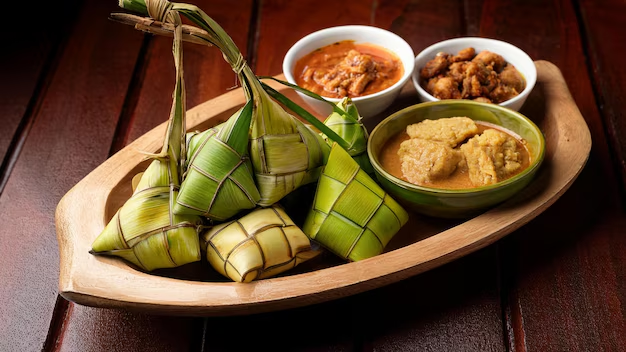
Over time, cuisine serves as an Identity. The development of regional cuisines became central to cultural identity. Foods, preparation techniques, and meal structures became markers of national and ethnic identity. Examples include Mediterranean cuisine, the complex spice blends of Indian cuisine, and the rice-based dishes in Southeast Asia, including Indonesia.
- Social and Religious Significance:
Food holds profound social and religious significance, deeply embedded in the traditions and rituals of communities worldwide. Across different cultures, food is not just a source of nourishment but a central element in religious observances, festivals, and social gatherings that reflect cultural identity and values.
Many religious traditions incorporate specific foods in their rituals and celebrations. For example, during Ramadan, Muslims fast from dawn to sunset, and the meal to break the fast (Iftar) is often shared with family and the community. Similarly, Christianity uses bread and wine in the Eucharist, symbolizing the body and blood of Christ. Moreover, in Islam, halal laws dictate what foods are permissible, while kosher laws in Judaism guide food preparation and consumption. These dietary rules are not just practical guidelines but are deeply intertwined with religious identity and spirituality, connecting individuals to their faith.
Throughout history, food has been a symbol of wealth and social rank too. The ability to import and consume exotic foods in the past highlighted one’s status and access to global trade networks. Food is more than sustenance—it is a medium of expression, a bridge to faith, and a marker of identity and status. Its religious and social significance continues to shape how communities connect with each other and maintain cultural continuity across generations.
- Economic Systems:
Food has been a driving force behind the creation of trade networks that linked different parts of the world. Early civilizations traded surplus crops, spices, and livestock across vast distances, establishing trade routes such as the Silk Road, which connected Asia, Europe, and Africa. This network facilitated the exchange of vital food items like tea, spices, and grains, enriching diets and cultures far beyond their points of origin.
Over time, trade routes, colonialism, and globalization transformed the global food landscape. The colonial era, in particular, allowed the forced spread of crops and agricultural practices, often to the detriment of indigenous peoples and ecosystems. Despite these negative impacts, colonialism contributed to the global circulation of crops, such as potatoes, maize, sugarcane, and coffee, which are now staple foods in regions far removed from their places of origin.
Today, the modern food system is highly globalized, with food products grown, processed, and consumed in different parts of the world, providing year-round access to diverse ingredients. While this offers consumers more variety and enables regions to specialize in certain crops, it also creates dependencies and vulnerabilities. For instance, recent supply chain disruptions during the pandemic highlighted the risks of relying too heavily on global food networks. Vulnerabilities in production and transportation can lead to shortages, price spikes, and food insecurity in regions dependent on imported goods.
This complex interplay between trade, history, and globalization continues to influence the structure of modern food systems, emphasizing the need for balance between global trade and local resilience in the pursuit of food security and sustainability.
- Environmental Impact:
As civilizations grow, so does the need for sustainable food systems. Contemporary concerns about food civilization include managing resources like water, soil, and biodiversity in the face of population growth and climate change.
Large-scale agriculture has drastically transformed natural landscapes, leading to deforestation, soil degradation, and loss of biodiversity. Overgrazing, monoculture farming, and heavy use of chemical inputs have further strained ecosystems. On the other side, climate change is a growing challenge to food production, with changing weather patterns, droughts, floods, and pests threatening crop yields. Ensuring food security in the face of climate change is one of the greatest challenges of the 21st century.
Future Challenges:
- Feeding a Continuous Growing Population:
With the global population projected to reach 10 billion by 2050, ensuring a stable and sufficient food supply is critical. This challenge is exacerbated by urbanization, changing diets, and environmental constraints.
- Health and Nutrition:
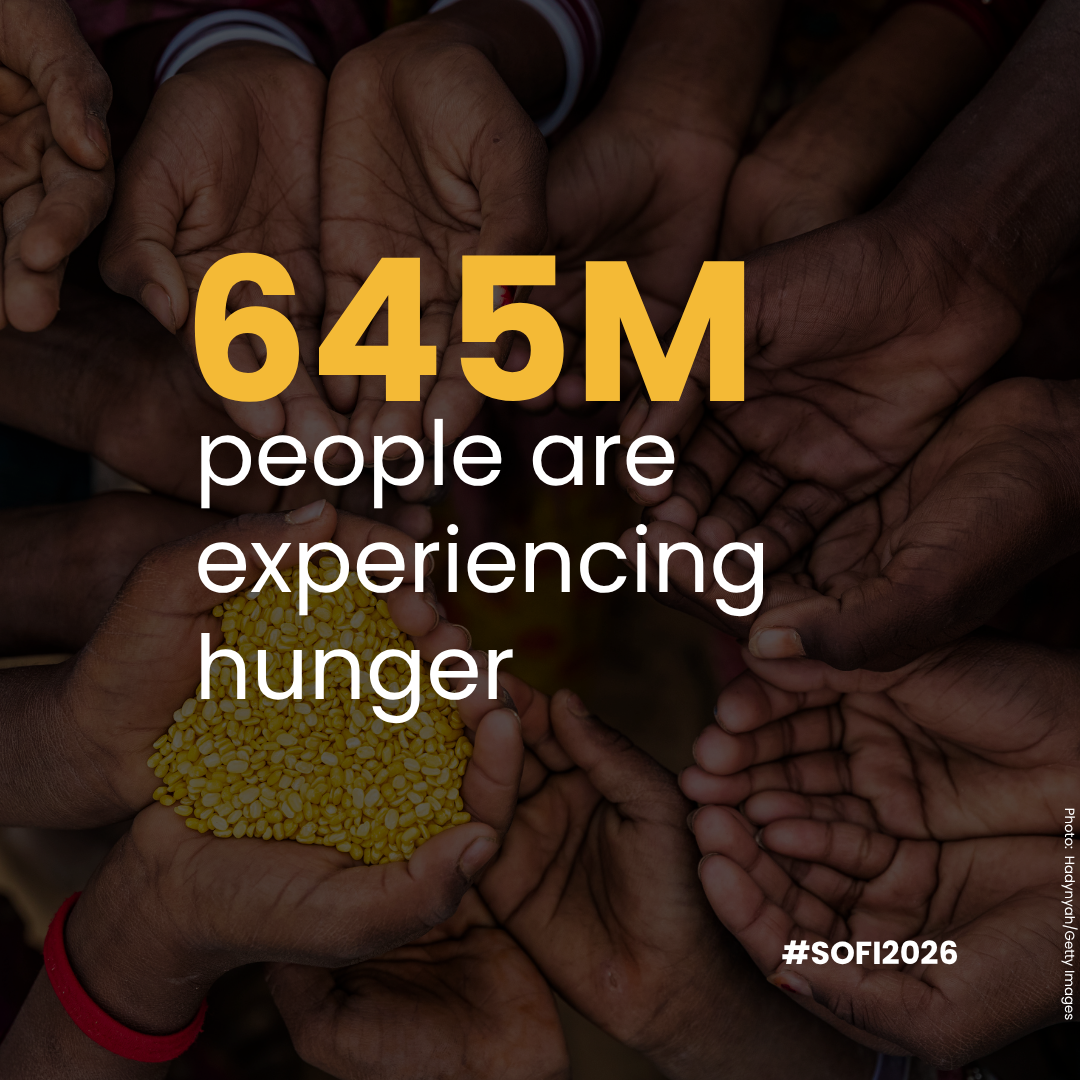
Modern civilization faces the paradox of both overnutrition (obesity and related diseases) and undernutrition (hunger and food insecurity). The rise of fast food and processed foods has transformed dietary habits, particularly in urban areas. While these foods are convenient and affordable, they are often linked to health issues like obesity and diabetes. Addressing these issues requires a balance between food availability, affordability, and nutritional quality.
- Sustainable Farming Practices:
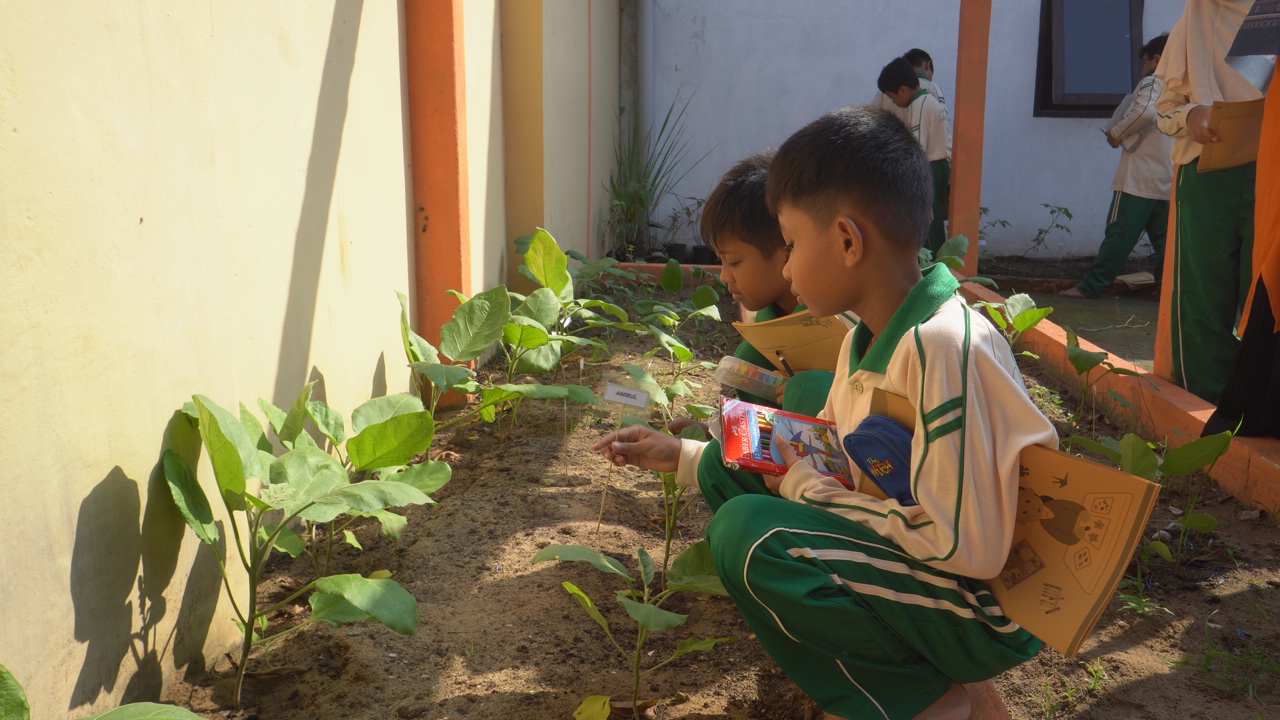
Future challenges in agriculture will revolve around the need to increase food production while preserving and restoring natural resources. As the global population grows, the pressure on agricultural systems intensifies, making sustainable farming practices critical to ensuring long-term food security and environmental health.
- Technological Innovations:
Future challenges in food systems will increasingly involve technological innovations, such as biotechnology, which promise to enhance food production while addressing environmental concerns. Advances like gene editing (e.g., CRISPR) and lab-grown meat are hailed by some as potential game-changers in creating more efficient and sustainable food systems. Some believe that these technologies can reduce reliance on traditional farming, lessen the environmental impact of livestock, and improve crop resilience to climate change, pests, and diseases.
However, the adoption of such technologies is not without controversy. In many parts of the world, cultural and religious values play a significant role in shaping people’s food preferences and choices. For instance, the concept of lab-grown meat may conflict with religious dietary laws or ethical beliefs about natural food. Similarly, genetically modified organisms (GMOs) and gene-edited crops may face resistance in communities that prioritize traditional farming methods or have concerns about the long-term impacts of altering the genetic makeup of food.
These innovations also raise ethical and social questions about the control and ownership of food technologies. Large corporations often drive biotechnology advances, leading to concerns of traditional farming proponents about access, equity, and the concentration of power over food systems.
Conclusion
“Food Civilization” is a complex and ever-evolving concept that highlights the integral role food has played in shaping human history, culture, economies, and environments. From the agricultural revolutions of the past to the technological innovations of today, food has been central to the rise and fall of civilizations and continues to be a critical factor in addressing global challenges such as climate change, food security, and sustainability.
The integration of agroecology, regenerative farming, and/or AI-driven precision agriculture offers promising solutions to the future challenges of feeding the world sustainably. These smart farming practices aim to balance high productivity with environmental conservation, ensuring that future generations can rely on healthy ecosystems for food production. As climate change, resource depletion, and population growth continue to strain agricultural systems, these sustainable approaches will become increasingly important for achieving long-term food security.
Future food systems will also need to carefully navigate the balance between technological progress and respect for cultural diversity and ethical as well as religious considerations. Ensuring inclusive dialogues between communities, scientists, policymakers, and religious leaders will be essential in addressing these challenges and finding solutions that respect cultural values while advancing sustainability
Tanah Air Udara (TAU) takes a holistic view of “food civilization,” recognizing the complex interplay between cultural, technological, and social systems surrounding food. Its focus on sustainable agriculture and food systems reflects a deep commitment to balancing food production with environmental conservation.
For TAU, understanding and respecting the cultural, environmental, and technological dimensions of food is essential to ensuring a resilient and equitable future for all. By promoting social and environmental stewardship focusing on local contexts, strengths, needs and demands, TAU aims to create a resilient and equitable food system that is socially and environmentally just.
TAU calls for collaboration across diverse sectors, particularly empowering women and young people is a key strategy in shaping the future of global food systems and, thus, the future of food civilization. (a.S.)
Stay tuned for more stories about “Food Civilization” here and on our IG @perkumpulan.tau