Indonesia is well known for its verdant rice paddies, which have long served as the basis for the agricultural and cultural legacy of the nation. The Subak system, a centuries-old irrigation and water management technique exclusive to the island of Bali, stands out among the traditional systems that support these rice paddies as an example of sustainable agriculture and community cooperation.
Origins and Cultural Significance
Originating in the ninth century, the Subak system has grown to be an essential part of Balinese culture, representing the island’s distinct fusion of spiritual beliefs and agricultural methods. The foundation of the system is the Tri Hita Karana school of thought, sometimes known as “the three causes of well-being.” The interaction between people, the natural world, and the supernatural is balanced by this philosophy. In the context of Subak, water is considered a sacred gift, and its management reflects a spiritual and practical effort to balance these relationships.
Subak is more than an irrigation system; it represents a cooperative network of farmers working together to ensure that water is fairly distributed from mountain sources to the rice terraces below. Each Subak is managed democratically by its members, who meet regularly to coordinate activities, resolve conflicts, and perform religious rituals to honor the deities believed to control the flow of water.
Organization and Operation of the Subak System
Water temples, which function as irrigation coordination hubs in addition to being spiritual locations, form the foundation of the Subak irrigation system. The water comes from a system of rivers, streams, and canals that run down from Bali’s volcanic hills. The scheduling of irrigation is greatly influenced by these temples, where farmers hold ceremonies in which they ask the gods for favors for bountiful crops.
A group of farmers who oversee a particular region of rice paddies and share access to an irrigation channel make up each Subak unit. A local authority known as the Pekaseh is often in charge of managing irrigation infrastructure maintenance, allocating water, and settling conflicts.
A distinctive feature of the Subak system is its ability to ensure water equity. Water is distributed based on the needs of each section of rice fields, with farmers at the highest and lowest points in the system receiving fair shares. This equitable distribution has been key to Subak’s success in maintaining productivity across large areas, preventing water shortages in the drier months, and avoiding disputes.
Sustainability and Environmental Balance
The Subak system’s environmental sustainability is one of its main advantages. It is self-sustaining since it depends on naturally occurring water supplies, local expertise, and cooperative efforts.
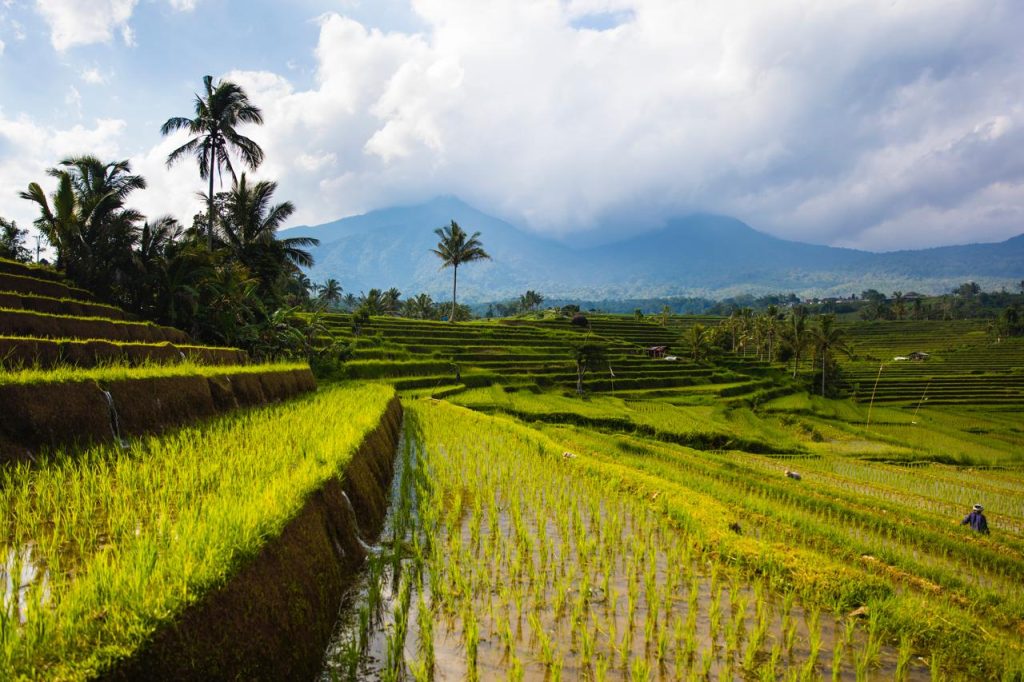
Carved into Bali’s slopes, the rice terraces effectively save water and lessen soil erosion. By regulating water flow and avoiding over-irrigation, the Subak system promotes soil fertility. Farmers maintain long-term productivity by allowing the soil to rest and regenerate through the cycle management of rice paddies.
In addition to being efficient for cultivating rice, the Subak system of water distribution also promotes biodiversity. In the flooded rice fields, fish, frogs, and other aquatic life flourish, forming a balanced ecosystem that supports both the demands of nature and agriculture.
Challenges and Modern Relevance
Despite its success, the Subak system indeed confronts several challenges in today’s world. The rapid urbanization, particularly in Bali’s tourist-centric areas, has resulted in the conversion of agricultural land into commercial and residential spaces. This not only diminishes the available area for rice cultivation but also jeopardizes the intricate water management system of the Subak. As urban demands divert water, Subak farmers often contend for scarce resources.
Furthermore, climate change presents a threat to the reliability of rainfall and water supply. The Subak system relies on consistent water flow from mountain sources, and shifting weather patterns could disrupt this equilibrium, potentially leading to periods of drought or flooding.
Nevertheless, the Subak system remains a source of valuable insights for sustainable agriculture and water conservation. In 2012, UNESCO designated Bali’s Subak landscape as a World Heritage Site, underscoring its cultural and environmental significance. This acknowledgment has helped raise awareness about the necessity of preservation endeavors and the safeguarding of traditional knowledge in the face of contemporary challenges.
Local Wisdom for Sustainable Food System
The Subak system is indeed a remarkable example of sustainable agriculture, drawing from a wealth of local wisdom, cultural practices, and environmental mindfulness. Its emphasis on community collaboration and ecological preservation has not only upheld Bali’s rice production but also fostered a harmonious environment for both humans and nature.
Amidst the challenges posed by urbanization and environmental shifts, preserving and adapting the Subak system offers valuable insights for developing sustainable food systems. In the current global discourse on food security, self-sufficiency, and ecological harmony, the Subak system serves as a compelling illustration of how traditional method does contribute to creating a robust agricultural framework that benefits both people and the planet, leading to sustainable economic growth. (a.S.)