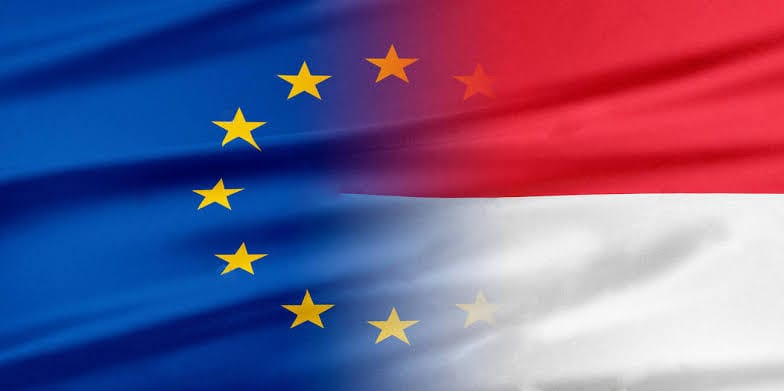
When Indonesia and the European Union finally wrapped up negotiations for the IEU-CEPA in September 2025, headlines focused on numbers—tariff cuts, market openings, and investment flows. Yet behind the talk of trade and economic opportunity lies a deeper, quieter question: What kind of food future do we want for Indonesia?
For Tanah Air Udara (TAU), IEU-CEPA is more than a trade agreement. It is a structural shift that will influence how crops are grown, how landscapes are cared for, and how communities define their relationship with the land. It is a moment of possibility—and caution.
Seeing the Opportunities: When Trade Aligns with Sustainability
One of the most notable aspects of CEPA is its strong sustainability pillar. The EU demands deforestation-free, transparent, climate-friendly products—setting a high bar, but also opening a door.
This means Indonesia has a chance to position itself as a leader in tropical sustainable agrifood systems.
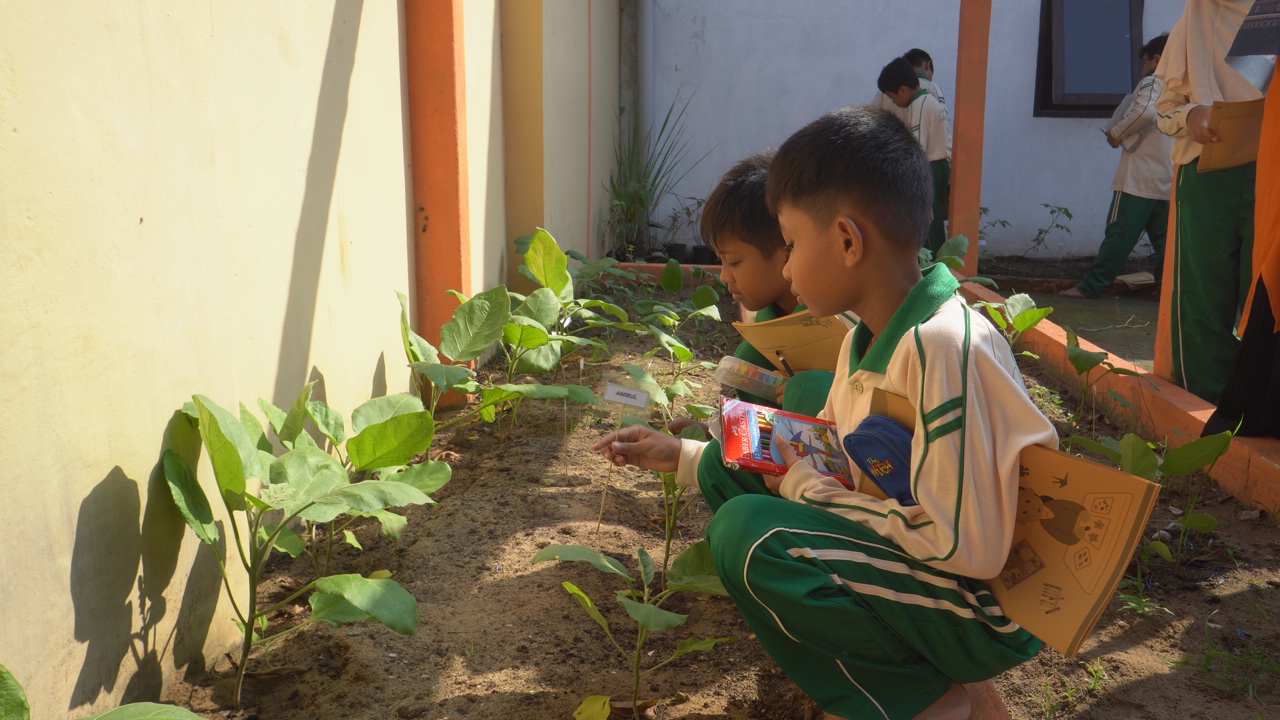
From highland coffee farms to coastal agroforestry, from women-led spice cooperatives to youth-run school gardens, Indonesia’s food landscapes hold immense potential. Tighter standards may actually create more room for value-added products rooted in ecological practices.
For smallholders, women, youth, and Indigenous communities, it can mean higher incomes, better recognition, and fairer access to markets. For TAU, the momentum aligns with its mission: regenerating soil, strengthening ecological wisdom, and nurturing young people who understand food from seed to plate.
But Opportunities Come with Shadows
Trade agreements often promise prosperity, yet the reality on the ground can be lopsided.
Behind the sustainability language, important questions remain:
- Will export expansion trigger new deforestation?
- Can small farmers compete with subsidized European imports?
- Will community voices be heard in policy making?
- And who bears the cost of meeting strict EU traceability requirements?
The palm oil protocol invites dialogue, yet it also revives long-standing tensions about justice, land, and who truly benefits from global value chains. Without strong domestic safeguards, CEPA risks accelerating extraction rather than regeneration.
This is where TAU and civil society must step in—to question, to monitor, and to advocate. It is also where TAU can strengthen youth awareness of ESG (Environmental, Social, and Governance) principles at the heart of the protocol’s implementation—helping young Indonesians understand how environmental integrity, social justice, and accountable governance shape the future of our food and agriculture systems.
Turning CEPA into a Bridge for Transformation
CEPA can be a catalyst for positive systemic change if Indonesia places sustainability—not export volume—at the heart of its implementation. This means:
- strengthening agroecology and regenerative agriculture,
- building and maintaining transparent digital traceability systems,
- supporting cooperatives and community-based enterprises,
- protecting forests, water, and soil,
- ensuring women, youth, and indigenous communities are not sidelined but centered.
For TAU, this represents an invitation to deepen its work—engaging schools and communities, facilitating learning grounded in ecological and ecosystem-based policies, and ensuring that young Indonesians grow up understanding that food systems are not only economic structures but also cultural, ecological, and ethical systems.
Choosing the Path Forward
CEPA has been agreed. But its meaning will be written through practice, not paper.
We can acknowledge it to become simply a tool of market expansion, or we can shape it into a pathway toward a more just, regenerative, and sovereign food future.
The choice lies with us—with policymakers, with communities, and with the organizations that insist that the earth and its people must not be left behind.
No one should be left behind!
Reading source: EU-Indonesia: Text of the agreements