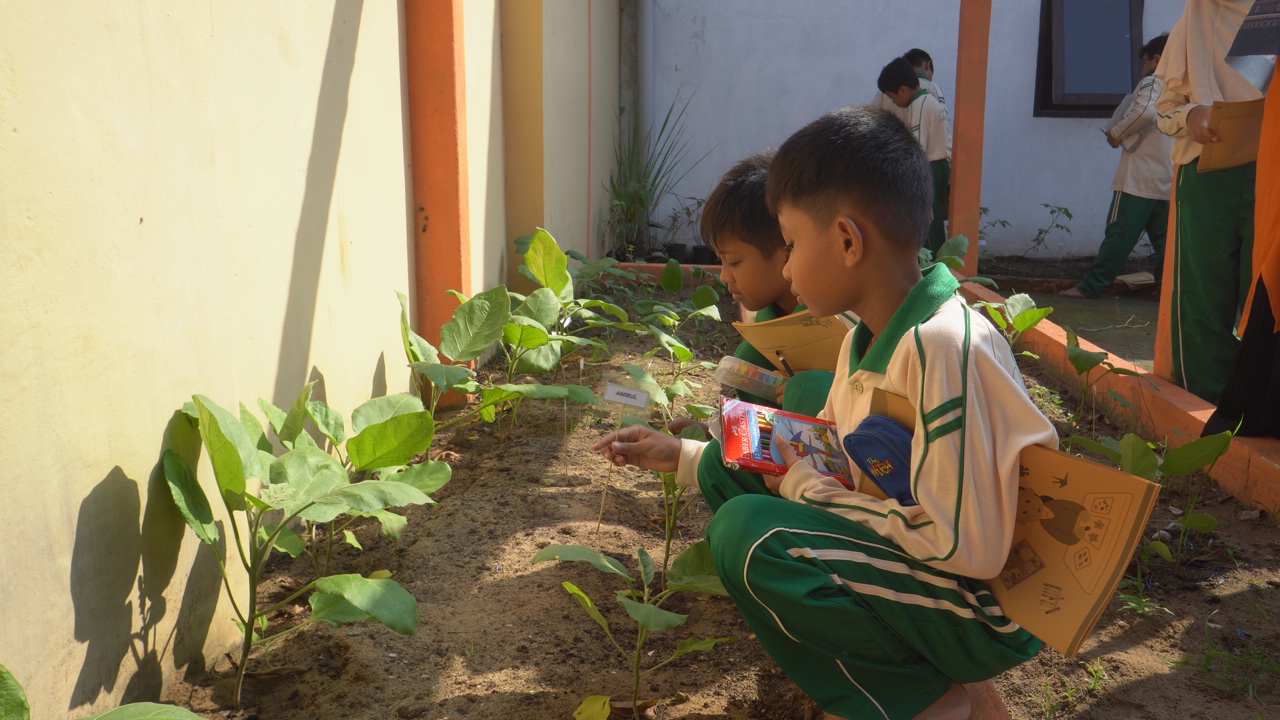
Smart farming with artificial intelligence (AI) provides efficient solutions to today’s agricultural sustainability challenges by improving productivity, reducing resource consumption and waste, and promoting environmentally friendly practices. Integrating AI into modern farming and fishing allows farmers and fishers to optimize their processes in several impactful ways, and how?
Land-based Food Systems (Agriculture)
Land-based food systems face significant sustainability challenges that threaten their ability to produce enough food for a growing population while maintaining environmental balance. These challenges stem from resource depletion, environmental degradation, climate change, and socio-economic factors.
How do smart farming practices help prevent these from happening or worsening?
Precision Agriculture Application: AI helps farmers make data-driven decisions by analyzing soil conditions, weather forecasts, and crop health. Sensors and drones equipped with AI can monitor farm fields in real time, improve yield prediction, and reduce resource excesses.
Accurate Resource Management, e.g. in water conservation and chemical use:
Water Conservation: AI-powered irrigation systems use sensors and weather data to optimize water usage, ensuring crops receive the right amount of water at the right time. This reduces water wastage and helps farmers deal with water scarcity.
Fertilizer and Pesticide Efficiency: analyzed soil conditions and crop health are the suitable basis to apply the precise amount of fertilizer or pesticide needed; hence minimizing chemical use. This reduces pollution from agricultural runoff into waterways, helping protect ecosystems.
Pest and Disease Control: AI algorithms can detect early signs of crop diseases or pest infestations through image recognition and data analysis, allowing timely interventions to protect crops.
Air-based Food Systems (Vertical Farming and Controlled Environments)
AI plays a pivotal role in enhancing these systems by automating processes, improving efficiency, and ensuring sustainability, such as:
Climate Control, where AI manages indoor growing environments in vertical farms or greenhouses by adjusting light, temperature, humidity, and CO2 levels for optimal plant growth. This is particularly useful in urban areas with limited land.
Automation in Growth Cycles. AI can help schedule optimal planting, watering, and harvesting cycles. It even simulates the best conditions for specific crops, maximizing yield per square meter of space.
In vertical farming, AI would help monitor and adjust environmental factors, enabling plants to grow in stacked layers using minimal space. AI-powered sensors collect real-time data on plant health, nutrient levels, and environmental conditions, allowing for precise interventions that maximize yield and reduce resource use. Machine learning algorithms can predict plant growth cycles, optimize energy consumption, and detect early signs of disease or stress, ensuring healthy crops with minimal waste.
In controlled environments, AI helps regulate temperature, humidity, and light, making it possible to grow crops year-round, regardless of external weather conditions. AI-driven automation systems can control irrigation, ventilation, and lighting, creating ideal growing conditions for a variety of crops while minimizing water and energy consumption. By reducing reliance on external environmental factors, AI enhances the resilience and sustainability of food production.
Ultimately, AI in air-based food systems supports higher yields, resource efficiency, and environmental sustainability, aligning with the goals of modern agriculture to produce more food with fewer resources.
Water-based Food Systems (Aquaculture and Fisheries)
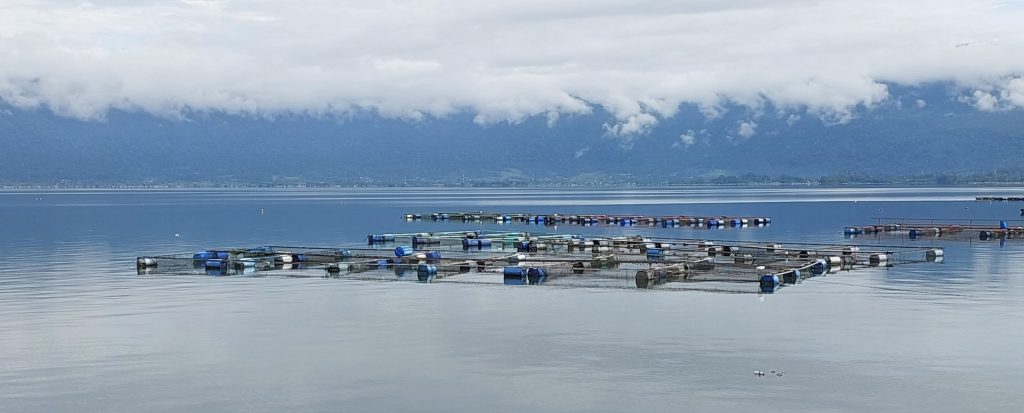
AI is transforming water-based food systems, particularly in aquaculture and fisheries, by utilizing various advanced technologies. These systems rely on the careful management of aquatic environments, and AI has become a key tool in optimizing operations, ensuring environmental health, and meeting the growing demand for seafood and aquaculture products.
How does AI achieve these goals?
Fish Stock Monitoring: AI helps monitor fish populations and their habitats, ensuring sustainable fishing practices. This is achieved through (satellite) data, sonar, and machine learning algorithms that predict fish movement and health.
Aquaculture Automation: In fish farms, AI optimizes feeding schedules, water quality, and waste management. This ensures healthier fish, reduces environmental impact, and increases production.
Marine Conservation: AI supports marine conservation efforts by monitoring ocean conditions, helping reduce overfishing, and managing marine ecosystems to sustain food supplies from the oceans.
Traceability: AI-powered systems enhance traceability, especially in the seafood supply chain, by tracking the origin and journey of seafood products from capture or farming to market. This ensures transparency and accountability, enabling consumers to make informed choices about sustainably sourced products.
Fish Health and Disease Detection: AI is used to analyze fish behavior, appearance, and movement patterns to detect early signs of disease or stress. Image recognition and machine learning algorithms can identify abnormalities in fish, such as changes in color, posture, or swimming patterns, allowing for early intervention and reducing losses.
Reducing Environmental Impact: AI minimizes the environmental impact of aquaculture by reducing water pollution from overfeeding, limiting the use of antibiotics, and preventing waste buildup. In fisheries, AI helps avoid overfishing and protects sensitive marine habitats by guiding sustainable practices.
By leveraging these technologies, AI significantly enhances the overall efficiency, sustainability, and productivity of water-based food systems, helping to meet the global demand for seafood while conserving marine ecosystems.
Conclusion
In short, smart farming with AI fosters sustainable Food Systems by increasing resource efficiency, reducing environmental impact, and promoting long-term food security. Across Land, Air, and Water, AI is a critical tool in enhancing good agriculture and fishing practices, improving sustainability, and helping meet the global demand to feed a growing population while conserving the planet’s resources.
Moreover, when it comes to the broader affairs of the food system, AI plays an equally vital role too, such as:
Sustainable Supply Chain Management
Smart Logistics: By analyzing data on market trends and consumer preferences, AI ensures that crops are grown and distributed in alignment with actual demand, minimizing overproduction and transportation emissions.
Waste Reduction: AI helps optimize food distribution by predicting demand and managing supply chains efficiently. This reduces food spoilage and waste, contributing to the overall sustainability of the agricultural system.
Carbon Footprint Reduction
Lowering Emissions: Precision farming practices enabled by AI reduce fuel consumption and greenhouse gas emissions by optimizing field operations, decreasing the need for heavy machinery use.
Regenerative Agriculture: AI can promote regenerative practices like no-till farming, crop rotation, and cover cropping, which help sequester carbon in the soil and improve soil health.
To sum up, AI supports the entire food value chain—from production and processing to distribution and consumption. It helps optimize supply chains, ensure food safety and traceability, and improve market access for small-scale farmers. Moreover, it helps shape consumer behaviors through personalized nutrition insights. By addressing inefficiencies and providing predictive insights, AI tries to ensure that every stage of the food system is more resilient, adaptable, and capable of responding to challenges, such as climate change, resource scarcity, and shifting consumer demands.
AI contributes to a more sustainable, inclusive, and equitable global food system, which aligns deeply with TAU mission to promote sustainable agriculture and food systems, as well as environmental stewardship. (a.S.)
Let’s collaborate!
and stay connected with us on IG @perkumpulan.tau