Tucked away from the bustle of Bandung lies Kampung Adat Cirendeu, a village deeply committed to preserving its traditions. Located in Leuwigajah, Cimahi City, West Java, this community stands out for its unique food system, which reflects its cultural heritage and historical resilience.
One defining characteristic of Kampung Adat Cirendeu is the community’s reliance on cassava as its staple food, a departure from the Indonesian norm of rice consumption. This decision, shaped by historical circumstances, reflects the village’s philosophy of independence and sustainability.
The historical shift from rice to cassava in Kampung Adat Cirendeu began in the early 20th century, around 1918, when a severe drought caused widespread rice crop failures. The Dutch colonial government worsened the situation by monopolizing the rice supply, making it both scarce and expensive to the villagers. In response, the self-reliant people of Cirendeu turned to cassava, a crop well-suited to the area’s soil and climate. Cassava required little maintenance and could endure the changing weather, making it an ideal alternative.
However, this transition was not solely driven by necessity. The Cirendeu community’s deeper motivation lies in its desire for autonomy. They believed that dependence on a monopolized crop like rice conflicted with their values of self-sufficiency. Cassava, which they could grow and process themselves, became more than just a staple—it symbolized their resistance to external control and their quest for independence.
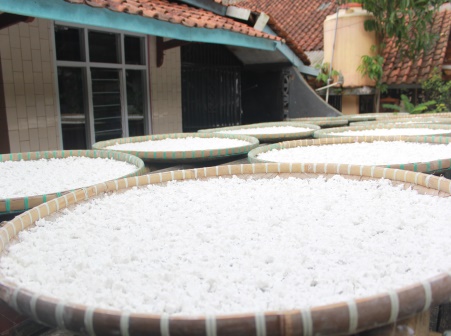
One of the key cassava products still consumed today in Kampung Adat Cirendeu is rasi, a processed cassava that resembles rice. Rasi is made by grating, cutting, drying, and pounding cassava until it takes on a rice-like texture. It is then cooked and eaten with side dishes, much like rice.
In addition to their food resilience, the community’s commitment to environmental conservation is notable. Kampung Adat Cirendeu divides its surrounding forests into three distinct areas, each serving a unique purpose:
- Leuweung Larangan (Forbidden Forest): A protected area where tree-cutting is prohibited, allowing the forest to serve as a natural water reservoir for the community.
- Leuweung Tutupan (Reforestation Forest): Here, the community can harvest trees within the 2-3 ha area, but for every tree cut down, a new one must be planted, ensuring sustainable use of natural resources.
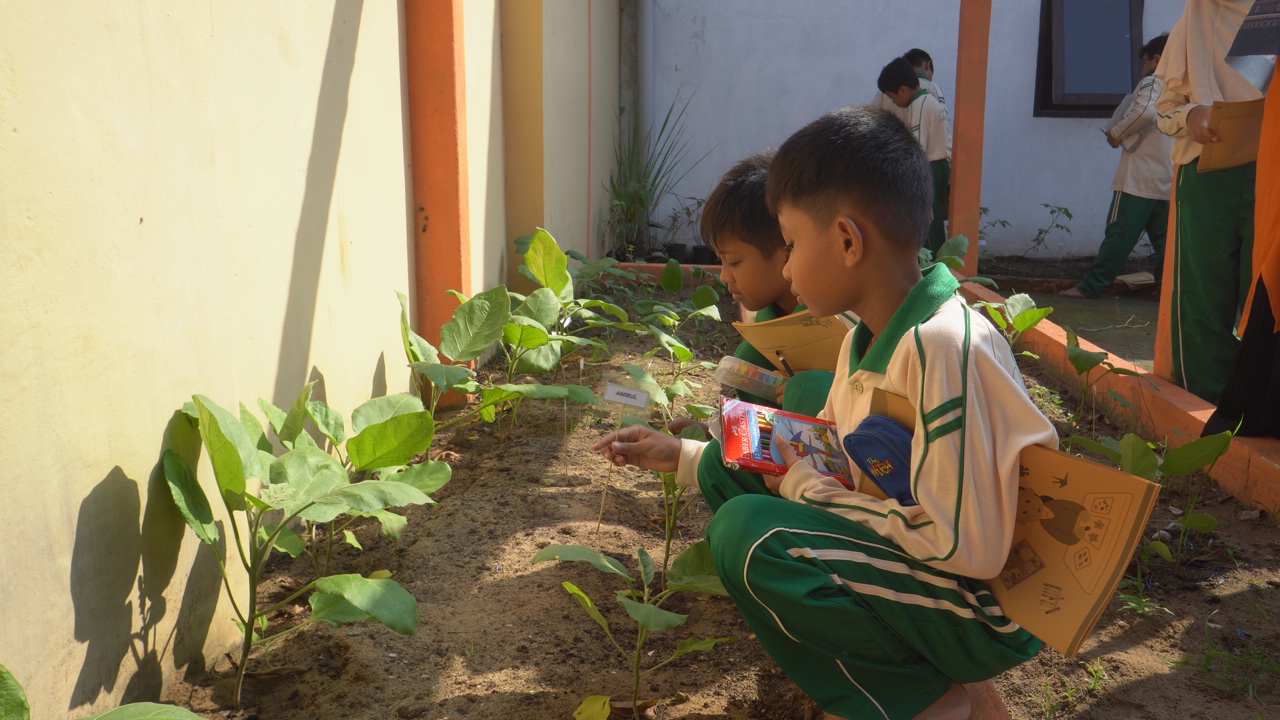
- Leuweung Baladahan (Agricultural Forest): This area is used for farming, where the community cultivates cassava, corn, peanuts, and tubers.
Through this integrated system of food security and environmental stewardship, Kampung Adat Cirendeu showcases the power of local wisdom. Cassava not only fulfils the community’s nutritional needs but also serves as a symbol of independence, sustainability, and a harmonious relationship between humans and nature.