Food Loss and Waste (FLW) are critical global issues that have significant environmental, economic, and social implications. Each year, around one-third of the food produced for human consumption is either lost or wasted, amounting to roughly 1.3 billion tons. This not only squanders valuable resources like water, energy, and labor but also exacerbates food insecurity, contributes to climate change, and undermines the sustainability of food systems.
A study conducted by the Indonesian Ministry of Planning Bappenas in collaboration with several institutions published in July 2022, revealed that between 2000 and 2019, Indonesia generated 23-48 million tons of food waste annually, which amounts to 115-184 kilograms per person each year. This food waste leads to an economic loss of Rp 213-551 trillion per year, equivalent to about 4-5 percent of the country’s annual GDP. Socially, the energy wasted through this discarded food could have fed 61-125 million people per year.
Can we eliminate FLW to help save the environment and support communities?
Saving the Environment and Supporting Communities
Eliminating food loss and waste (FLW) is crucial to protecting the environment and uplifting communities. While it may be challenging to completely eliminate FLW, significantly reducing it is both achievable and essential. Doing so can lead to profound environmental and social benefits.
From an environmental perspective, food waste is a major contributor to climate change. Food that ends up in landfills generates methane, a potent greenhouse gas, and wasting food also means wasting the resources used to produce, transport, and distribute it. Reducing FLW is one of the most effective ways to lower the carbon footprint of food systems. It helps conserve water and energy, reduce deforestation, and mitigate the strain on ecosystems.
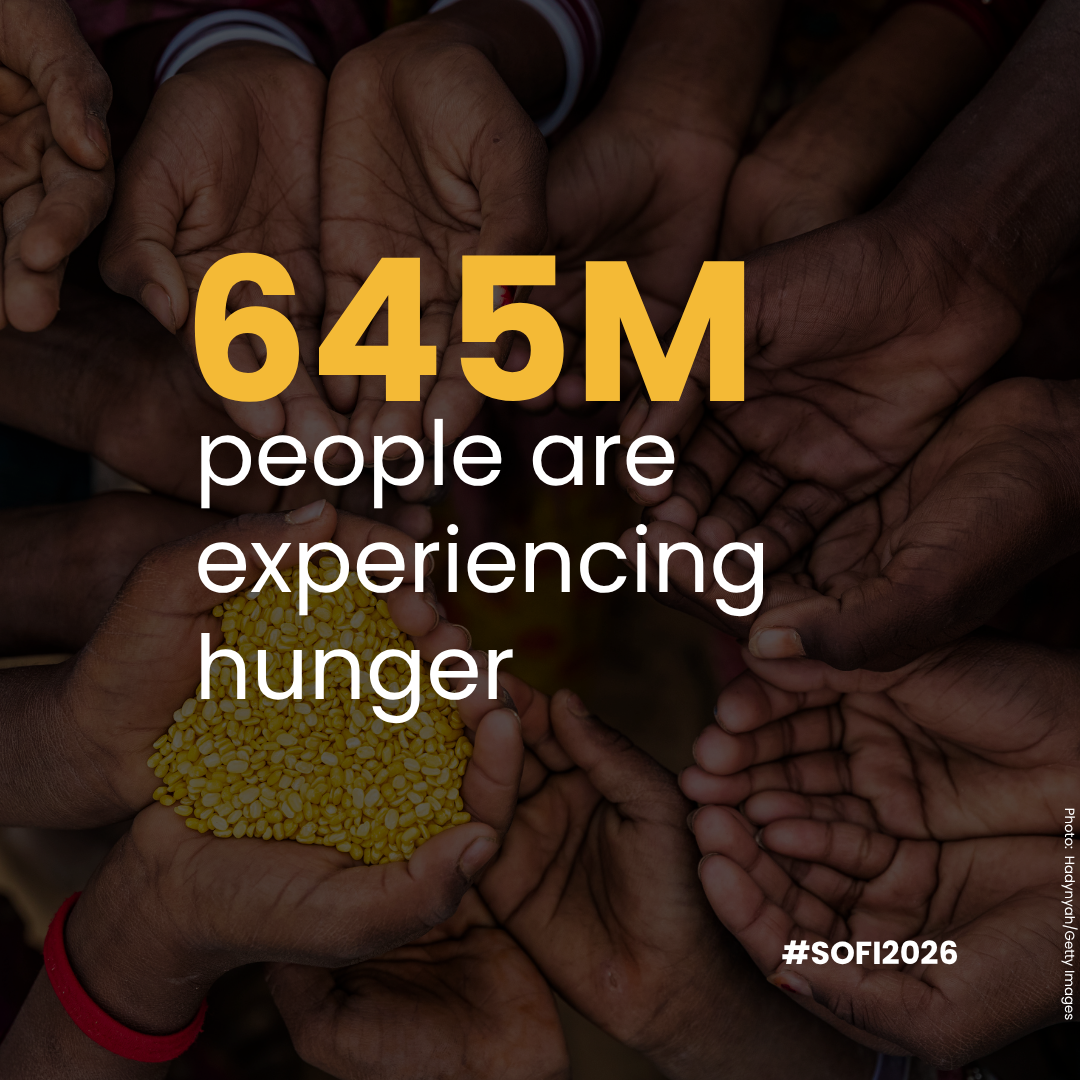
Beyond the environmental impact, addressing FLW can significantly benefit communities. Food loss exacerbates global hunger and food insecurity, yet millions of people go hungry while nutritious food goes to waste. By redistributing surplus food, supporting local food recovery programs, and promoting food banks, communities can ensure that surplus food reaches those who need it most.
What can we do?
Raising Awareness of Food Loss and Waste

Raising awareness of FLW is essential for fostering responsible behavior at every stage of the food supply chain—from production to consumption. This awareness can lead to more conscious food management practices, such as improved harvesting techniques, better storage infrastructure, and more mindful consumer habits. At the consumer level, it encourages people to reduce food waste at home through proper meal planning, better understanding of expiration labels, and utilizing leftovers creatively.
Governments, businesses, and non-profit organizations can play a pivotal role in this by promoting policies, technologies, and educational programs that help reduce food loss and waste. These efforts must be aligned with broader sustainability goals, including climate action, food security, and resource conservation.
Addressing FLW is not only about saving food; it is about ensuring that the food we produce is used efficiently to nourish people, sustain the environment, and support economies. By working together, we can create a more equitable and resilient food systems for future generations.
Conclusion
Eliminating food loss and waste is not just about saving food—it’s about creating a more just, sustainable, and resilient food systems that benefits both the planet and the people. By addressing this issue, we contribute to environmental conservation, improve food security, and build stronger, more supportive communities.
Public awareness campaigns, supportive policies, and technological innovations all have a role to play in the fight against FLW. From improving supply chain efficiency and investing in better storage and transportation, to educating consumers about proper food handling and reducing waste at home, eradicating FLW requires collective action across sectors.
While eliminating food waste entirely may be difficult, concerted efforts by individuals, businesses, governments, and non-profits can make a meaningful impact. Through education, innovation, policy changes, and collaboration, we foster a just and sustainable food systems that benefit both the planet and the community. (a.S.)
TAU is inviting you to collaborate! Let’s do…
Find our campaign against FLW on Instagram @perkumpulan.tau