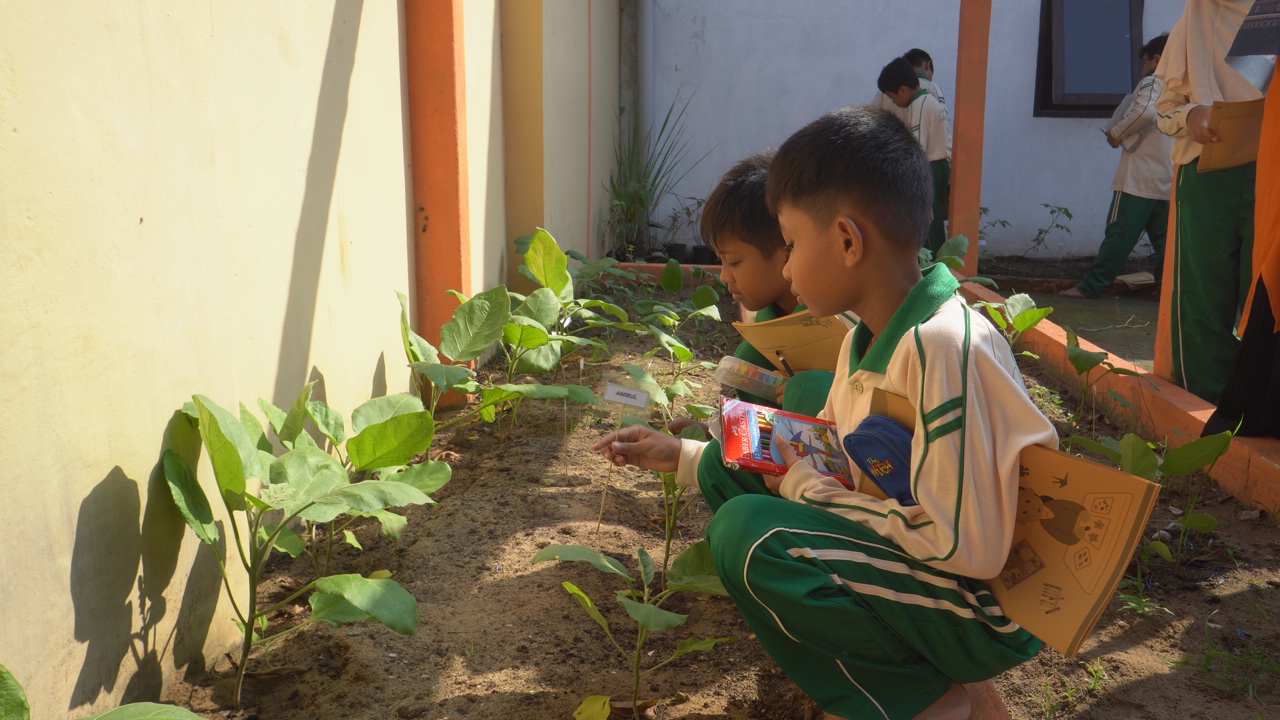
As the world urbanizes at an unprecedented rate, the intersection between habitat and food systems becomes more crucial than ever. World Habitat Day, celebrated annually on the first Monday of October, provides a moment to reflect on the importance of sustainable urban development and how it relates to the food systems that support human life. The theme of habitat is not just about buildings and infrastructure; it’s about the interconnected systems that allow communities to thrive—chief among them, the food systems that nourish cities and towns. However, one key element in shaping the future of both habitats and food systems is often overlooked: an active involvement of youth.
This year, the theme of the World Habitat Day is “Engaging Youth to Create a Better Urban Future”. Youth engagement is essential to creating a better urban future, where sustainable food systems and resilient habitats can coexist. With over half of the world’s population under the age of 30, the ideas, energy, and innovation that young people bring are invaluable in addressing the complex challenges of urbanization, climate change, and food security. Their participation can reshape how cities function, not just as places to live but as hubs of sustainable food production, equitable access, and environmental stewardship.
The Intersection of Habitats and Food Systems
In many parts of the world, rapid expansion of cities has placed immense pressure on agricultural land. Farmland is being converted into urban developments, and long food supply chains have become the norm, leading to increased carbon emissions and food waste. At the same time, rural areas face depopulation, leaving vast landscapes underutilized or depleted. This imbalance not only threatens food security but also exacerbates inequality between urban and rural communities.
To create truly sustainable cities and communities, it is essential to rethink how we produce, distribute, and consume food. Sustainable food systems are those that meet the nutritional needs of people today without compromising the ability of future generations to do the same. They consider the environmental, economic, and social dimensions of food production and consumption, striving to reduce waste, lower greenhouse gas emissions, and create equitable access to nutritious food. To build a truly sustainable urban future, cities need to rethink their food systems—moving toward more localized, efficient, and environmentally friendly approaches. Engaging youth in this process can catalyze the transformation cities need, with fresh perspectives on reducing food waste, promoting urban farming, and advocating for social justice in food distribution.
Urban Agriculture and Youth Innovation
One of the most promising developments in creating sustainable urban food systems is the rise of urban agriculture, where food production takes place within city limits. Young innovators are at the forefront of this movement, leading projects that transform rooftops, vacant lots, and abandoned buildings into productive green spaces. Initiatives like rooftop gardens, vertical farms, and community plots not only reduce the environmental impact of food transportation but also reconnect city dwellers with the process of growing food.
Youth-led organizations and startups are finding creative ways to use technology to grow food in confined urban spaces. For example, vertical farming solutions using hydroponics or aquaponics allow for year-round food production with minimal water and land usage. These innovations offer hope for cities that may otherwise struggle to feed their populations in the face of growing urbanization and climate pressures.
Strengthening Rural-Urban Linkages
While urban agriculture plays a vital role, a sustainable food system also requires strong rural-urban linkages. Youth, particularly in rural areas, can lead the way in adopting sustainable farming techniques that enhance biodiversity, conserve water, and improve soil health. By connecting young rural producers with urban markets, cities can reduce their dependence on imported foods while supporting rural livelihoods.
Youth can also help bridge the gap between rural and urban areas by creating digital platforms that connect farmers directly with consumers, eliminating middlemen and reducing food waste. By embracing technology, young entrepreneurs can streamline supply chains, make them more efficient, and ensure that fresh, local food reaches urban consumers quickly and affordably.
Reducing Food Waste and Promoting Social Justice
Furthermore, food waste reduction plays a significant role in the sustainability equation. Youth are also driving changes in reducing food waste, a major challenge in both developed and developing nations. In many developed nations, a large percentage of food goes to waste, while other parts of the world suffer from malnutrition. New technologies, better storage solutions, and public awareness campaigns are helping to tackle this issue by encouraging more responsible consumption and distribution practices. Young activists are using social media, apps, and community organizations to raise awareness and reduce food waste through creative campaigns, food recovery programs, and food redistribution actions.
At the core of a sustainable food system is the principle of social justice. As we celebrate World Habitat Day, we must recognize that many young people are advocating for social justice in food systems. Food security is not only about the availability of food; it is also about accessibility and ensuring equitable access. Marginalized communities, both in urban slums and rural areas, often face the greatest barriers to accessing healthy food. Tackling these inequalities requires policy changes that prioritize the needs of vulnerable populations, ensuring fair wages for farmers, affordable food prices, and support for smallholder agriculture.
Youth as Drivers of Change Towards a Resilient Future
Engaging youth in the development of sustainable urban habitats and food systems is not just an option—it’s a necessity. Their creativity, tech-savviness, and passion for social and environmental justice make them ideal leaders in the fight for sustainable cities. Governments, organizations, and communities need to actively support and empower young people to take on leadership roles in shaping the future of our cities.
As the global community celebrates World Habitat Day, we are reminded that the future of cities depends on the harmonious integration of sustainable food systems and equitable habitats. By engaging youth, we can build cities that not only provide shelter but also foster food security, environmental sustainability, and social justice. The energy and innovation of young people will be the driving force behind a resilient urban future—one where communities can thrive alongside nature, and everyone has access to the food and resources they need to live healthy, fulfilling lives. In a world facing climate change, population growth, and economic inequality, the path to resilient cities and sustainable food systems is a shared journey. Integrating habitat planning with sustainable food production can create communities where both people and the environment flourish. World Habitat Day reminds us that the health of our cities, our food, and our ecosystems are deeply intertwined—and that a sustainable future depends on the harmony between them, and the youth’s contribution. (a.S.)