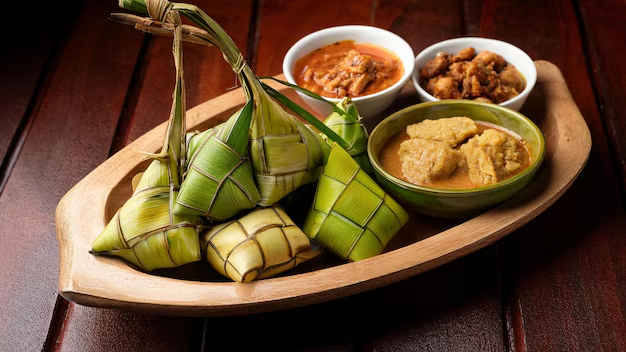
Indonesia, with its diverse archipelago of over 17,000 islands, is home to a wide variety of local foods, each reflecting the rich cultural and ecological diversity of the country. From the highlands of Sumatra to the coastal regions of Nusa Tenggara, local food systems have long sustained communities, shaping both their diets and livelihoods. In recent years, there has been a growing recognition of the vital role that these local food systems can play in strengthening the national food system and enhancing food security.
The Indonesian government has recently issued a Presidential Regulation number 81 of 2024 regarding Acceleration of Food Diversity Based on Local Resource Potential that aims to address the urgency of strengthening national food security through optimizing local resource potential for diversified, balanced, nutritious food consumption. This Initiative is a national effort to enhance the availability and consumption of diverse, balanced, and nutritious food nationwide that is produced, processed, and distributed based on local resources.
As Indonesia strives to meet the demands of a growing population, address climate challenges, and improve nutrition across the nation, integrating local food into the broader national food strategy offers numerous advantages. These include promoting agricultural sustainability, reducing dependence on imports, preserving cultural heritage, and improving nutritional diversity. In this context, Indonesia’s local foods can serve as a cornerstone in building a more resilient and self-reliant food system.
Indonesia’s Rich Local Food Diversity
Indonesia’s local food heritage is a reflection of its diverse landscapes and ethnic communities. Each region has its own distinct crops, traditional farming practices, and culinary traditions, contributing to a vast array of local food products. For instance:
- Sago: Predominantly consumed in eastern Indonesia, particularly in Maluku Islands and Papua, sago is a starch extracted from the pith of the sago palm tree. It serves as a staple food for many indigenous communities and is highly resilient to Indonesia’s varying climate conditions.
- Cassava: Commonly grown in Java and Sumatra, cassava is a versatile root crop used in traditional dishes such as tape (fermented cassava) and gethuk (steamed cassava). It is a drought-resistant crop that thrives in areas with poor soil quality.
- Taro and Sweet Potato: In the highlands of Papua, taro and sweet potato are staple foods that have been cultivated for centuries. These crops are rich in nutrients and well-suited to the region’s high-altitude climate. Likewise, Taro or Talas in Indonesian is intensively cultivated in Banten, West Java, and South Sulawesi provinces, for fresh and processed products.
- Corn: Corn is a major staple in eastern Indonesia, particularly in Nusa Tenggara islands. It is used in various traditional dishes such as jagung bose (corn porridge) and imperative in local diets.
- Pandan Wangi Rice: Known for its unique pandan-like aroma, this specialty rice from Cianjur municipality, West Java, is a prized local variety. It is grown using traditional farming methods and is known for its superior quality and cultural significance.
These local crops, along with many others, are integral to Indonesia’s food diversity. However, their role in the national food system has often been overshadowed by the dominance of rice, which has become the country’s main staple food. As Indonesia moves toward a more sustainable and inclusive food system, there is a growing emphasis on diversifying the national food basket by incorporating these local crops.
Local Food Integration in the National Food System
Presidential Regulation Number 81 of 2024 was issued not long ago to strengthen a resilient national food system and enhance the quality of human resources while utilizing sustainable natural resources. This requires systematic, synergistic, integrated, and coordinated efforts in diversifying food based on local resource potential.
The regulation, signed by President Joko Widodo on August 15, 2024, emphasizes the importance of developing and utilizing local food potential to improve national food security. Key objectives include ensuring diverse food availability, equitable access, promoting a balanced and safe consumption pattern (B2SA), and supporting local food entrepreneurs.
In more detail, the national strategy for accelerating local food integration consists of several key components:
- Strengthening policy and regulatory support for local food development.
- Promoting the production and consumption of local foods.
- Optimizing the use of land, including home gardens.
- Supporting and developing the local food industry, especially small and medium enterprises (SMEs).
- Improving the distribution and marketing reach of local food products.
- Raising awareness about the importance of consuming diverse, nutritious, and safe food (B2SA).
- Encouraging the development of technology and incentive systems for local food businesses.
- Strengthening the economic institutions of farmers, fish cultivators, and fishermen.
The regulation aims to accelerate the integration of local food into the national strategy for a sustainable food system. It mandates various ministries, regional governments, and food industry stakeholders to implement these policies through action plans locally to ensure effective orchestration of food diversification efforts across regions. The target is to achieve a B2SA consumption pattern for a healthy, active, and productive life.
Overall, this regulation represents a significant step toward enhancing Indonesia’s food sovereignty and security by leveraging local resources effectively.
Why Is Local Food Integration Necessary?
- Enhancing Food Security and Resilience
Local food systems are naturally adapted to their environments, making them more resilient to climate change and environmental challenges. For example, sago, cassava, and sweet potatoes can thrive in areas where rice cultivation might struggle due to changing rainfall patterns or poor soil quality. By promoting these resilient crops, Indonesia can diversify its food production, reduce its dependence on rice imports, and create a more stable and secure food system.
- Promoting Sustainability and Reducing Environmental Impact
The cultivation of local crops often relies on traditional, low-input farming techniques that are less damaging to the environment compared to industrial agriculture. These methods, which emphasize biodiversity and minimal chemical use, help maintain soil health, conserve water, and reduce greenhouse gas emissions. Incorporating local foods into the national food system can contribute to more sustainable agricultural practices, reduce deforestation, and limit the environmental impact of food production.
- Preserving Cultural Heritage and Culinary Traditions
Indonesia’s local food systems are deeply intertwined with its cultural heritage. Each region’s food traditions tell stories of history, adaptation, and community. By promoting local foods, Indonesia can preserve its rich cultural diversity and culinary traditions, ensuring that these time-honored practices are passed down to future generations. Moreover, the global interest in food tourism offers an opportunity for local foods to become an economic driver attracting both domestic and international tourists.
- Improving Nutrition and Dietary Diversity
Indonesia’s heavy reliance on rice as the primary staple food has contributed to a lack of dietary diversity, resulting in nutritional deficiencies such as stunting and malnutrition, particularly in rural areas. Many local foods, such as cassava, sweet potatoes, and taro, are rich in essential nutrients like fiber, vitamins, and minerals. By promoting the consumption of a wider variety of local foods, Indonesia can improve the nutritional quality of diets across the country, addressing malnutrition and promoting healthier communities.
- Empowering Local Farmers and Strengthening Rural Economies
Integrating local foods into the national food system can provide economic benefits to smallholder farmers, who are often the primary producers of these crops. By creating stronger market demand for local food products, Indonesia can help boost the incomes of rural communities and reduce poverty. Initiatives that support local farmers through access to markets, agricultural training, and improved infrastructure can further empower these communities and enhance their role in the national food system.
Challenges to Local Food Integration
Despite the potential benefits, several challenges must be addressed to successfully integrate local food into Indonesia’s national food system:
- Market Access: Many local food producers struggle to access national and international markets. Limited infrastructure, lack of storage facilities, and poor transportation networks in rural areas often hinder the distribution of local food products even within one big region of neighboring provinces. Developing better market access and value chains for local crops and fisheries is critical for their integration into the national food system.
- Consumer Preferences: Indonesian consumers have become accustomed to rice as their primary staple. Shifting these preferences to include more local foods potential requires educational campaigns that highlight the nutritional and environmental benefits of local crops and fisheries. Promoting the consumption of local foods through school meal programs, public awareness campaigns, and partnerships with restaurants and food stalls can help diversify and transform consumer habits over time.
- Policy Support: Government policies play a crucial role in promoting local food consumption and integration. While there are initiatives such as Pangan Lestari (Sustainable Food), there is a need for more robust policies that support local food production, consumption and innovation, provide incentives for sustainable farming, and protect the rights of smallholder farmers. Policymakers should focus on creating and stimulating a regulatory environment that encourages local food production and consumption.
More equitable and inclusive Food System
Indonesia’s local food systems are a vital part of the nation’s agricultural landscape and cultural heritage. As the country faces the twin challenges of feeding a growing population and addressing climate change, local foods offer a path toward greater food security, sustainability, and resilience. By integrating local foods into the national food system, Indonesia can diversify its agricultural production, diversify and innovate its local food dishes, and create a more equitable and inclusive national food system.
Empowering smallholder farmers, promoting traditional food crops and fisheries, and fostering a national appreciation for Indonesia’s local foods can contribute to a healthier, more sustainable future for all Indonesians. As Indonesia continues to develop its food policies and strategies, the role of local foods must remain at the forefront of efforts to build a resilient and self-sufficient national food system. Presidential Regulation number 81 Year 2024 (in Bahasa Indonesia) is available here: Peraturan Presiden Nomor 81 Tahun 2024 (a.S.)
For more engaging and informative stories about food systems, agriculture, the environment, and more, please follow @perkumpulan.tau on Instagram!