In the face of rapid urbanization, soil degradation, and the urgent need for more sustainable food systems, growing food without soil is no longer just an experiment—it’s a necessity. Across the globe, innovators and farmers alike are turning to alternative planting media to cultivate crops in unconventional environments—from rooftops to containers, from vertical farms to disaster-prone zones.
At Tanah Air Udara (TAU), we believe in embracing resilient, accessible, and regenerative solutions for food production. This article explores the most promising soil-free planting media and their benefits in building a sustainable agri-food future.
🌱 Why Look Beyond Soil?
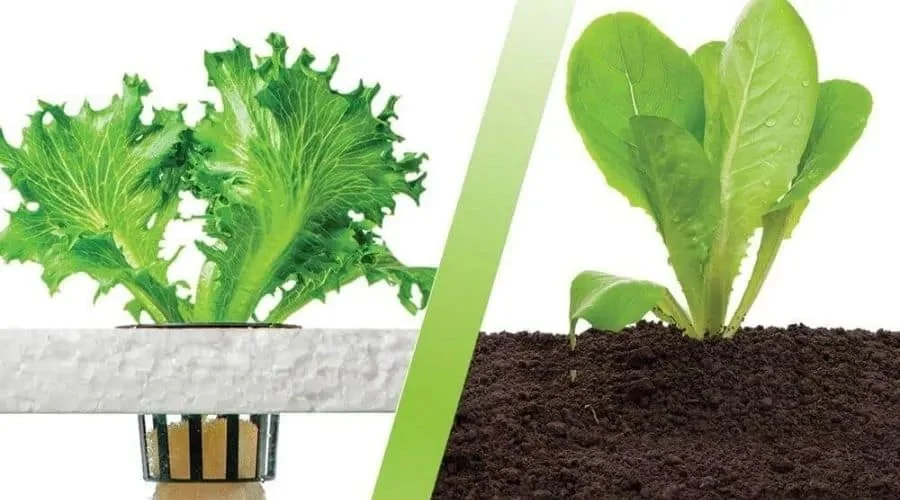
Healthy soil is the foundation of agriculture. But today, much of our farmland is under threat from erosion, chemical overuse, climate extremes, and urban sprawl. For those working in cities, post-disaster regions, or with limited access to fertile land, soilless media offer a way to grow food efficiently, sustainably, and close to where it’s consumed.
🌿 Top Alternatives to Soil in Agriculture
1. Cocopeat (Coir Pith)
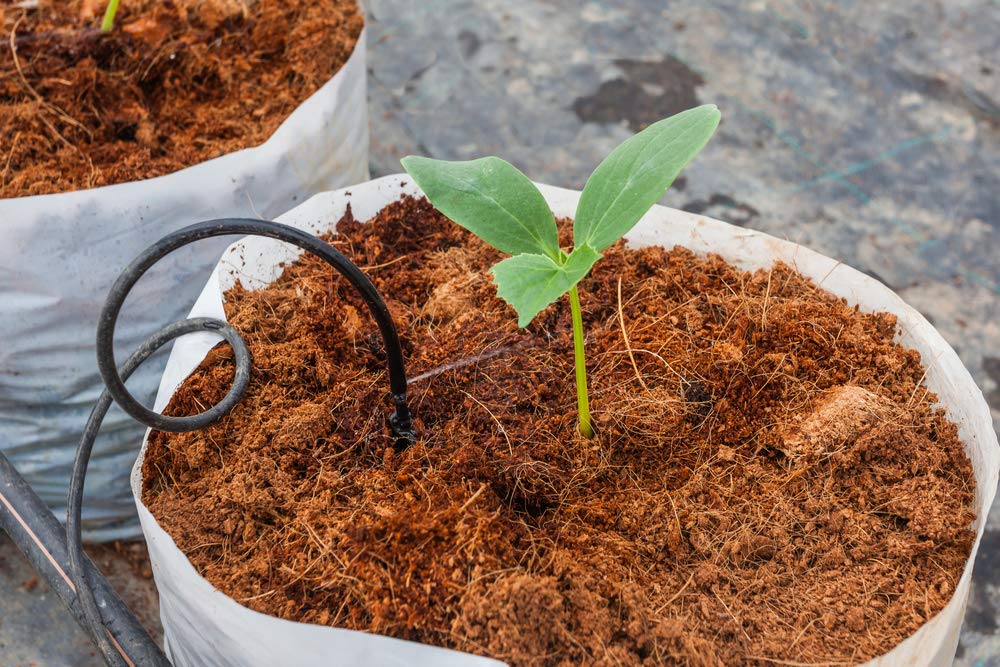
Made from the husk of coconuts, cocopeat is an organic and sustainable option, especially popular in Southeast Asia. It has high water retention and good aeration, making it ideal for seedlings and hydroponic systems.
Best for: Vegetables, herbs, nursery use
Pros: Renewable, light, pH neutral, compostable
Considerations: Requires proper buffering to remove excess salts
2. Hydroponics (Nutrient Solutions with Inert Media)
Hydroponics replaces soil with a nutrient-rich water solution. Plants grow in systems supported by inert media like perlite, rockwool, clay pebbles, or even rice husk charcoal.
Best for: Leafy greens, tomatoes, strawberries
Pros: Fast growth, efficient nutrient use, no weeding
Considerations: Requires infrastructure, electricity, and nutrient management

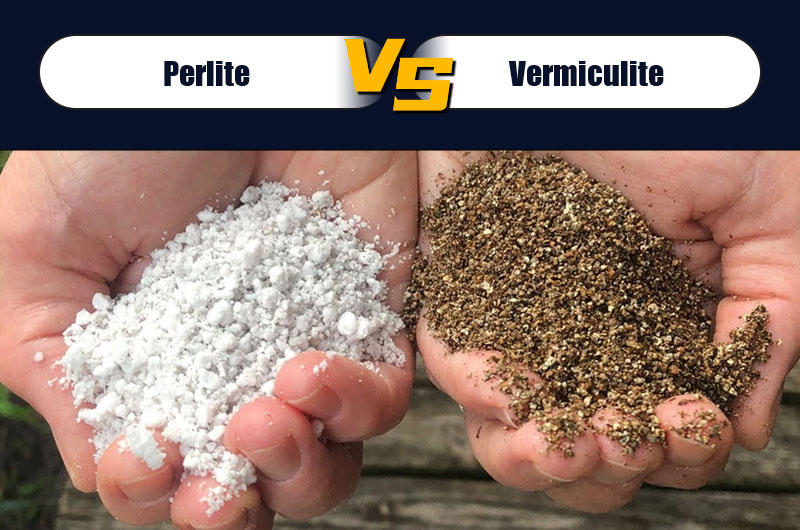
3. Vermiculite and Perlite
These are lightweight, naturally occurring minerals expanded by heat. They provide excellent drainage and aeration and are often used in seed-starting mixes.
Best for: Seed germination, potting mixes, indoor gardens
Pros: Sterile, stable, reusable
Considerations: Non-renewable; should be recycled and used with care
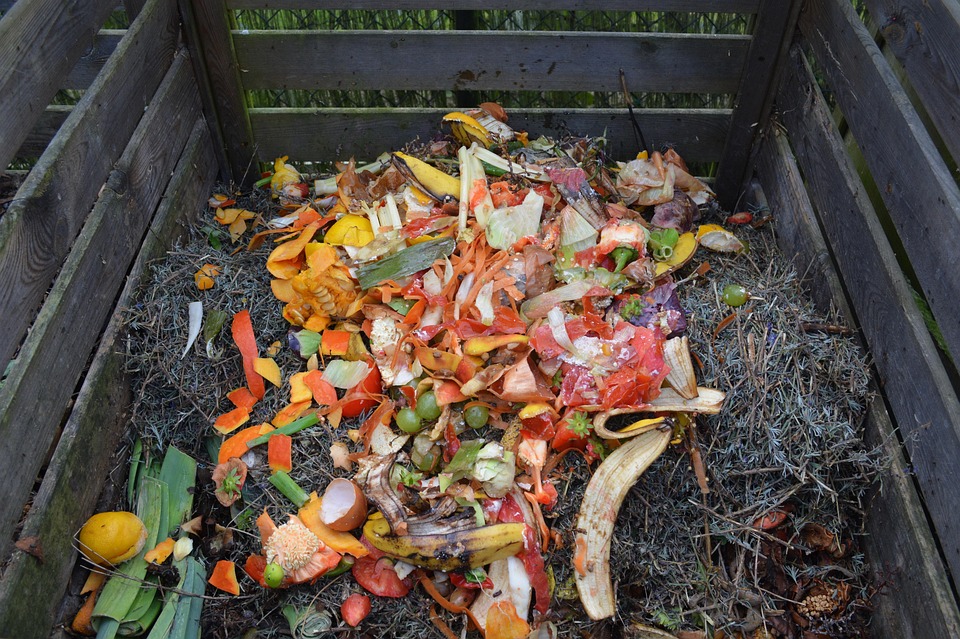
4. Compost and Organic Matter Mixes
Blending composted plant material, manure, or food waste with coconut coir or other organic materials creates a rich, living medium—great for regenerative urban farming.
Best for: Raised beds, rooftop gardens, regenerative food production
Pros: Boosts microbial life, circular economy model
Considerations: Heavier and bulkier than other media; requires composting infrastructure
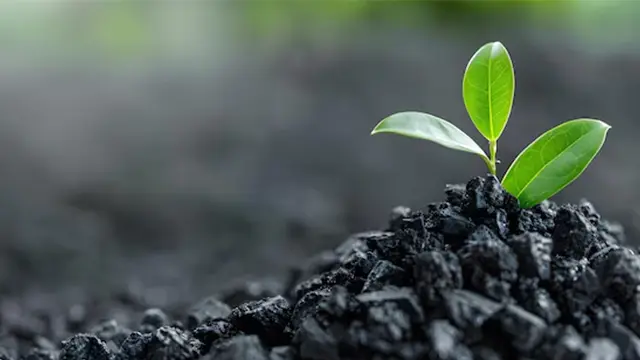
5. Biochar-Based Substrates
Biochar is a form of charcoal made from plant waste. When combined with compost or coir, it improves water retention and carbon sequestration in soilless systems.
Best for: Arid regions, degraded land revitalization
Pros: Long-term carbon storage, microbial habitat
Considerations: Needs proper activation; locally sourced biochar is ideal
🌾 TAU Promotes Beyond-Soil Media
At Tanah Air Udara, we work with youth, community growers, and regenerative practitioners to test and promote growing media that are:
- Locally available
- Affordable
- Climate resilient
- Non-extractive
In urban settings, cocopeat-based hydroponic systems are ideal for rooftop gardens. In remote or post-disaster areas, biochar-organic blends offer a locally producible solution. TAU is happy to foster collaborative networks around beyond-soil agrifood production—while upholding the values of care, justice, and regeneration.
🌍 Call to Action
Whether you’re an urban gardener, a young farmer, or a climate resilience advocate, exploring these alternatives brings us one step closer to a future where food is grown with ingenuity, with justice, and with the planet in mind. (a.S.)
“The move away from traditional soil-based agriculture doesn’t mean abandoning nature—it means adapting intelligently. By using alternative media, we can reduce pressure on land and conventional farms, cultivate food in challenging environments, and build more inclusive, resilient, and sustainable agri-food ecosystems.”
Follow us on Instagram: @perkumpulan.tau