Staying healthy starts with what’s on your plate, and Indonesia’s Ministry of Health has a simple yet effective guideline to help you: “Isi Piringku” (My Plate). Introduced in 2017 as an update to the traditional “Four Healthy, Five Perfect” concept, this initiative encourages Indonesians to adopt a balanced diet in their daily meals.
What Is “Isi Piringku”?

“Isi Piringku” is a visual guide that divides your plate into four portions, each representing a key food group. Here’s how to fill your plate:
- Half of your plate: Vegetables and Fruits
- Vegetables (35%): Rich in fiber, vitamins, and minerals, vegetables should take up the largest portion of your plate.
- Fruits (15%): Sweet and refreshing, fruits provide essential vitamins like vitamin C and natural sugars for energy.
- Half of your plate: Carbohydrates and Protein
- Carbohydrates (35%): Think rice, potatoes, or noodles—these are your main source of energy. The Ministry encourages whole grains and unprocessed carbs for better health.
- Proteins (15%): Include lean meats, fish, tofu, tempeh, or eggs to help build and repair your body.
Key Points to Remember
In addition to the balanced portions, “Isi Piringku” emphasizes:
- Hydration: Drink at least 8 glasses of water daily.
- Limited Sugar, Salt, and Fat: Keep sugar under 50g, salt under 5g, and fat under 67g per day.
- Exercise: Stay active for at least 30 minutes a day.
Why “Isi Piringku” Matters
With rising rates of obesity and lifestyle-related diseases like diabetes and hypertension in Indonesia, “Isi Piringku” helps promote a culture of balanced eating. By focusing on portion control and food variety with the country’s culinary traditions, it empowers families to make smarter and healthier food choices.
Making “Isi Piringku” Your Own
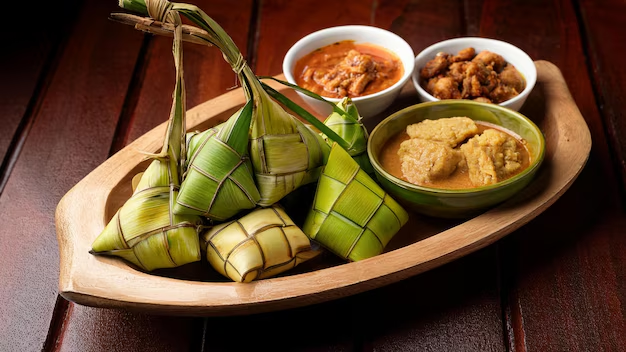
“Isi Piringku” is adaptable to local tastes and traditions. Adopting “Isi Piringku” doesn’t mean giving up on the food you love—it’s about making thoughtful adjustments to create balance on your plate. Whether you enjoy soto, nasi liwet, or gado-gado, the guideline can help you create a balanced plate that suits your preferences. By following “Isi Piringku,” Indonesians can embrace a healthier lifestyle—one plate at a time.
So, what’s on your plate today?

Local Menu Ideas for “Isi Piringku”
One of the best things about “Isi Piringku” is its flexibility—it can easily be adapted to Indonesia’s rich culinary heritage. Here are some examples:
- Breakfast:
- Vegetables: A serving of sautéed spinach (tumis bayam) or fresh cucumber slices.
- Fruits: A few slices of papaya or banana (pisang raja).
- Carbohydrates: Steamed rice or corn porridge (bubur jagung).
- Proteins: Grilled fish (ikan bakar) or fried tempeh (tempe goreng).
- Lunch:
- Vegetables: A bowl of sayur asem or boiled greens (lalapan).
- Fruits: A slice of watermelon or fresh guava (jambu biji).
- Carbohydrates: Nasi uduk or boiled cassava (singkong rebus).
- Proteins: Grilled chicken (ayam bakar) or spicy boiled eggs (telur balado).
- Dinner:
- Vegetables: A serving of stir-fried water spinach (kangkung tumis) or soup with vegetables (sup sayur).
- Fruits: A handful of fresh mangosteens (manggis) or oranges (jeruk).
- Carbohydrates: Steamed sago (sagu kukus) or nasi merah (red rice).
- Proteins: Fried tofu (tahu goreng) or shredded beef (abon sapi).
Reading Source:
Isi Piringku Leaflet: Kemenkes Leaflet Isi Piringku Isi Piringku, Easy Ways to Meet Balanced Nutrition for Teenagers: kemdikbud.go.id – isi-piringku-cara-mudah-memenuhi-gizi-seimbang-bagi-remaja
(a.S.)