Sago, derived from the pith of the sago palm (Metroxylon sagu), stands as a significant pillar of Indonesia’s food civilization. This ancient staple predates rice in many communities across the archipelago, particularly in regions such as Papua, Maluku, and Sulawesi. Beyond its nutritional value, sago embodies cultural identity and sustainable food practices integral to the societies.
A Sustainable Superfood Rooted in Tradition

Sago has long served as the dietary foundation for communities inhabiting Indonesia’s eastern regions. Traditional dishes such as papeda (a sago porridge often paired with fish and vegetables) and sinonggi (a sago-based delicacy from Southeast Sulawesi) reflect the deep connection between sago and local culinary heritage. These foods not only fulfill nutritional needs but also symbolize communal bonds, frequently shared during ceremonies and feasts.
Sago’s cultivation aligns with sustainable principles, requiring minimal inputs and thriving in swampy, waterlogged environments unsuitable for other crops. The palm regenerates naturally and can be harvested without depleting the land, making it an environmentally friendly alternative to other staples like rice or wheat. Moreover, its high starch content and gluten-free properties position it as a valuable resource in addressing global food security and dietary diversification.
Culinary Delights from Sago: Exploring Indonesia’s Heritage

Celebrated for its adaptability and nutritional value, sago has been transformed into a variety of dishes that reflect the creativity and cultural richness of the archipelago. From savory staples to sweet treats, these dishes demonstrate the enduring significance of sago in Indonesian food culture.
- Papeda: The Iconic Sago Porridge
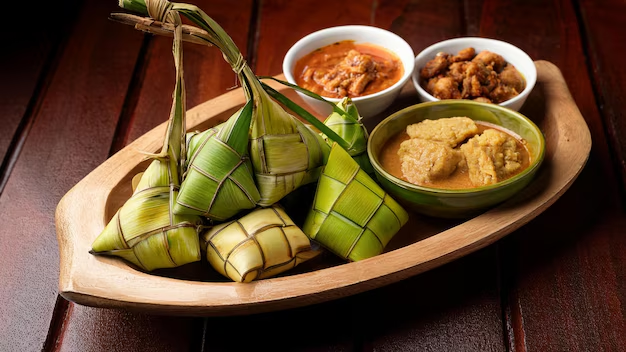
Papeda is perhaps the most well-known dish made from sago, particularly in Papua and Maluku. This gelatinous porridge is prepared by stirring sago starch with boiling water until it thickens into a translucent, sticky consistency. Often served with ikan kuah kuning (a turmeric-based fish soup) and a side of vegetables, papeda is a nutritious, gluten-free staple that showcases sago’s role as a dietary cornerstone in eastern Indonesia.
- Sinonggi: A Southeast Sulawesi Delicacy
Sinonggi, a traditional dish of the Tolaki people in Southeast Sulawesi, is another sago-based porridge. It is typically accompanied by rich coconut milk-based fish or meat dishes, with a variety of fresh or cooked greens. Like papeda, sinonggi is prepared by mixing sago starch with hot water, creating a smooth, pliable texture. This dish is a symbol of communal dining and cultural identity.
- Sago Snacks: From Crackers to Cakes
Sago is also a key ingredient in many Indonesian snacks:
- Sago Crackers (Kerupuk Sagu): These crispy treats are popular in Maluku and Papua, often flavored with spices or dried fish for added taste.
- Sago Lempeng: A type of flatbread or cracker made from sago flour, often paired with tea or coffee for a light breakfast or snack.
- Bagea: A crumbly, mildly sweet cookie made with sago flour and flavored with spices like cinnamon and nutmeg. Bagea is a favorite treat in Maluku and is often served during special occasions.
- Sago-Based Desserts
Sago is also widely used in Indonesian desserts, adding unique textures and flavors to sweet dishes:
- Bubur Sagu Mutiara: A sago pearl pudding made with coconut milk and palm sugar, offering a rich and creamy taste.
- Sago Lapis: A layered sago cake made by steaming alternating layers of sago starch mixed with vibrant natural food colorings, creating a visually striking and delightful dessert.
- Kue Sagu Keju: A modern twist on traditional sago cookies, these are enriched with cheese, creating a unique sweet-savory flavor combination popular during festive seasons.
- Sago Noodles and Contemporary Innovations
Innovative uses of sago have led to the creation of sago-based noodles, which are gaining popularity as a gluten-free alternative in various dishes. These noodles retain sago’s signature chewy texture and work well in soups, stir-fries, or salads.
Revitalizing Indonesia’s Sago Civilization
Despite its historical and ecological importance, sago has been overshadowed by rice as Indonesia’s dominant staple. Limited commercialization and shifting dietary preferences threaten its traditional role. However, growing global interest in alternative and sustainable food sources presents a unique opportunity to revitalize sago. Modern innovations in food processing and product development—such as sago noodles, snacks, and gluten-free flour—can bridge the gap between traditional practices and contemporary consumer demands.
To ensure the continued relevance of sago, efforts must focus on integrating it into modern food systems while preserving traditional knowledge. This includes promoting education, research, and investment in sago farming and processing. By introducing sago-based dishes to broader audiences through culinary tourism and innovative recipes, Indonesia can spotlight this ancient ingredient as a versatile, sustainable, and delicious part of its food civilization.
Sago is more than just a food; it represents Indonesia’s ingenuity in harmonizing with nature—a legacy worth preserving and sharing with the world. Whether as a daily staple or a festive treat, sago remains a testament to Indonesia’s culinary ingenuity and cultural richness, a heritage to be cherished and shared with the world. (a.S.)
Follow @perkumpulan.tau on Instagram for more information about food systems, agriculture, and environment.