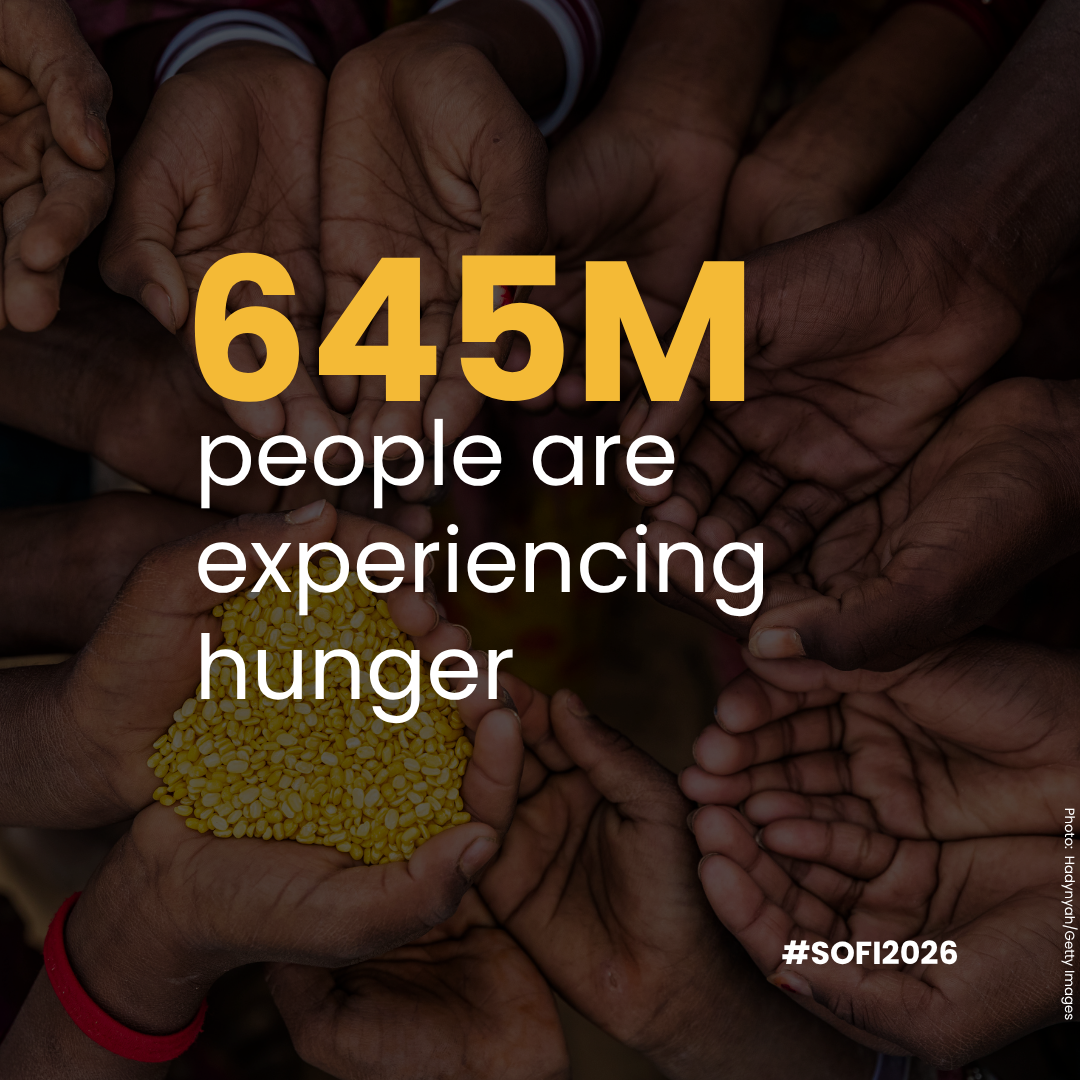
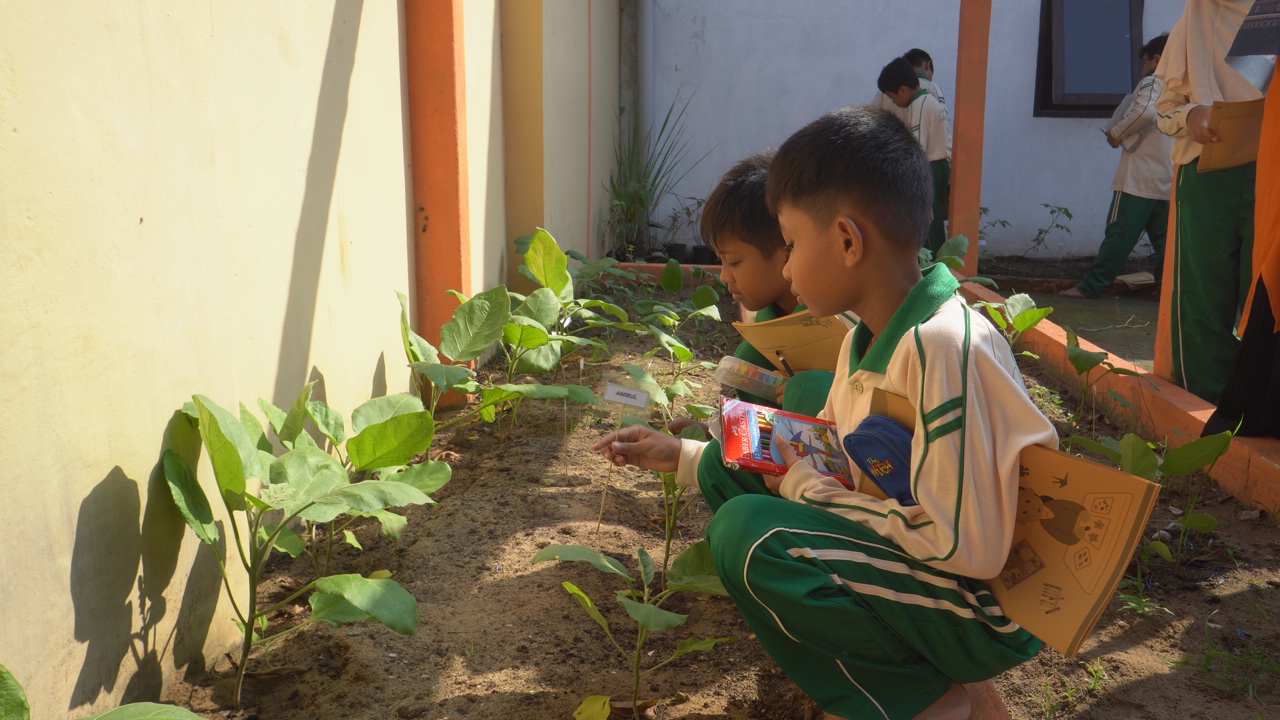
Antimicrobial resistance (AMR) is not just a medical challenge—it’s a pressing, multisectoral issue threatening food systems, livelihoods, and economies worldwide. While it directly affects animal health, its ripple effects disrupt food production, compromise food security, and put the livelihoods of millions of farmers at risk.
Why AMR Matters in Agriculture and Food Systems

Agriculture lies at the heart of our food systems, encompassing diverse activities like crop cultivation, livestock farming, and aquaculture. Antimicrobials, especially antibiotics, have been indispensable in these systems to maintain animal health, boost productivity, and ensure food safety.
However, the rise of AMR undermines these benefits, jeopardizing decades of progress in food production and public health. Resistant infections can spread from farms to humans, creating a vicious cycle of foodborne illness and diminished efficacy of critical medicines. In low-income regions, where regulatory frameworks are weaker, AMR amplifies vulnerabilities, pushing millions into poverty, hunger, and malnutrition.
Antimicrobial Resistance (AMR) in the Food Chain: A Global Challenge
AMR arises when microorganisms evolve to resist treatments, rendering once-effective antimicrobials powerless. In the food chain, this resistance poses immediate threats to workers and consumers while creating long-term risks for global health, food systems, and economies.
AMR directly undermines progress toward the Sustainable Development Goals (SDGs), including those aimed at ending poverty, eradicating hunger, and improving health. Additionally, AMR exacerbates climate challenges by promoting unsustainable agricultural practices, making it both a food security and environmental issue.
From Farm to Plate: The Bigger Picture
The impact of AMR extends far beyond food safety—it threatens public health, destabilizes agricultural productivity, and affects the livelihoods of millions globally. Farmers and workers face greater risks, while consumers grapple with reduced food safety and quality. Left unchecked, AMR has the potential to deepen socioeconomic inequalities and destabilize food systems worldwide.
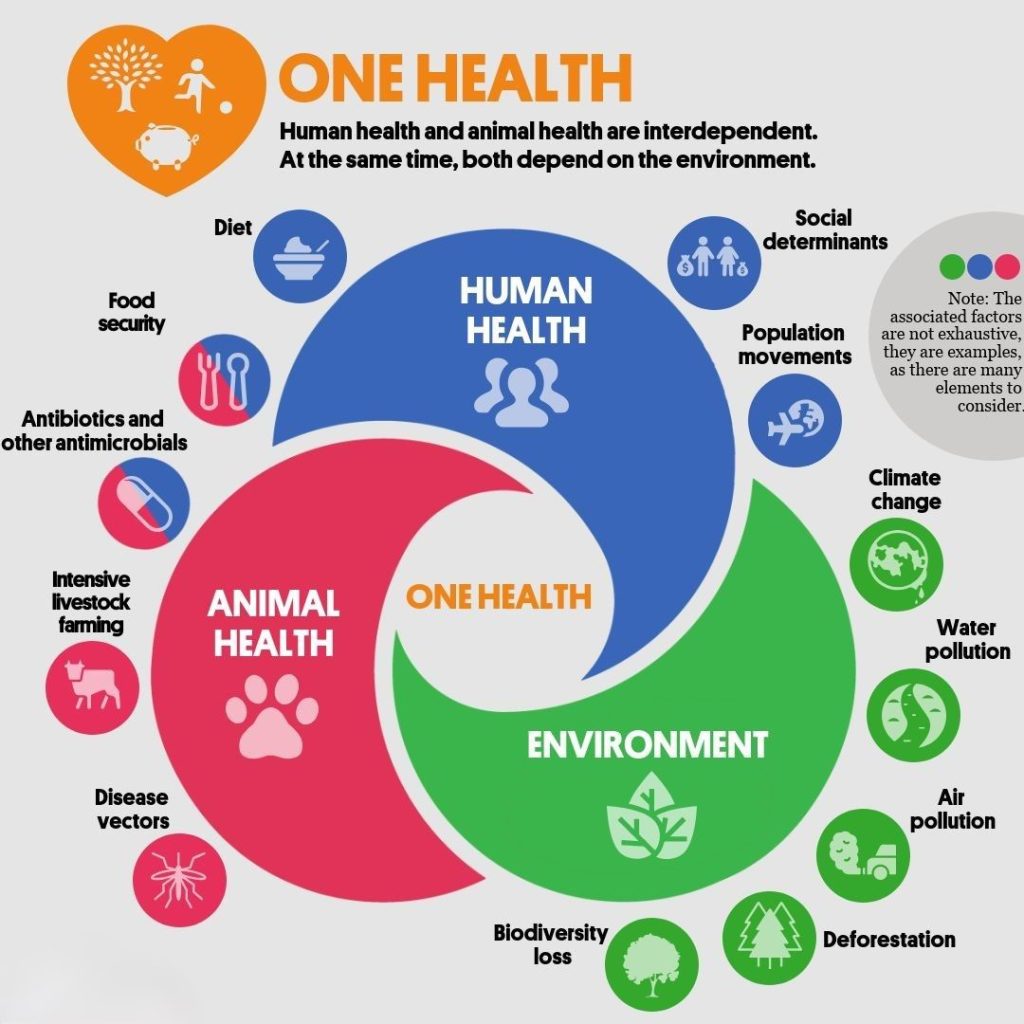
Tackling AMR requires a holistic, “One Health” approach, integrating efforts across agriculture, healthcare, and environmental sectors. Collaborative, cross-sectoral action is essential to safeguard public health, secure food systems, and build a sustainable future.
Act Now to Combat AMR
The time to act is now. Addressing AMR is not just about protecting food safety—it’s about protecting livelihoods, ensuring global health, and advancing sustainability. Join us in raising awareness, advocating for responsible antimicrobial use, and driving meaningful change for a healthier, more equitable future.
Together with TAU, let’s educate, advocate, and act to tackle AMR from farm to plate. (a.S.)
Follow our official Instagram account at @perkumpulan.tau for more exciting information!