September arrives in Indonesia as a threshold month. The monsoon winds shift, the land breathes differently, and with it, our food system adapts. Farmers, fishers, traders, and families all feel the pulse of the season.
In many parts of the archipelago, September used to mark the end of the long dry season. For rice farmers, fields begin to be prepared for the next cycle of planting. The cracked earth of Java’s paddies awaits the first nourishing rains. In eastern Indonesia, where the dry season lasts longer, communities must still stretch their food reserves carefully—an annual test of endurance and resilience.
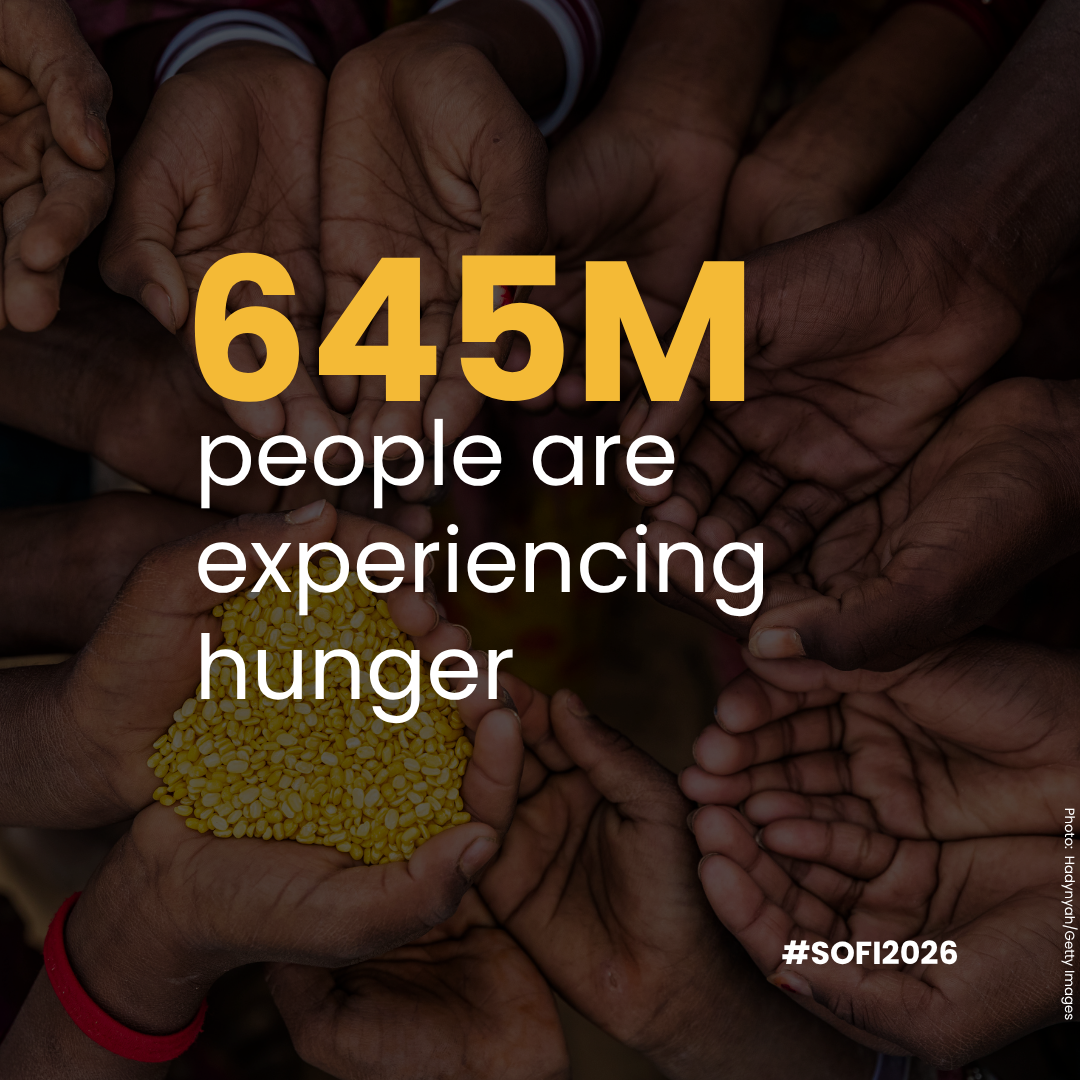
Markets reflect this seasonal rhythm. Fruits like rambutan, longan (or duku, in local language), and mangosteen begin to appear, signaling abundance after months of scarcity. Meanwhile, prices of staples such as rice and chili can fluctuate sharply, often becoming a source of anxiety for households and policymakers alike.
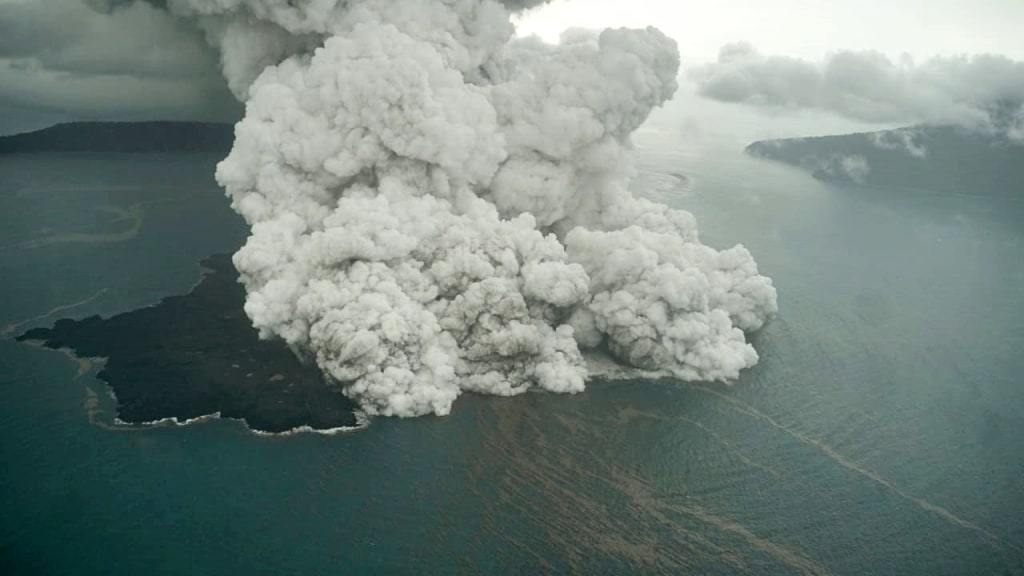
But September is more than just a marker of scarcity or plenty—it is a reminder of how closely Indonesia’s food system is tied to climate, geography, and time. Traditionally, farmers could rely on the predictability of the monsoon: rains arriving in November, harvests in April or May. Now, climate change is rewriting these calendars. Rains may come late or too early. Extended droughts stress rice production in Java and Nusa Tenggara, while sudden floods destroy crops in Sumatra and Kalimantan. Warmer seas disrupt fishing patterns, forcing coastal communities to adapt or risk losing their livelihoods.
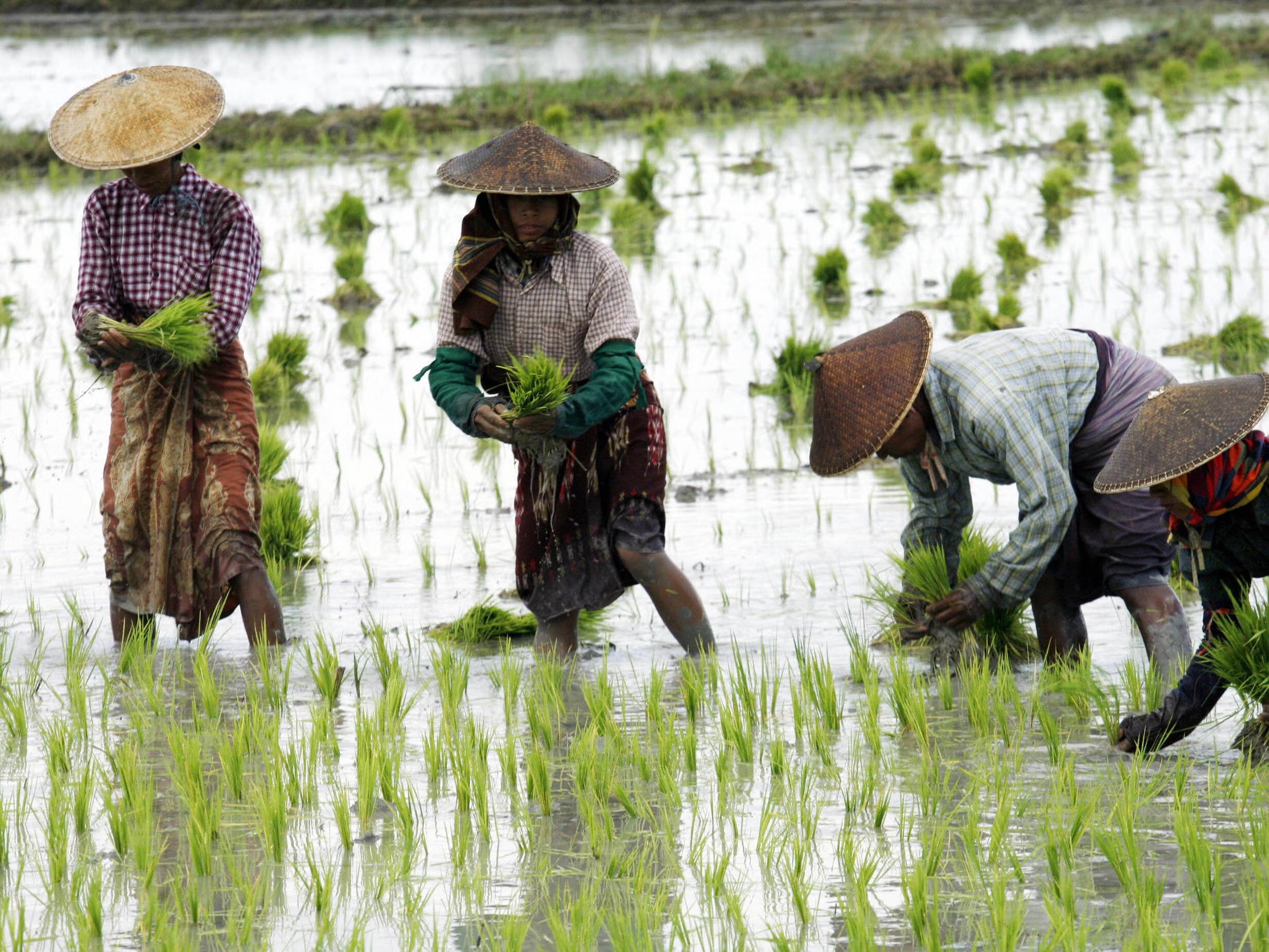
These shifts have deep consequences. When rains are delayed, planting is postponed, leading to shortages and price spikes. When floods arrive unexpectedly, entire harvests can be lost. Climate change turns what was once a familiar rhythm of seasons into a landscape of uncertainty.
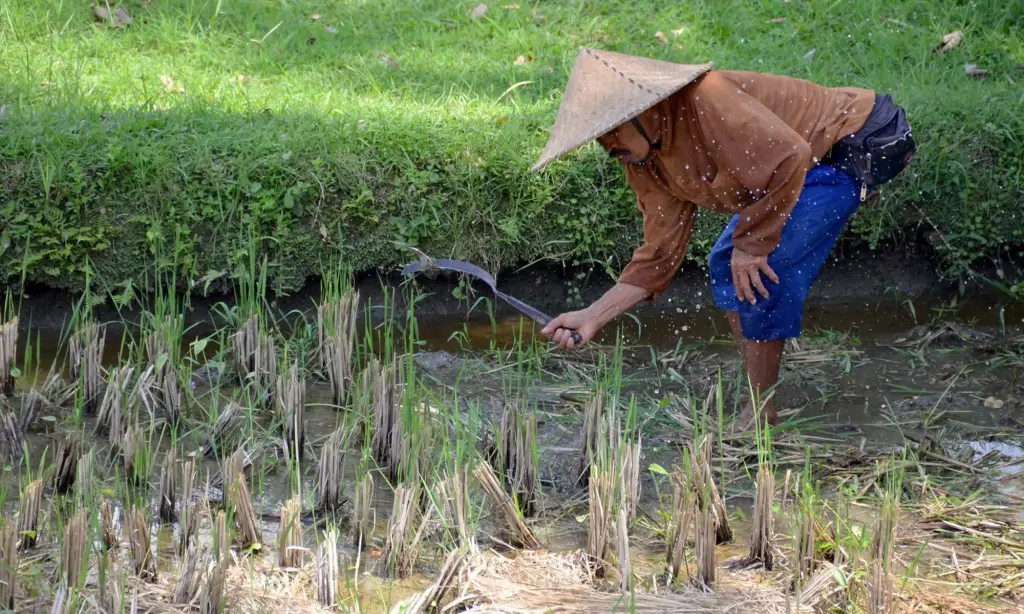
In the wider context of food systems transformation, September invites reflection. The challenge is clear: we must find ways to strengthen food security while respecting ecological limits. That means supporting farmers with better access to climate-resilient seeds and water management systems, ensuring fair prices in local markets, and investing in sustainable practices that can withstand the unpredictability of the seasons.
Here, women and youth are central actors. Women farmers and traders often carry the burden of managing household food security, stretching limited supplies to feed families through times of scarcity. Yet they are also innovators—experimenting with seed varieties, leading home-garden movements, and running small-scale food businesses that keep local economies alive. Empowering women with access to land, credit, and decision-making power is not just equity—it is a strategy for resilience.
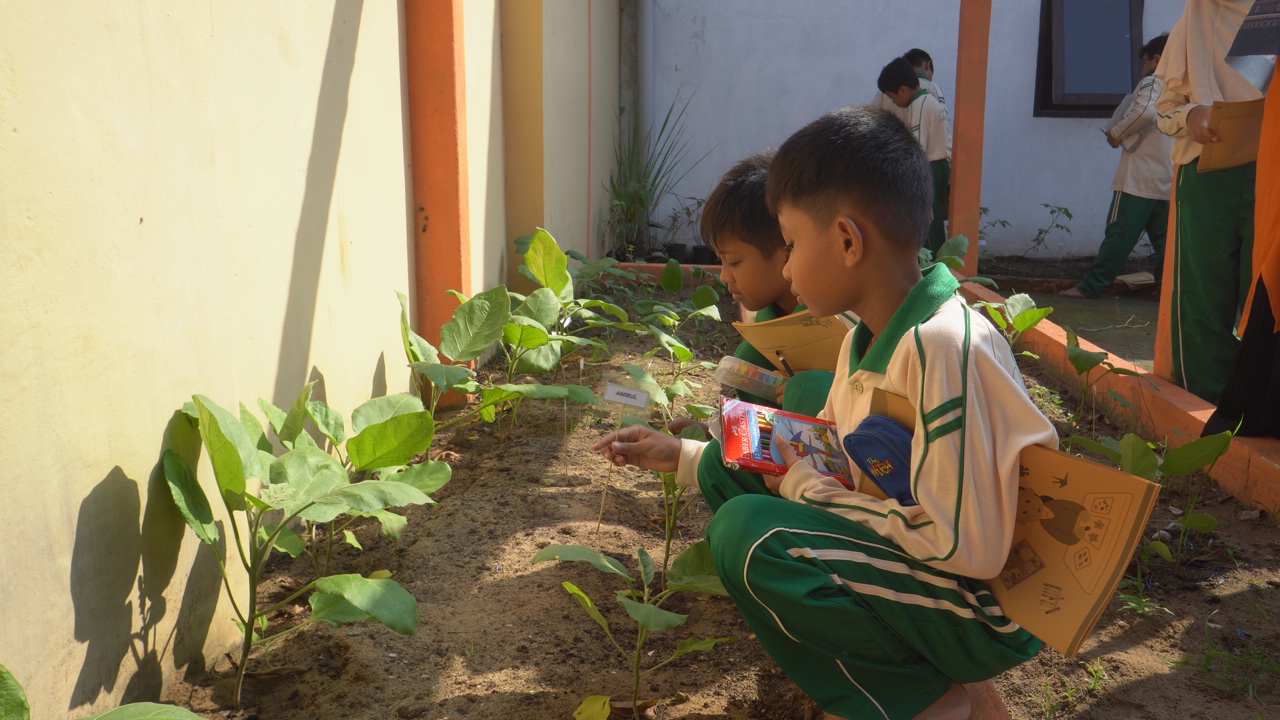
Youth, meanwhile, bring fresh energy and new ideas into the food system. Across Indonesia, young people are experimenting with agroecology, hydroponics, aquaculture, and digital farming platforms. Many are also reclaiming pride in local food traditions while adapting them to modern challenges. Supporting youth with training, mentorship, and access to technology ensures that the next generation can lead the transition to a more sustainable and climate-smart food future.
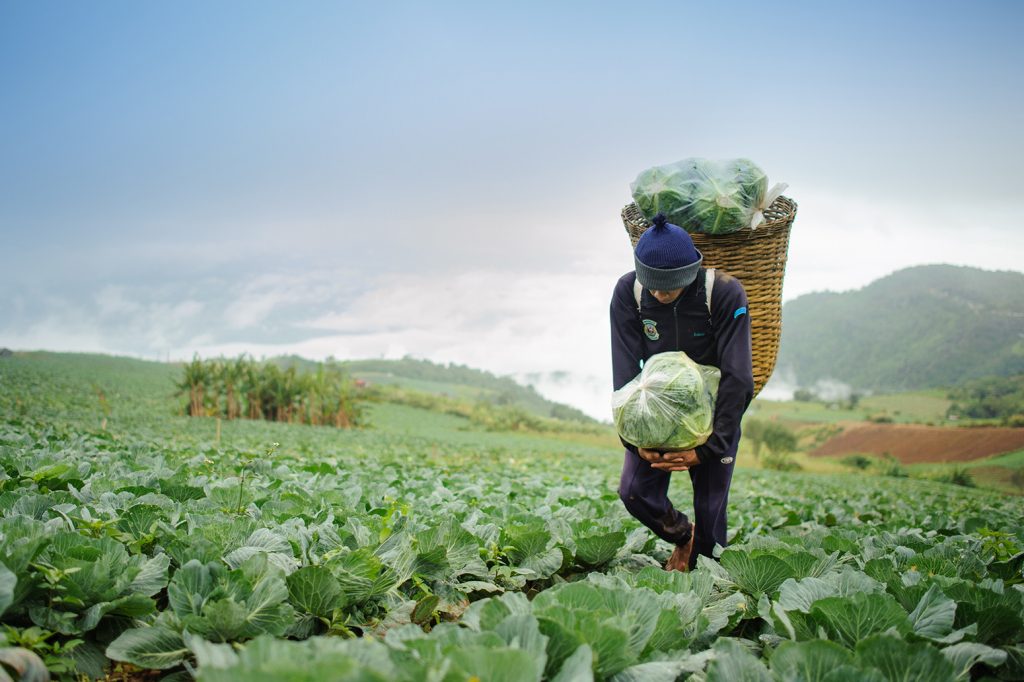
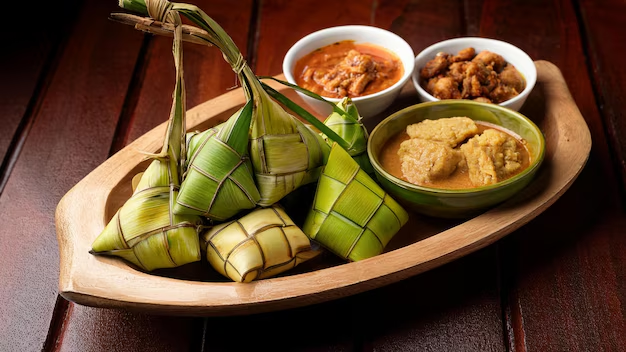
September, then, is not just a season—it is a lesson. A lesson in resilience, in paying attention to the signals of the earth, and in preparing collectively for the uncertainties ahead. As Indonesians, our food is more than sustenance. It is identity, dignity, and the story of survival across generations.
This month, as the winds change and the first rains begin to fall, let us remember that strengthening our food system is not only about feeding ourselves today—it is about ensuring that future Septembers still carry the taste of abundance, resilience, and hope. And that future will be shaped most of all by the hands and hearts of women and youth who are already cultivating the seeds of change.
“At Tanah Air Udara (TAU), we believe the future of Indonesia’s food system rests in the courage of its women and the creativity of its youth—together, they are the roots of resilience that will nourish our Tanah Air for generations to come.”
Learn more at tanahairudara.org and follow us on Instagram @perkumpulan.tau