Indonesia, a global biodiversity hotspot, harbors a wealth of endemic tree species found nowhere else on Earth. Spread across its 17,000 islands, these trees are not just pillars of ecological balance but also keystones of indigenous culture and global conservation efforts. Their preservation is intricately tied to the lives of Indonesia’s indigenous peoples and international agreements like the Convention on International Trade in Endangered Species of Wild Fauna and Flora (CITES).
The Richness of Indonesian Endemic Trees
Indonesia’s unique geography and climate have nurtured a variety of iconic endemic trees, each holding immense ecological, cultural, and economic value. Below are five of the most notable examples:
- Ulin (Eusideroxylon zwageri)
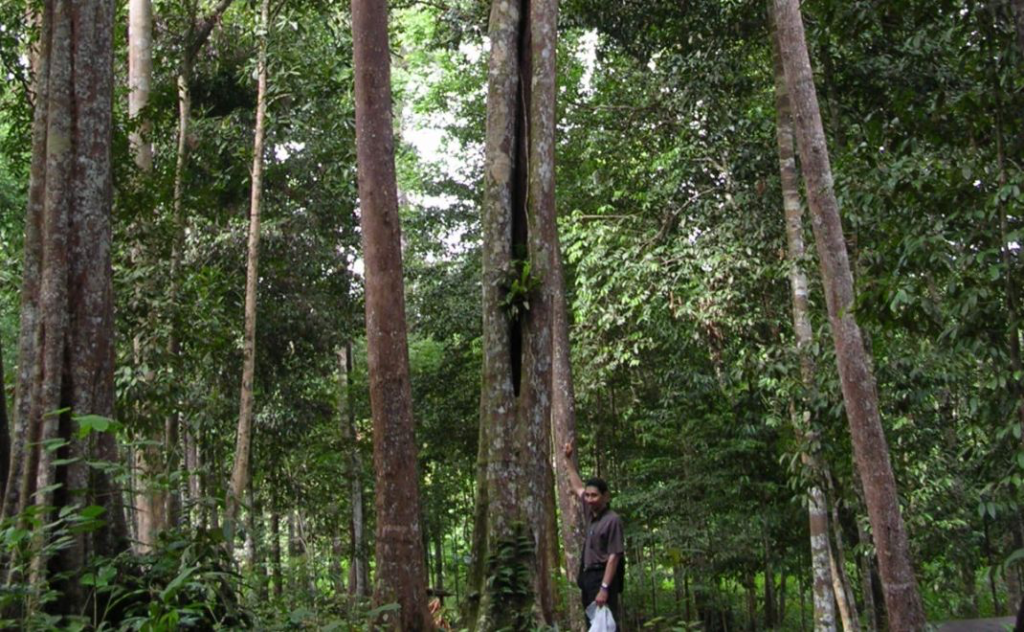
Known as Bornean ironwood, Ulin is a towering tree native to Kalimantan and Sumatra. Renowned for its incredibly durable and termite-resistant timber, Ulin has been a cornerstone of traditional Dayak architecture, used in longhouses and ceremonial structures.
The Dayak communities, guardians of the forests, have long practiced adat laws (customary laws) to regulate the harvesting of Ulin, ensuring its sustainable use. However, illegal logging and rampant deforestation have severely reduced Ulin populations, pushing the species toward near-extinction. Recognizing its precarious status, Ulin is now listed under CITES Appendix II, which regulates its trade to prevent exploitation.
- Mahogany (Swietenia spp.)
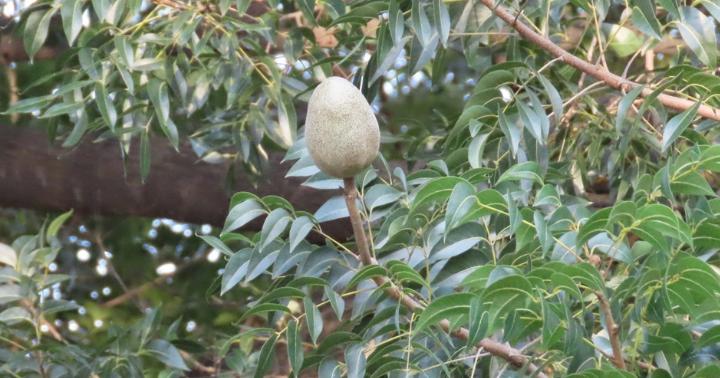
While not exclusive to Indonesia, mahogany has become a vital part of the nation’s forestry. Found primarily in Java, this hardwood tree is prized for its deep red timber, used in furniture and construction. However, native Indonesian mahogany varieties, such as Toona sureni (also known as Surian), are smaller but ecologically significant. Indigenous communities use Surian not only for timber but also for traditional medicine and reforestation initiatives.
- Ramin (Gonystylus spp.)
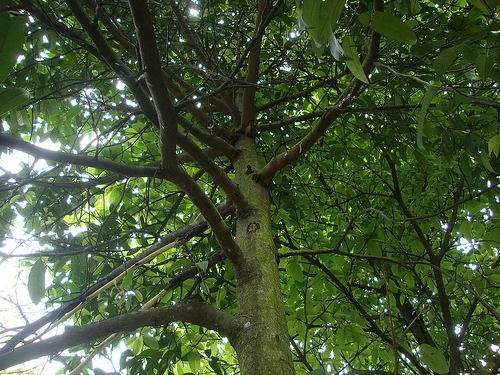
Ramin is a valuable timber tree endemic to the peat swamp forests of Kalimantan and Sumatra. Its fine-grained wood is widely used in making furniture, decorative items, and even baby cribs.
Ramin’s survival, however, is closely tied to the health of Indonesia’s peatlands, which are rapidly disappearing due to drainage and conversion to palm oil plantations. Its overexploitation has led to the inclusion of several Ramin species under CITES Appendix II, requiring strict regulation of international trade.
- Eboni (Diospyros celebica)
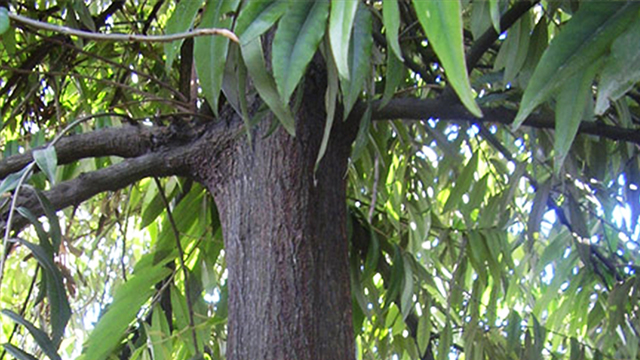
Native to Sulawesi, the Eboni tree is celebrated for its dense, dark wood, which is used in crafting luxury furniture, musical instruments, and intricate carvings. For the Toraja people of Sulawesi, Eboni holds cultural significance, often used in traditional ceremonial structures and decorative carvings.
Unfortunately, excessive logging has critically endangered the species, leading to its inclusion under CITES Appendix II. Conservation efforts focus on promoting sustainable harvesting practices and restoring degraded lands with native Eboni seedlings.
- Cendana (Santalum album)
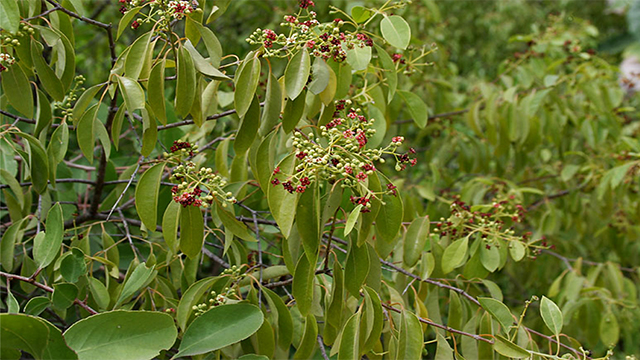
Cendana, or sandalwood, originates from East Nusa Tenggara, particularly the islands of Timor and Sumba. For centuries, this aromatic tree has been a symbol of wealth, status, and spirituality. Indigenous Timorese communities incorporate Cendana into rituals, traditional medicines, and as a source of livelihood.
The colonial era and subsequent overharvesting caused a drastic decline in wild sandalwood populations. Today, sustainable cultivation and international regulations under CITES Appendix II aim to protect this species, while local governments work to revive its presence in community forests.
- Gaharu (Aquilaria spp.)
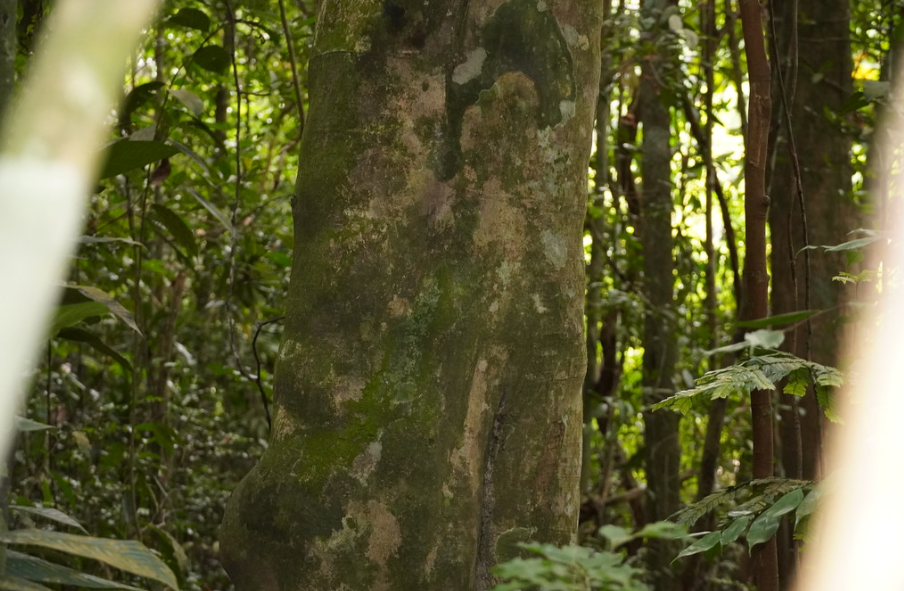
Commonly known as agarwood, Gaharu is a resin-producing tree native to Indonesia’s forests, especially in Kalimantan, Sumatra, and Papua. The resin, formed in response to fungal infections, is highly valued for its use in perfumes, incense, and traditional medicines across Asia and the Middle East.
For centuries, indigenous communities have sustainably harvested Gaharu, viewing the tree as a gift of the forest. However, illegal harvesting and habitat destruction have threatened its survival. Certain species of Aquilaria are now listed under CITES Appendix II, and efforts are underway to promote plantation-grown agarwood to reduce pressure on wild population.
Indigenous Peoples as Forest Stewards
For Indonesia’s indigenous peoples, endemic trees are more than resources—they are sacred and central to their way of life. Many indigenous groups, such as the Dayak, Toraja, and Timorese, have developed intricate ecological knowledge systems to sustainably manage forests for generations. This stewardship extends beyond the trees themselves, encompassing the entire forest ecosystem.
Indigenous adat laws often regulate the use of forest resources, ensuring balance and renewal. For example, the Dayak practice rotational farming and protect certain forest areas, including Ulin groves, as sacred lands. These practices are vital for conservation but are increasingly threatened by external pressures like land conversion, mining, and deforestation.
CITES and Global Conservation Efforts
Indonesia is a signatory to the Convention on International Trade in Endangered Species of Wild Fauna and Flora (CITES), which seeks to ensure that international trade does not threaten the survival of endangered species. Many endemic Indonesian trees, such as Ulin, Eboni, and certain Meranti species, are protected under CITES regulations.
Under these protections:
- Trade in listed species is monitored and controlled to prevent overexploitation.
- Export permits are issued only when it is demonstrated that trade does not harm the species’ survival.
- Collaborative efforts between Indonesia and international partners promote sustainable forest management.
Despite these safeguards, illegal logging and weak enforcement remain significant challenges. Strengthening local governance and integrating indigenous knowledge into conservation strategies are critical to improving outcomes.
Challenges and Opportunities
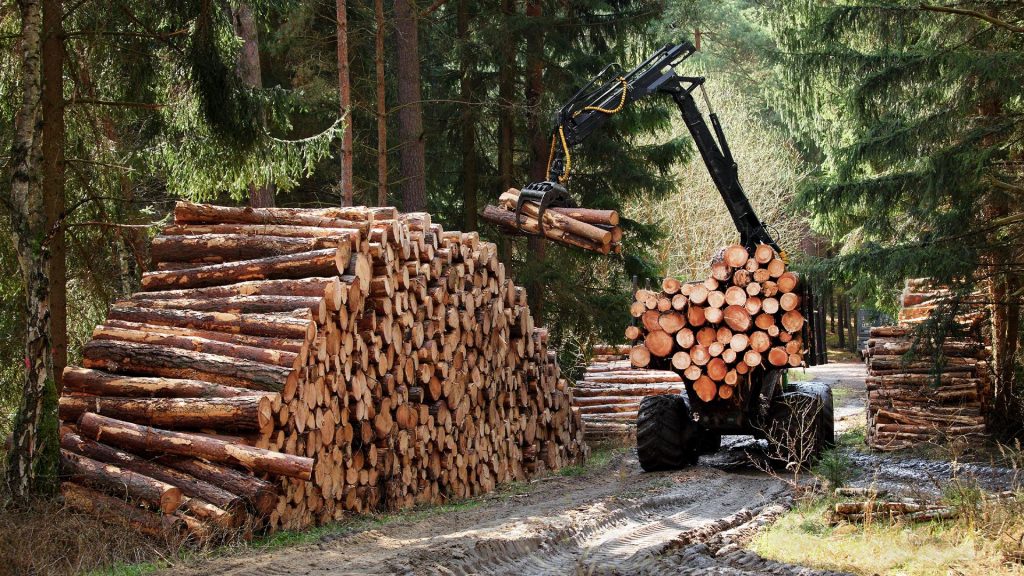
Indonesia’s endemic trees face mounting threats from deforestation, illegal logging, and climate change. These challenges not only endanger biodiversity but also jeopardize the cultural heritage and livelihoods of indigenous peoples.
However, there is hope:
- Community-Based Conservation: Initiatives like customary forest recognition (hutan adat) empower indigenous peoples to reclaim their ancestral lands and manage them sustainably.
- Reforestation Programs: Collaborative reforestation projects, often supported by NGOs and international organizations, aim to restore native tree populations while providing economic incentives to local communities.
- Policy and Advocacy: Strengthening CITES enforcement and advocating for policies that protect both forests and indigenous rights are crucial steps forward.
A Call for Guardians of Biodiversity, Culture, and Global Responsibility
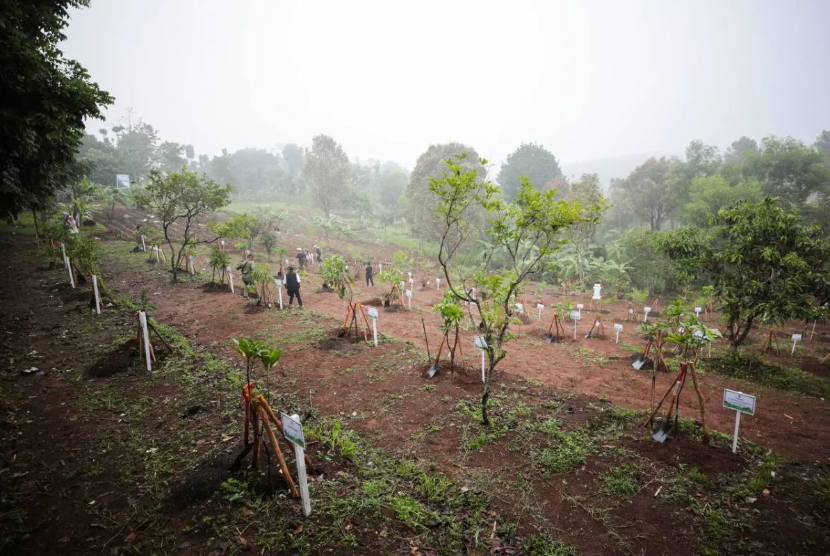
Indonesian endemic trees are more than natural resources—they are lifelines for biodiversity, cultural identity, and the global fight against climate change. These trees are not only vital to the ecological balance of the region but also deeply intertwined with the country’s cultural heritage and livelihoods.
Indonesia’s forests, with their iconic trees and vibrant cultures, represent a powerful testament to the interconnectedness of nature, humanity, and global responsibility. Protecting them is not just a local necessity—it is a global imperative. By respecting indigenous stewardship, adhering to international conservation agreements like CITES, and fostering sustainable practices, we can ensure these trees continue to thrive. (a.S.)
Reading sources:
CITES and Timber: A Guide to CITES-listed Tree Species
Tropical Timber Atlas: https://cites.org/sites/default/files/timber_id_materials/files/E-TMT-SDP-010-12-R1-M-Tropical%20Timber%20Atlas.pdf