Each year on May 2nd, the global community observes World Tuna Day to recognize the critical role that tuna species play in marine ecosystems, global nutrition, and coastal economies. As we honor this day under the theme “Our Ocean, Our Tuna, Our Future”, it becomes vital to move beyond celebration—to deeply reflect on how tuna fisheries intersect with the blue economy and the pursuit of resilient, sustainable food systems.
Tuna: A Keystone Species in the Global Food Chain
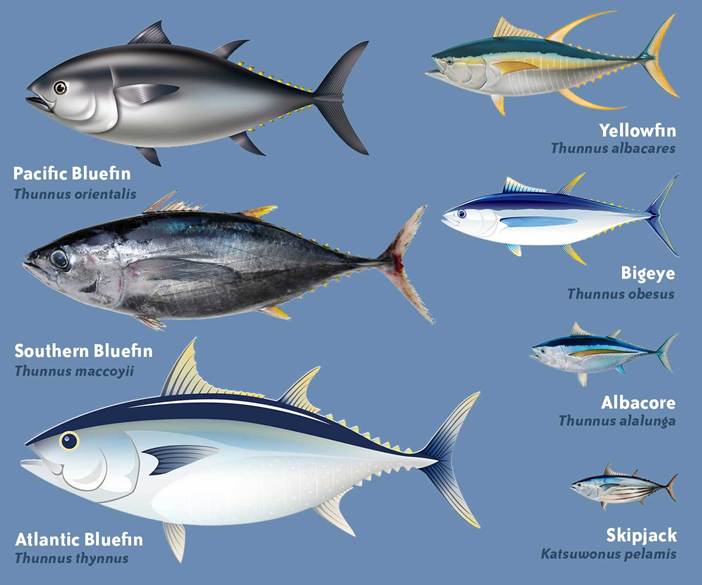
Tuna are among the most commercially valuable fish in the world, contributing significantly to food security, employment, and economic development. They are a protein-rich food source for millions and a livelihood lifeline for countless coastal communities, particularly across the Pacific, Indian, and Atlantic Oceans.
However, tuna populations are under threat from overfishing, illegal, unreported, and unregulated (IUU) fishing, and the broader impacts of climate change. These threats jeopardize not only marine biodiversity but also the stability of food systems that depend on healthy oceans.

Blue Economy: A Path Toward Sustainable Prosperity
The blue economy promotes sustainable use of ocean resources for economic growth, improved livelihoods, and ocean ecosystem health. Tuna fisheries represent one of the clearest opportunities to implement blue economy principles. By investing in science-based fishery management, traceability technologies, and inclusive governance, we can ensure that tuna harvesting supports both economic prosperity and ocean regeneration.
This means empowering small-scale fishers with fair market access, supporting indigenous and local knowledge systems, and enforcing international cooperation in high seas management.

Reimagining Food Systems Through Ocean Stewardship
In the face of mounting climate challenges, rethinking how we produce and consume food from the ocean is urgent. The future of tuna fisheries must align with a sustainable and equitable food system vision—one that balances ecological limits with nutritional needs and socio-economic justice.
Key shifts include:
- Enhancing value chains through transparency, cold storage infrastructure, and fair-trade practices.
- Promoting dietary diversity by including responsibly sourced seafood in national nutrition strategies.
- Integrating climate resilience into marine food systems to protect both ocean species and the communities that depend on them.
Indonesia’s Role and Responsibility
As the world’s second-largest producer of tuna, Indonesia holds a pivotal role. With vast marine biodiversity and a growing commitment to sustainable development, the country stands at the forefront of transformative action. Programs that support data-driven fisheries management, community-based monitoring, and marine conservation zones are essential to ensure long-term benefits.
Initiatives like eco-labeling, harvest control rules, and technology-enabled catch documentation can further position Indonesia as a leader in the global blue economy movement.
Toward a Just and Recreating Future
World Tuna Day is a call to action! It urges us to move beyond extractive models of ocean use and toward a regenerative relationship with marine life. It invites us to see the tuna not just as a commodity but as a symbol of what’s possible when economic development honors ecological boundaries and human dignity.
TAU invites you to celebrate tuna not only on our plates but in our policies and partnerships—working together to protect our oceans and nourish future generations. (a.S.)

#WorldTunaDay #BlueEconomy #SustainableFisheries #FoodSystems #TanahAirUdara