In a world increasingly strained by climate change, biodiversity loss, and food insecurity, sustainable food systems have never been more crucial. Yet, beyond the science of agriculture and policy reform, lies a more intimate, often overlooked component: emotional intelligence (EI). The ability to understand, manage, and express emotions is not only essential to human well-being—it’s a catalyst for regenerative change in how we grow, distribute, and relate to food.
The Heart of the Matter
Emotional intelligence refers to our capacity to recognize our own emotions, empathize with others, and navigate social complexities with awareness and compassion. When applied to food systems, EI encourages deeper relationships—with the earth, with the people who produce our food, and with our own consumption habits.
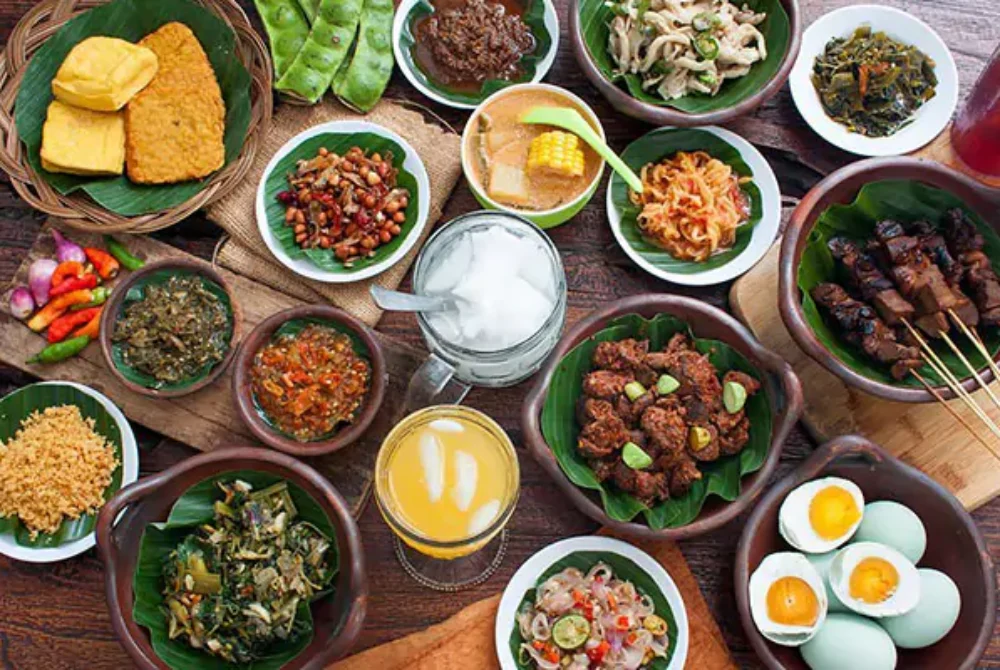
Think about it: when consumers mindlessly purchase highly processed foods wrapped in layers of plastic, they often do so out of convenience or emotional detachment from the consequences of their choices. On the other hand, emotionally intelligent consumers are more likely to engage in reflective consumption—buying local, reducing waste, and supporting ethical producers.
Empathy on the Farm
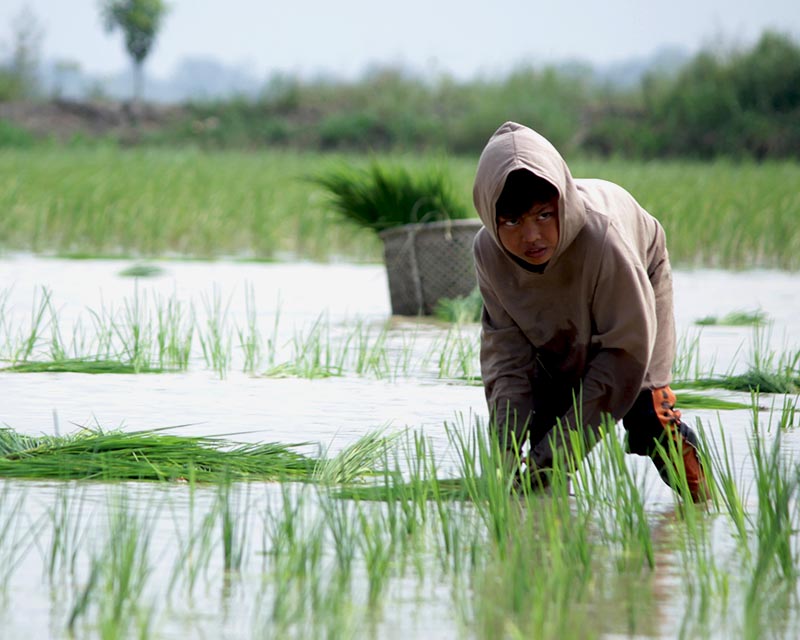
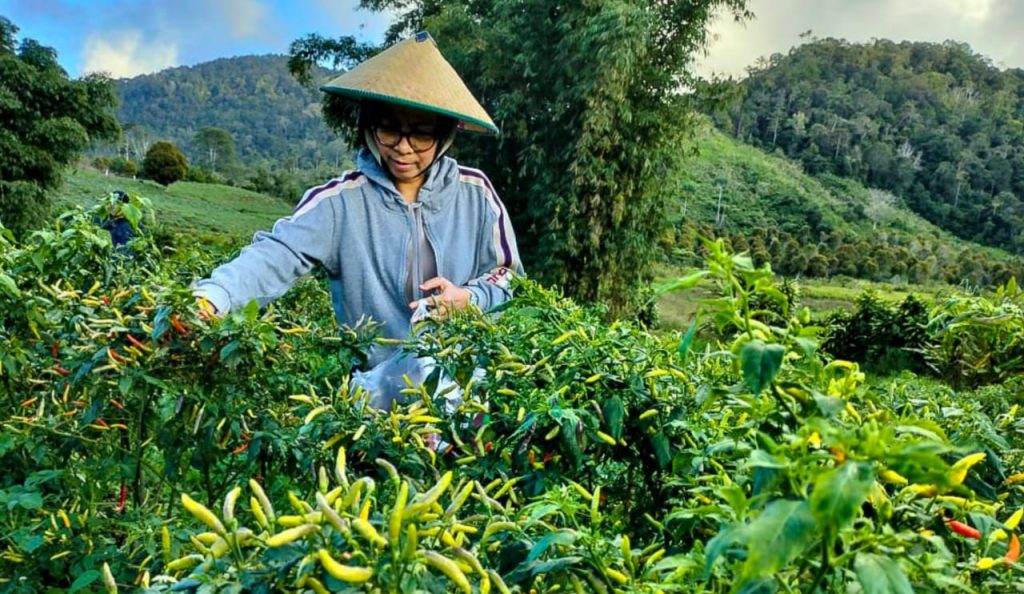
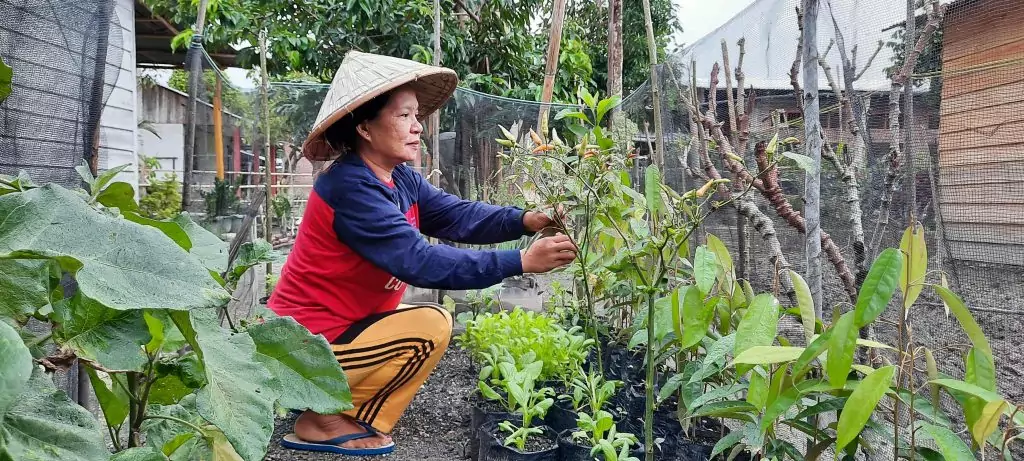
For farmers and food producers, emotional intelligence can foster resilience, collaboration, and ethical decision-making. Farming is emotionally taxing: crop failures, market volatility, and environmental uncertainty are daily realities. Farmers who cultivate emotional awareness are better equipped to adapt, seek support, and innovate—key traits in the shift toward sustainable practices like agroecology and permaculture.

Moreover, food justice movements—from indigenous land stewardship to urban community gardens—are built on the emotional bonds of empathy and solidarity. EI strengthens these networks, empowering collective action over competition and fostering inclusive, resilient food systems.
Mindful Eating, Meaningful Systems
At the individual level, emotionally intelligent eating connects us more profoundly to our bodies, communities, and ecosystems. Practices like mindful eating and gratitude rituals elevate the act of eating from mere sustenance to sacred engagement. This shift in mindset can reduce food waste, enhance nutrition, and restore balance in our relationship with food.
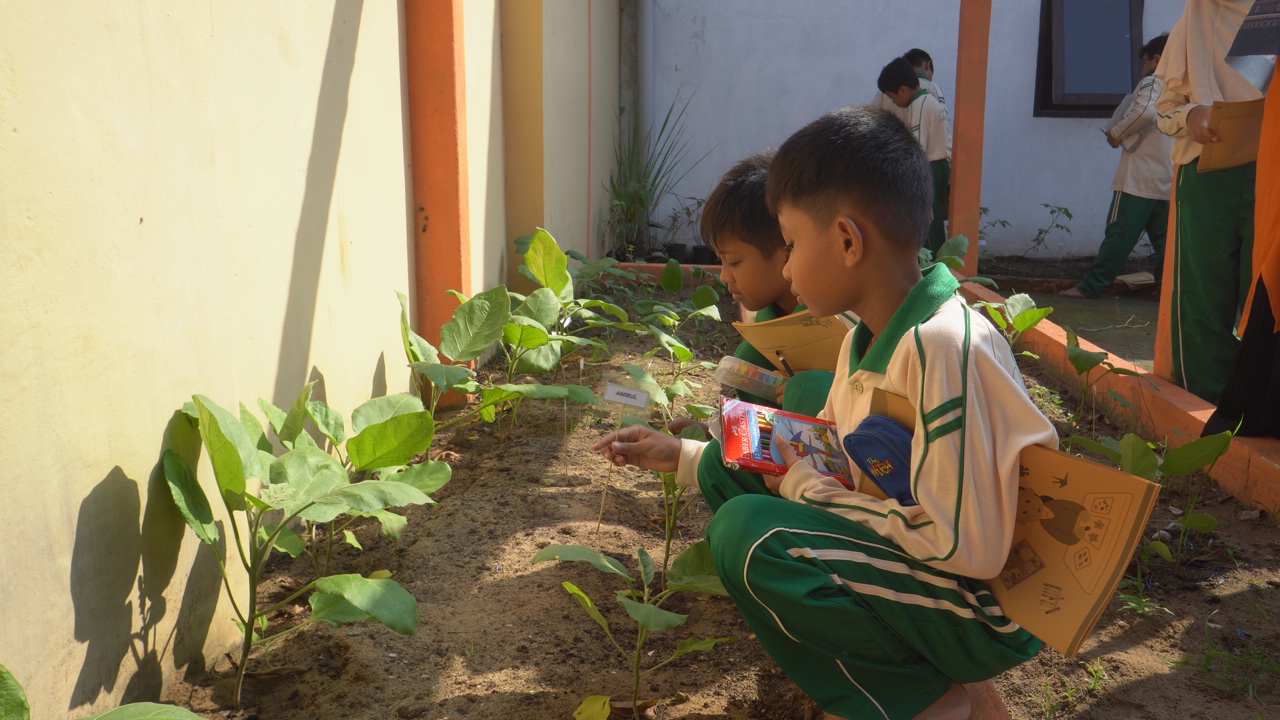
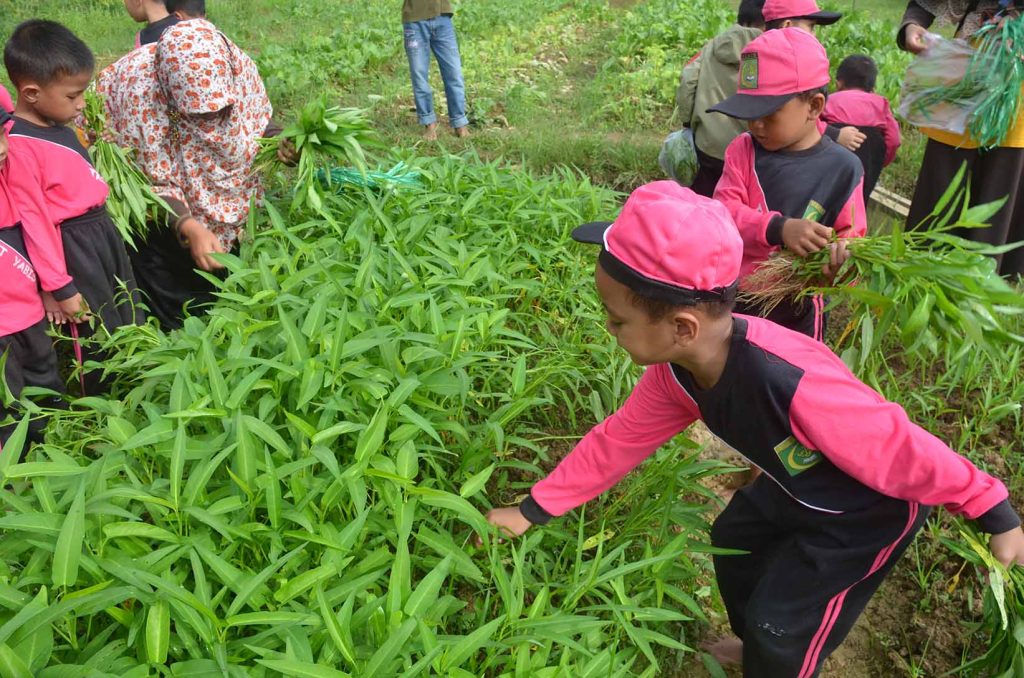
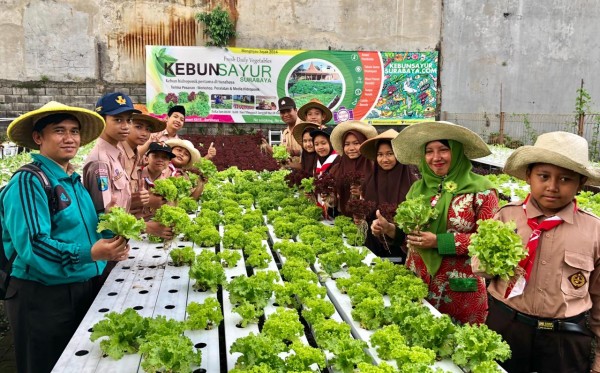
Education also plays a crucial role. Programs that teach children not just where food comes from, but how to connect emotionally to the process—through gardening, cooking, and storytelling—nurture a new generation of conscious eaters and future stewards of the planet.
Integrating EI into Food Policy
Sustainable food systems need more than technical fixes; they require cultural transformation. Policymakers and institutions can embed emotional intelligence into food systems by:
- Supporting farmer well-being and mental health initiatives
- Promoting participatory decision-making in food governance
- Encouraging storytelling and cultural preservation in agricultural communities
- Integrating social-emotional learning in food and environmental education
“From Head to Heart”
Building sustainable food systems isn’t just about what we know—it’s about how we feel, how we connect, and how we care. Emotional intelligence is the thread that can weave personal transformation with systemic change, nurturing not only a healthier planet but a more compassionate humanity.
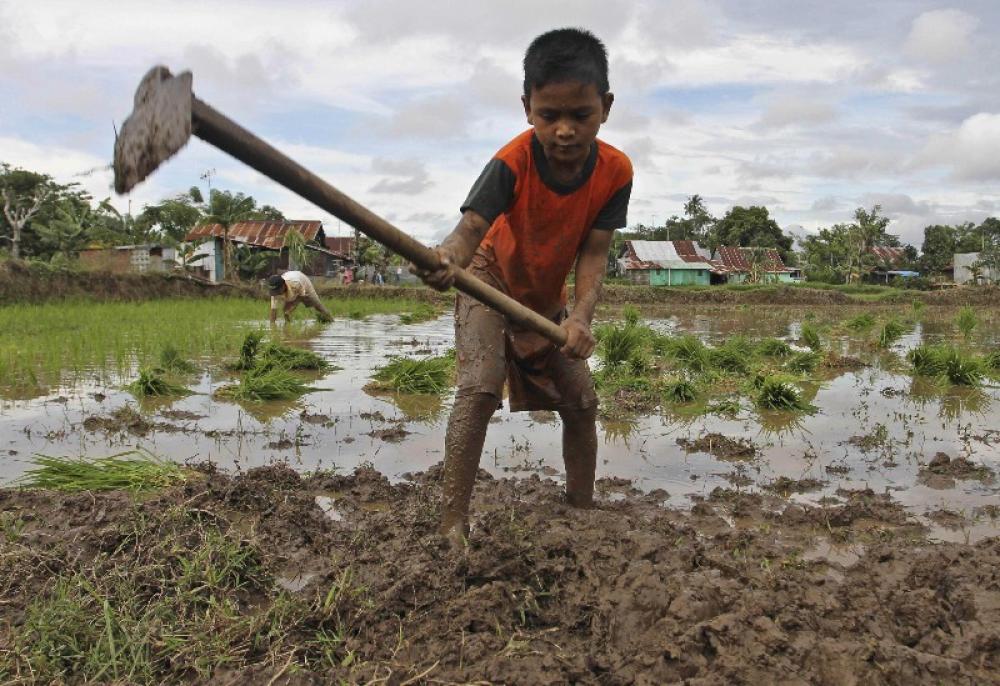

As we plant seeds for a sustainable future, let’s remember: the soil isn’t the only thing that needs tending. Our hearts do too. (a.S.)
Please visit our Instagram @perkumpulan.tau