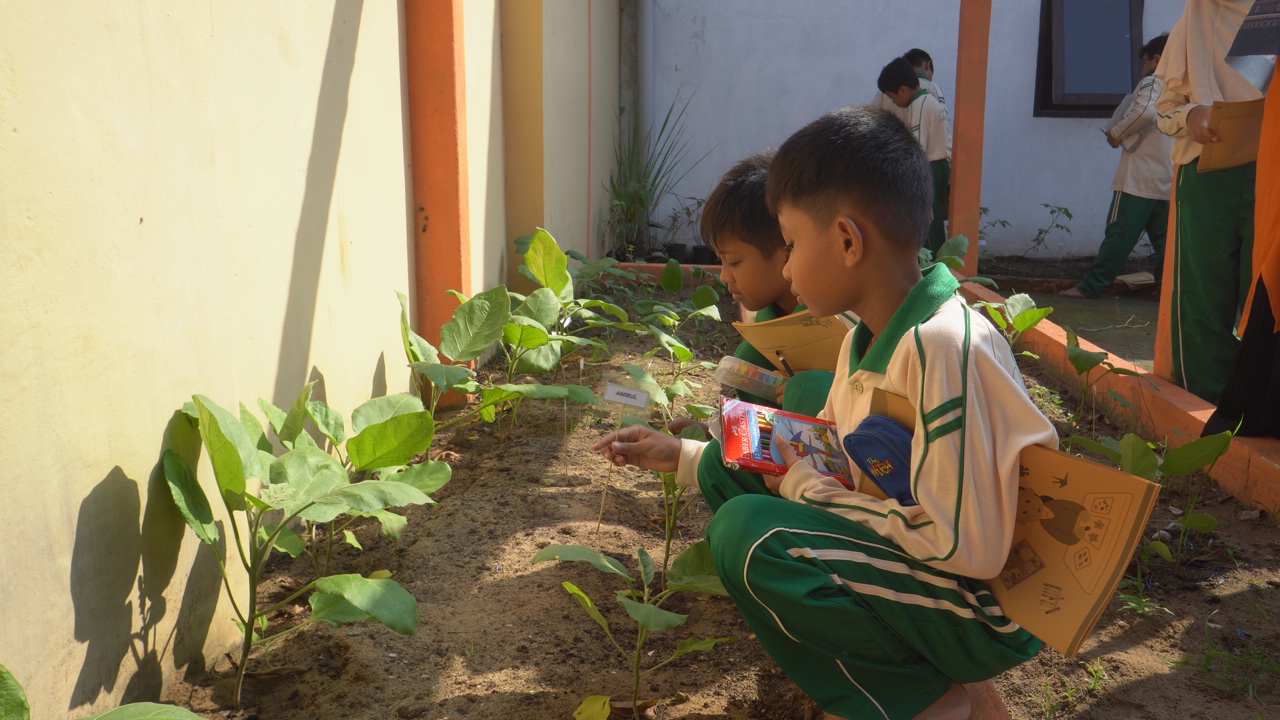
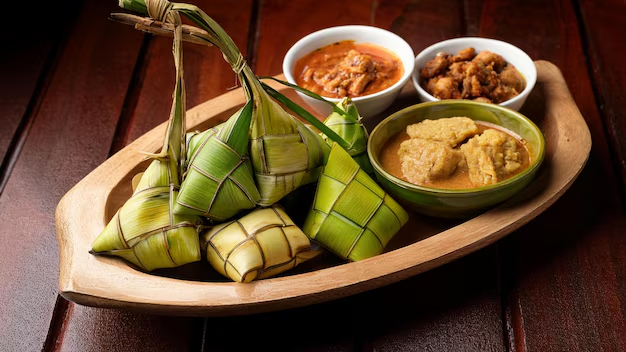
June 18 marks Sustainable Gastronomy Day—a global reminder that the way we grow, cook, and eat food holds deep consequences for our health, our planet, and our cultural heritage. For us at Tanah Air Udara, this day offers a meaningful moment to celebrate the wealth of wisdom embedded in Indonesia’s local food traditions—a living tapestry of sustainability, biodiversity, and ancestral knowledge that continues to nourish both people and ecosystems.
What is Sustainable Gastronomy?
Sustainable gastronomy means choosing, preparing, and consuming food in ways that are environmentally responsible, socially inclusive, and economically viable. It encourages us to source food locally, preserve culinary traditions, reduce food waste, and protect natural ecosystems.
For Indonesia—a vast archipelago with more than 17,000 islands and hundreds of ethnic communities—sustainable gastronomy is not a modern innovation, but a time-honored way of life.

The Wisdom in Our Local Plates
From the fermentation traditions of West Java’s peuyeum and oncom, to the biodiversity of West Sumatra’s balado terong ungu made from homegrown eggplants, Indonesian food culture is deeply intertwined with seasonality, local knowledge, and community-based practices.
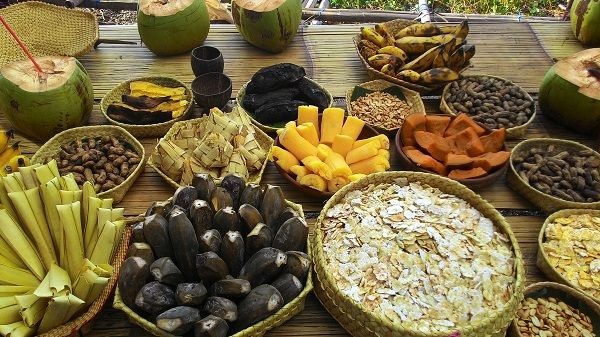
Many of our traditional dishes are born from an intimate relationship with the land and sea. In coastal villages, food like ikan bakar sambal dabu-dabu is prepared with fresh catch and minimal waste. In upland communities, forest-foraged ingredients—such as pakis, cassava or singkong or daun melinjo—become everyday dishes, highlighting a cuisine that is both resilient and regenerative. Our ancestral kitchens also emphasize preservation techniques—salting, drying, fermenting—that reduce dependency on cold storage, lower energy consumption, and prolong food shelf life naturally.
Food as a Reflection of Ecological Harmony
Local gastronomy in Indonesia reflects an ecological ethic that prioritizes balance rather than abundance. The Javanese concept of cukup (enoughness) teaches moderation and mindful consumption. In many indigenous farming communities, tumpeng is not just a ceremonial dish but a symbolic expression of interconnectedness—between humans, nature, and the divine.

The Role of Women and Communities
Women are often the custodians of this knowledge, passing down recipes, seed-saving techniques, and rituals of food preparation through generations. Community kitchens, traditional markets (pasar rakyat), and local food festivals continue to be spaces where this living knowledge is preserved and shared. By supporting women-led food enterprises and community-based agriculture, we don’t just sustain livelihoods—we also safeguard culinary heritage that is under threat from industrial agriculture and fast food culture.
The Way Forward
As we celebrate Sustainable Gastronomy Day, Tanah Air Udara (TAU) calls for a collective revival of Indonesia’s food wisdom. We urge policymakers, educators, chefs, farmers, and youth to work together in:
- Promoting local food education in schools
- Supporting smallholder farmers and fisherfolk
- Encouraging food diversity through seeds exchange and permaculture
- Documenting and celebrating regional food heritage
- Reducing food miles and minimizing waste in kitchens
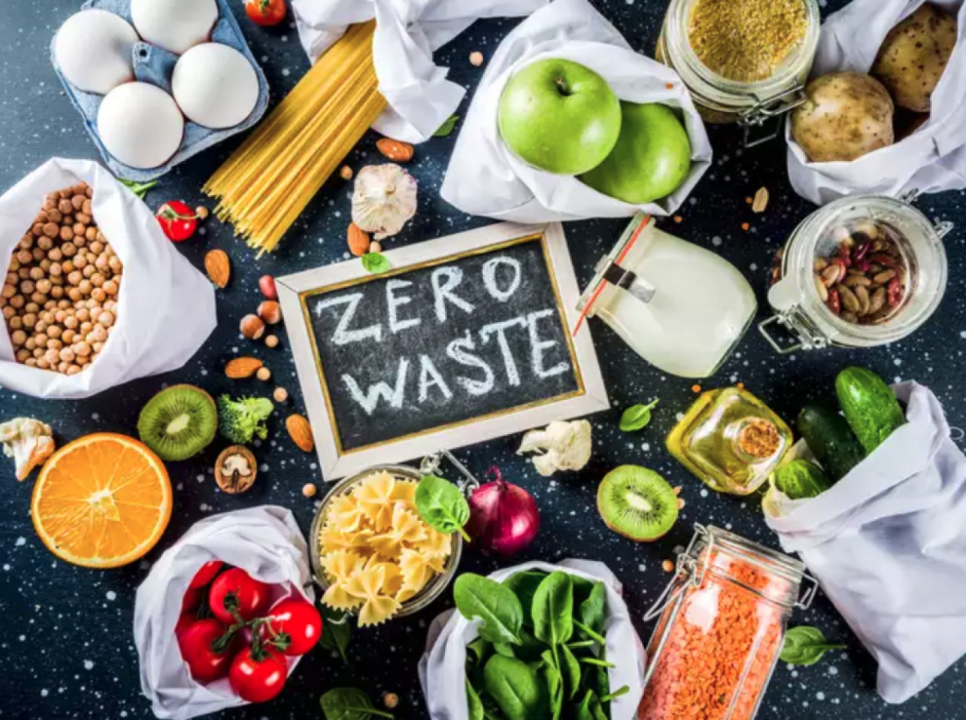
Let us move toward a food future that is not only modern and innovative, but also rooted in heritage, community, and sustainability. (a.S.)
In the wisdom of our kitchens lie the seeds of our resilience.
#SustainableGastronomyDay #PanganLestari #TanahAirUdara #LocalWisdom #FoodSovereignty #GastronomiNusantara
Please visit our Instagram @perkumpulan.tau