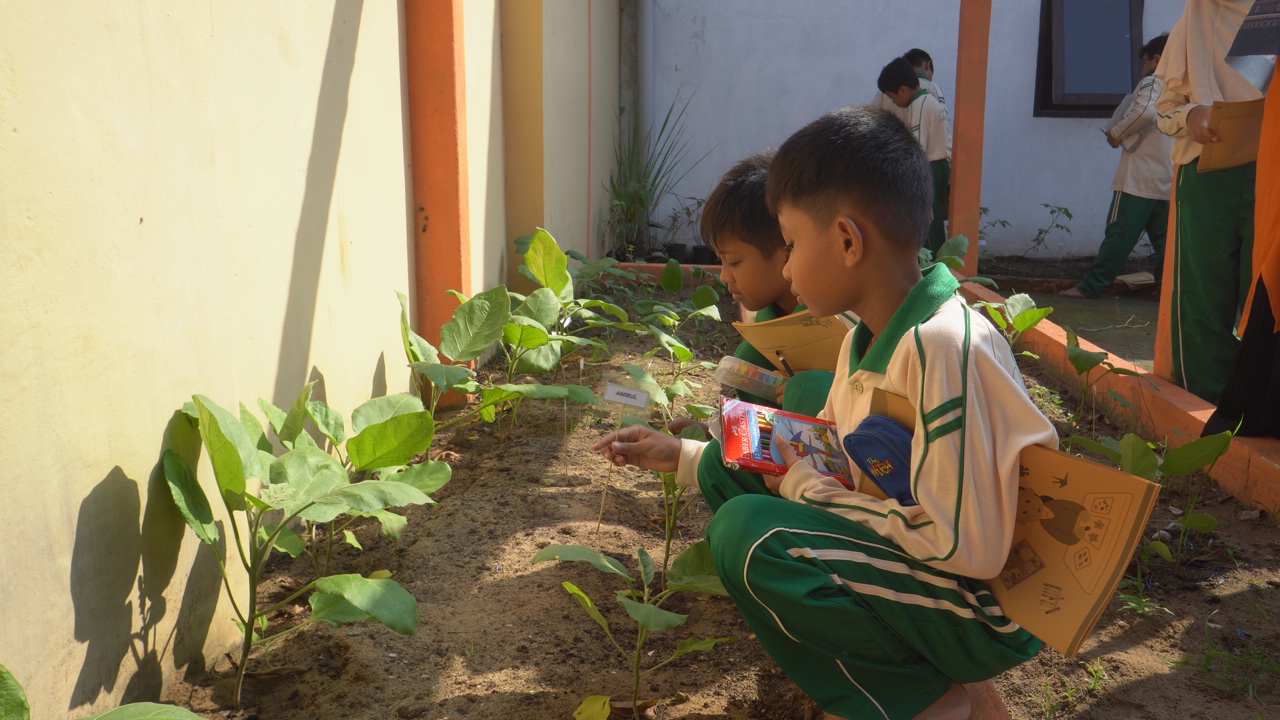
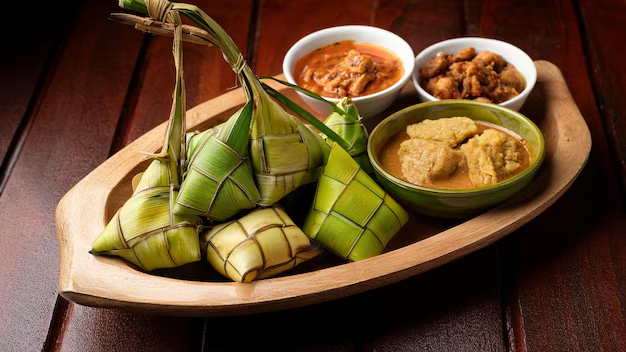
“Food security is not achieved when food is merely available. It is achieved when every person can access nutritious food that is produced in ways that sustain nature, strengthen communities, and preserve future generations.” — Tanah Air Udara (TAU)
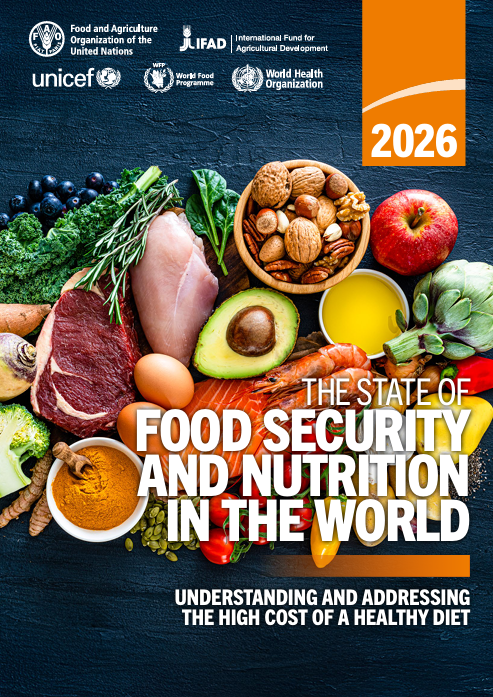
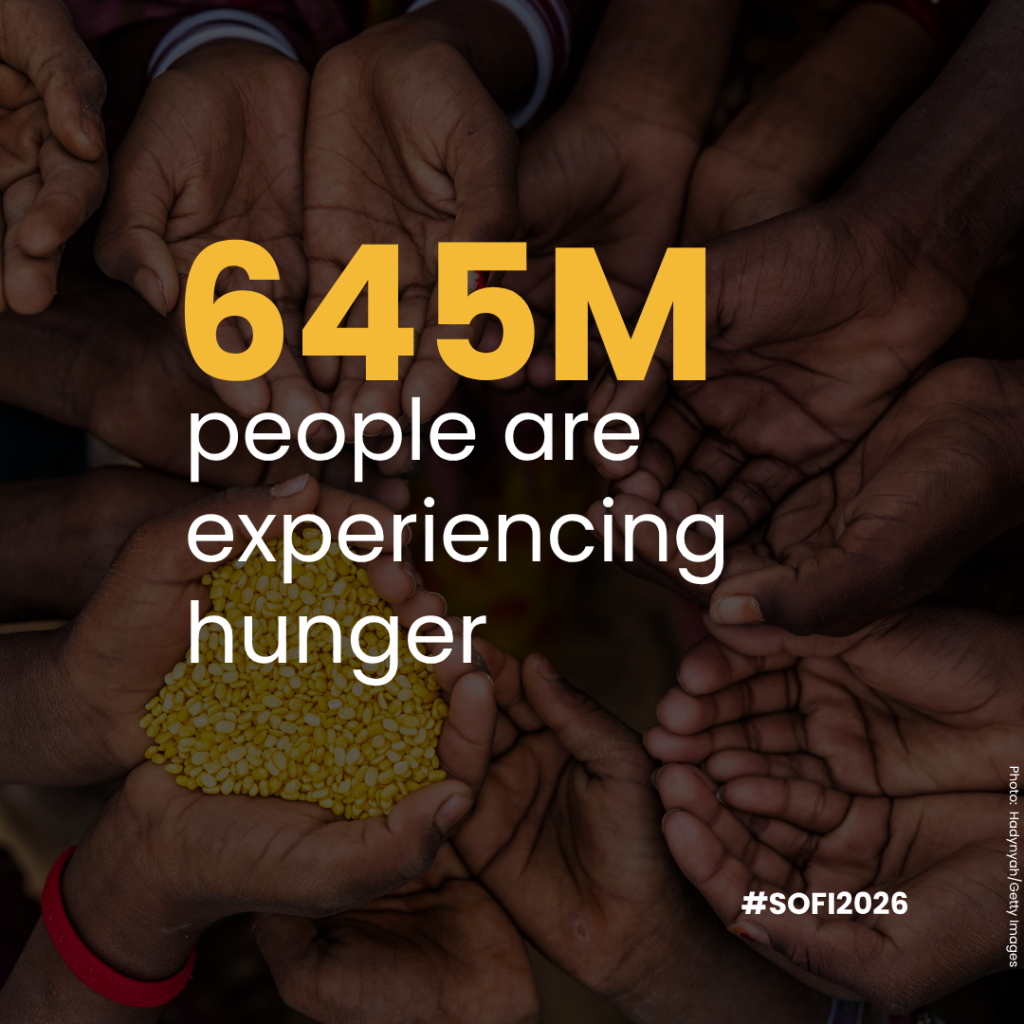
The launch of the 2026 State of Food Security and Nutrition in the World (SOFI) report provides an important opportunity for reflection. At Tanah Air Udara (TAU), we welcome this year’s report and would like to share our perspective on what its findings mean for Indonesia and the broader pursuit of sustainable food systems. While the report offers encouraging news—global hunger has declined for the third consecutive year, demonstrating that progress is possible through coordinated policies, investments, and international cooperation—it also delivers a sobering reminder that the world remains far from achieving Sustainable Development Goal 2: Zero Hunger by 2030. More importantly, billions of people still cannot afford a healthy diet despite living in a world capable of producing sufficient food.
This year’s report shifts the global conversation from simply asking “Do people have enough to eat?” to a more fundamental question: “Can people afford to eat well?”
For TAU, that distinction matters. It reminds us that food security is not merely about producing more food, but about ensuring that nutritious food is accessible, affordable, and produced through food systems that sustain both people and the environment.
Food Security Is More Than Food Availability
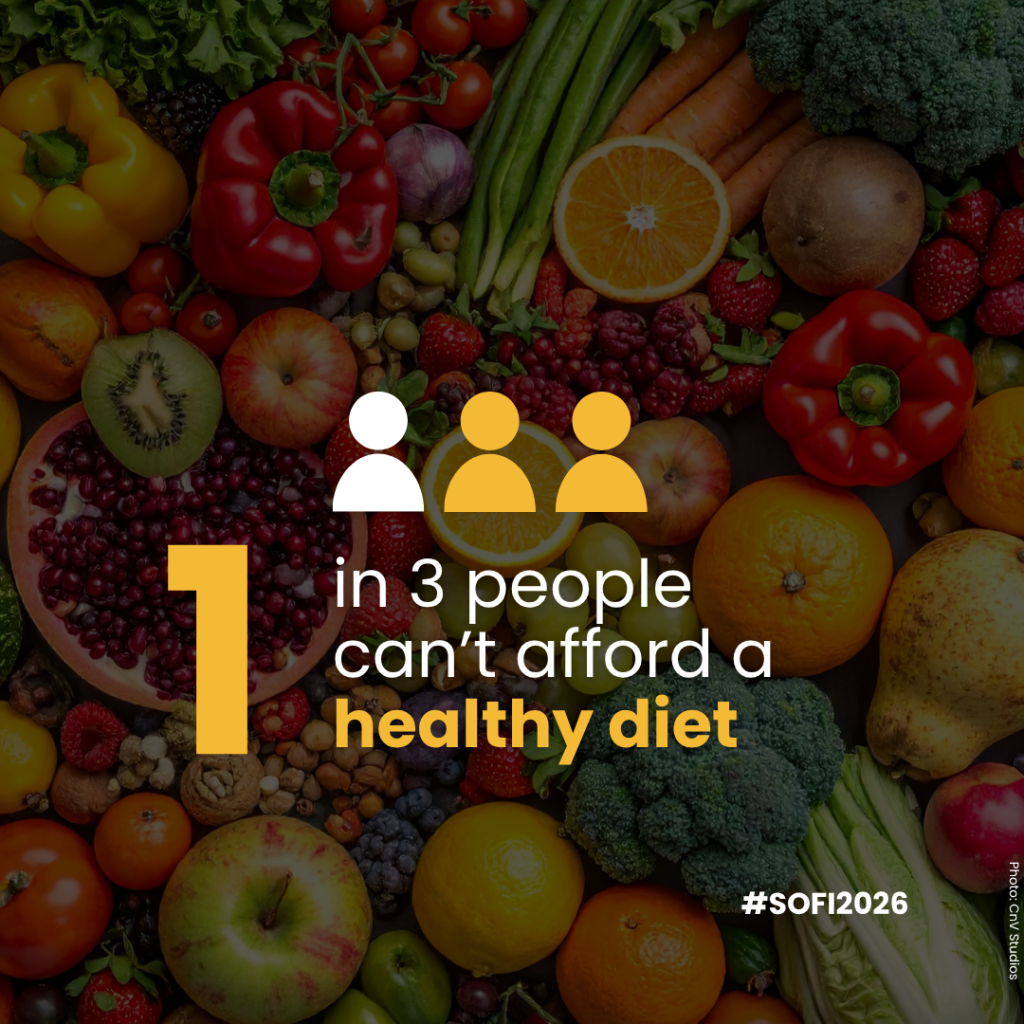
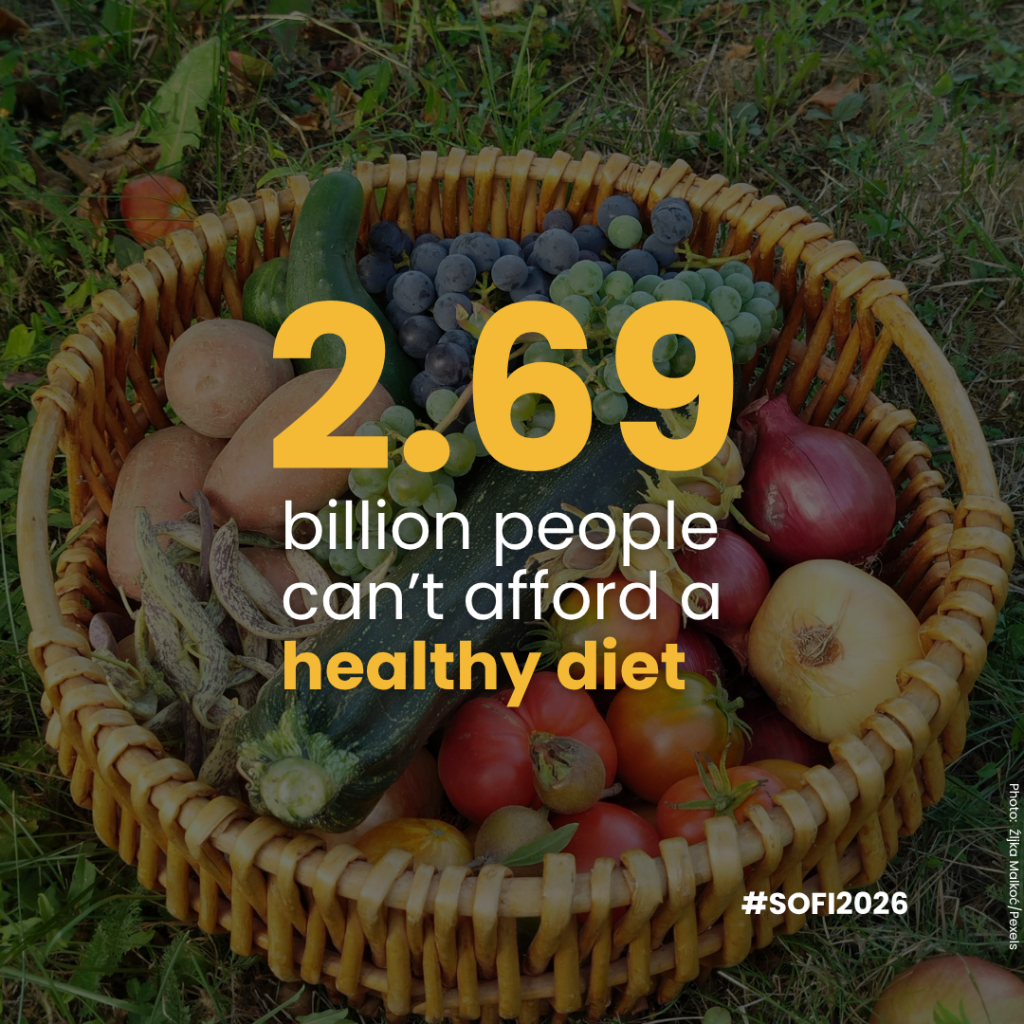
The SOFI 2026 report highlights that while global hunger has modestly improved, around 2.69 billion people remain unable to afford a healthy diet. At the same time, the world continues to face the paradox of persistent undernutrition alongside rising obesity and diet-related diseases.
This tells us that food security is no longer only about production.
It is about affordability.
It is about nutrition.
It is about resilience.
And ultimately, it is about the governance of our food systems.
For Indonesia, these findings resonate strongly. As one of the world’s largest agricultural and fisheries producers, our challenge is not merely increasing production, but ensuring that healthy, nutritious food reaches every household while protecting the ecosystems that make such production possible.
Indonesia’s Opportunity
Indonesia possesses extraordinary assets.
Our farmers cultivate fertile landscapes.
Our fishers harvest one of the world’s richest marine ecosystems.
Our forests, peatlands, rivers, and coastal waters provide ecological services that sustain food production itself.
Yet these strengths also come with responsibility.
Climate change, land degradation, water scarcity, declining biodiversity, and market volatility increasingly affect producers and consumers alike. The cost of nutritious food continues to challenge many Indonesian households, especially those in vulnerable rural and urban communities.
Responding to these challenges requires more than sectoral interventions. It requires connecting agriculture, fisheries, nutrition, education, environmental stewardship, public policy, and local economic development into one integrated food systems approach.
Why Local Solutions Matter
At Tanah Air Udara (TAU), we believe that food systems transformation begins with people. Communities are not merely beneficiaries of development; they are active custodians of landscapes, biodiversity, and local knowledge.
Whether through regenerative agriculture, sustainable fisheries, youth education, or community partnerships, lasting change grows when local wisdom meets scientific knowledge and supportive public policy.
A resilient food system is not measured solely by higher yields. It is reflected in:
- healthier soils,
- healthier oceans,
- healthier diets,
- stronger local economies,
- and greater opportunities for future generations.
Investing Beyond Production
The SOFI report also reminds us that making healthy diets affordable requires investment across the entire value chain—from research and innovation to infrastructure, market access, storage, logistics, and transparent governance.
Indonesia has significant opportunities to strengthen:
- regenerative and climate-resilient farming;
- sustainable fisheries and the blue economy;
- local food diversification beyond staple commodities;
- nutrition-sensitive public policies;
- digital traceability and transparent supply chains;
- youth leadership in food systems innovation.
These are not isolated agendas. Together, they form the foundation of a more resilient Indonesia.
A Shared Responsibility
Food security cannot be delivered by governments alone. Neither can it be solved solely by farmers, businesses, researchers, or civil society.
It requires collaboration across institutions and generations.
As Indonesia continues its journey toward sustainable development, the question is no longer whether we can produce enough food. The real question is whether our food systems can nourish people, regenerate nature, and create equitable opportunities simultaneously.
That is the future TAU envisions.
A future where healthy food is accessible to all, where ecosystems are treated as partners rather than resources to be exhausted, and where local communities become the driving force behind resilient food systems.
Because in the end, food security is not only about feeding today’s population—it is about safeguarding tomorrow’s possibilities.
“A resilient food system begins long before food reaches the table. It begins in healthy soils, thriving oceans, informed public policies, empowered communities, and a shared commitment to leave no one—and no ecosystem—behind.” — Tanah Air Udara (TAU)
#SOFI2026 #FoodSystems #FoodSecurity #Nutrition #SustainableAgriculture #BlueEconomy #ClimateResilience #Indonesia #TanahAirUdara
Download the full report: https://sdg2advocacyhub.org/latest/sofi2026/
Explore The State of Food Security and Nutrition in the World 2026 interactive story and learn how the cost of a healthy diet is measured and why it varies across countries around the world: https://www.fao.org/interactive/2026/cost-healthy-diet/en/