In Celebration of World Food Day 2026
As October reaches its midpoint, Indonesia is navigating a seasonal transition. Following months of hot and relatively dry conditions in many parts of the country, the anticipated return of rainfall brings new considerations for farmers, communities and others across the food system. It is also an opportunity to reflect on how knowledge, innovation and collaboration can help us adapt to changing seasons and build more resilient food systems for the future.
But the transition will not happen everywhere at the same time.
According to the latest forecast from the Meteorology, Climatology and Geophysical Agency (BMKG), the 2026/2027 rainy season is expected to begin later than the climatological average in much of Indonesia. BMKG estimates that 529 seasonal zones, representing around 61% of Indonesia’s land area, are likely to experience a delayed start to the rainy season. Most areas are expected to enter the rainy season during November and December, with considerable differences between regions.
For Indonesia, this is more than a change in weather.
It is also a moment to look at how our food system responds to changing conditions.
One country, different seasonal realities
The seasonal transition reminds us that Indonesia does not experience climate and weather in one uniform way.
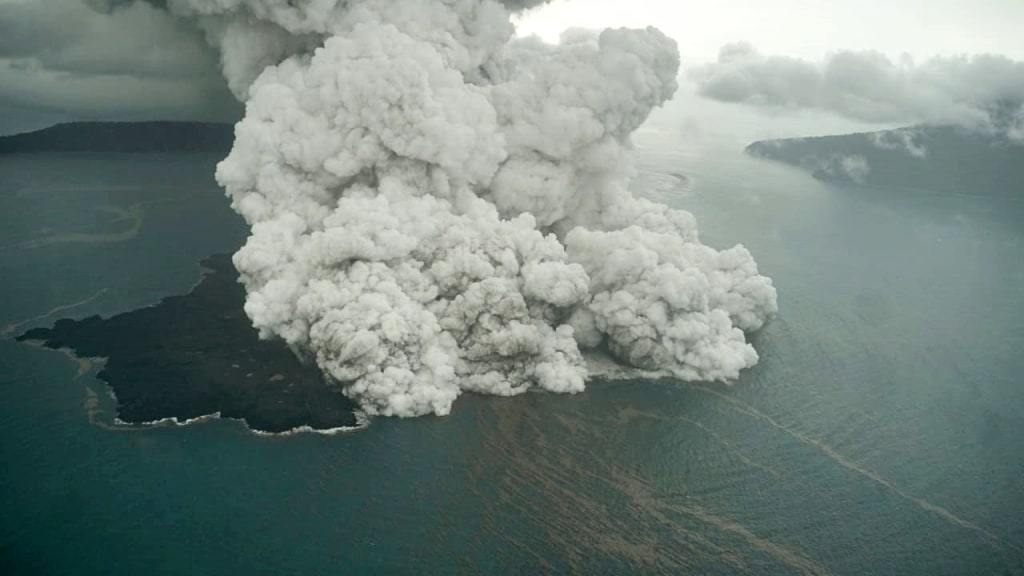
While some areas are preparing for the return of rain after a long dry period, other parts of the country have already experienced periods of intense rainfall and flooding. Elsewhere, dry conditions and the risk of forest and land fires remain important concerns.
These different realities may appear disconnected. From a food-system perspective, however, they are closely related.
Agriculture depends on the timing and availability of water. Food production depends on land and ecosystems. Food distribution depends on roads, markets and transportation. And households ultimately depend on all these connections for access to sufficient, diverse and nutritious food.
A change in one part of the system can therefore have implications beyond the immediate location.
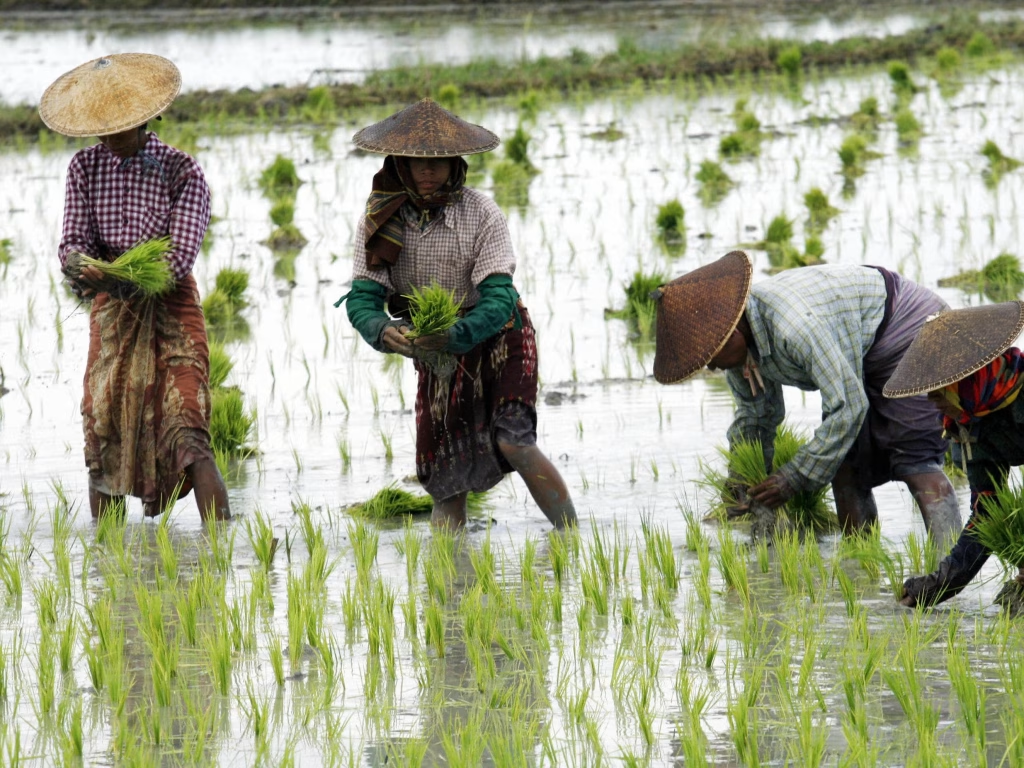
When seasons change, food systems adapt
A later rainy season can influence when farmers prepare land, plant and harvest. It can also affect decisions about crop varieties, irrigation, water storage and farm inputs.
Recent discussion from agricultural experts, including at Gadjah Mada University (UGM), has highlighted the importance of adjusting planting and harvesting calendars when seasonal patterns shift. This is not simply about responding to a forecast; it is about translating information into decisions that make sense for a particular landscape and farming community.
That principle is increasingly relevant across Indonesia.
The same rainfall forecast may require different responses in a rice-producing area, a horticultural region, a dryland farming community, or a landscape where agriculture is closely connected with forests, rivers and fisheries.
This is where innovation becomes practical.
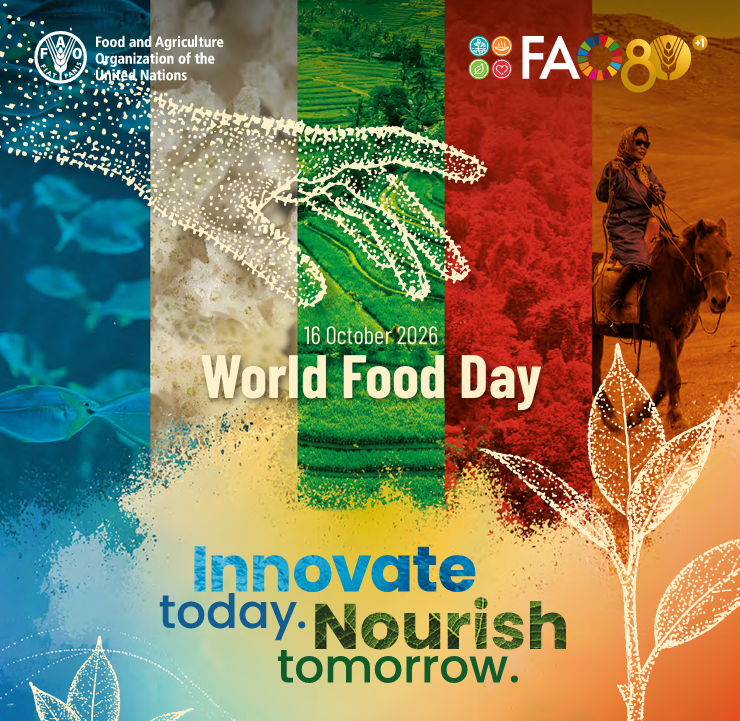
Innovate today. Nourish tomorrow.
The timing of Indonesia’s seasonal transition comes together with this year’s World Food Day on 16 October, whose global theme is: “Innovate today. Nourish tomorrow.”
The Food and Agriculture Organization of the United Nations (FAO) uses the theme to highlight the role of innovation in building more resilient, sustainable and inclusive agrifood systems. Importantly, innovation does not mean technology alone. FAO also points to science, data, education, traditional knowledge, improved practices, policy, entrepreneurship and the experience of farmers, fishers, herders and communities.
This broader understanding of innovation is particularly relevant to Indonesia.
Innovation can be a better way of reading seasonal information.
It can be a farmer adjusting a planting calendar based on local observations and climate forecasts.
It can be a community finding better ways to retain and manage water.
It can be the use of crop varieties better suited to changing conditions.
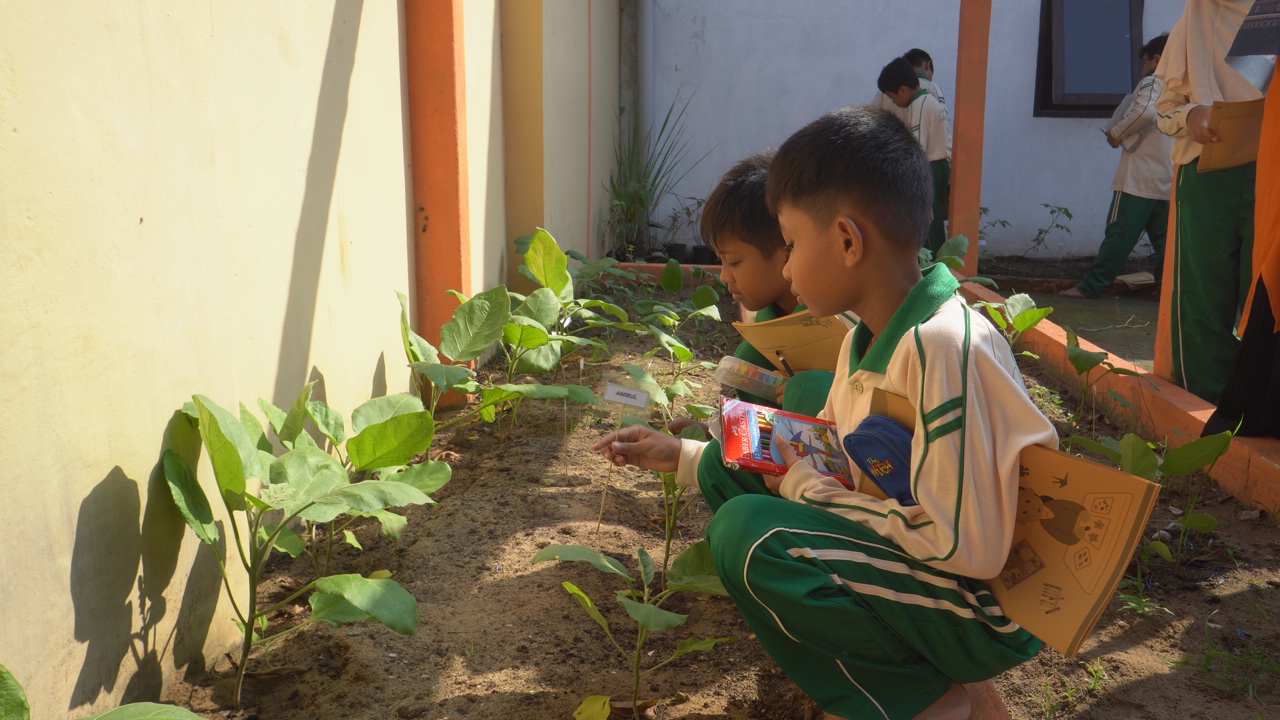
It can be a school helping young people understand where their food comes from.
It can be a market or food business improving the way information, products and supplies move between producers and consumers.
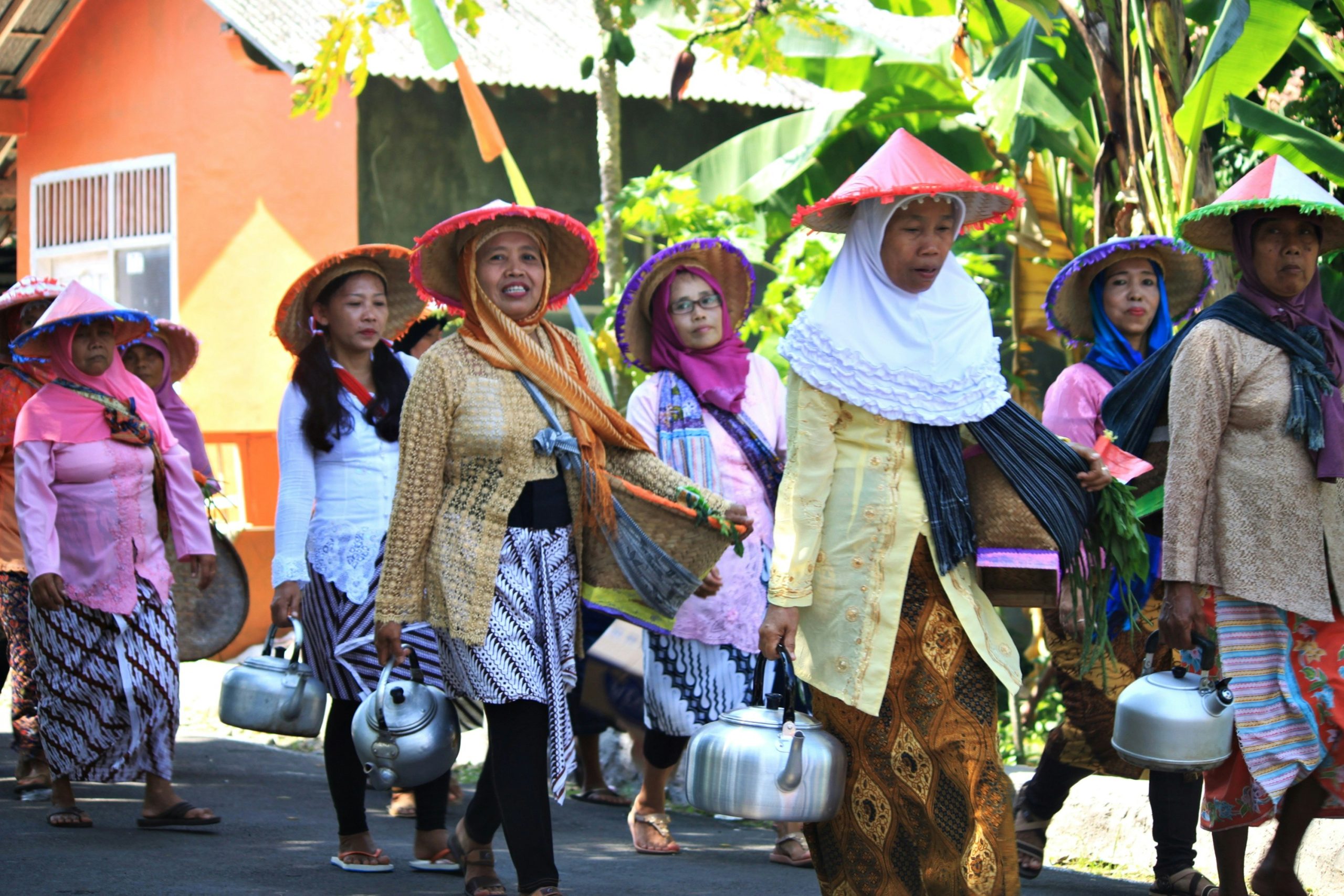
And it can also be the preservation and adaptation of knowledge that communities have developed through generations of living with their particular landscapes.
From information to action
The value of seasonal forecasting ultimately lies in what we do with the information.
For farmers, better access to climate information can support decisions about planting, crop selection and water management.
For local governments and institutions, it can support preparedness and coordination across agriculture, water, infrastructure and food distribution.
For markets and businesses, seasonal information can contribute to better planning of supply chains and inventories.
For communities and households, it can encourage greater awareness of food diversity, local production and responsible consumption.
These actions may seem small when viewed individually. Together, however, they can strengthen the connections that allow a food system to function through changing conditions.
FAO’s World Food Day message similarly emphasizes that innovation becomes meaningful when knowledge and ideas are adopted, adapted, financed and scaled so that they can reach the people who need them.
A season of transition, a season of learning
The coming months will bring different experiences across Indonesia.
Some communities will welcome the return of rain. Others may continue waiting for sufficient rainfall. Some agricultural areas will begin preparing their fields, while others will need to manage periods of intense rain.
There is no single solution for all of these situations. But there is a shared opportunity: to observe, learn and adapt.
The seasonal transition offers a reminder that food-system resilience is not built only when a disruption occurs. It is built through everyday learning, better information, local knowledge, collaboration and the willingness to adjust.
This is also where the message of “Innovate today. Nourish tomorrow.” becomes particularly meaningful for Indonesia.
Innovation does not always have to begin with something new.
Sometimes, it begins with paying closer attention to what is already happening around us — listening to farmers, understanding the landscape, using available knowledge more effectively, connecting information with decisions, and sharing what works.
At Tanah Air Udara (TAU), we believe that understanding the relationship between land, water, people and food is an important part of building more resilient communities and food systems.
As the rains gradually return, perhaps this is a good moment to ask:
What can we learn from this changing season?
What can we adapt today so that our food systems are better prepared for tomorrow?
And ultimately, how can innovation — whether rooted in science, technology, local knowledge or community action — help Indonesia continue to nourish its people while caring for the landscapes that sustain us?
The answer will be different from one place to another. But the opportunity is shared. Innovate today. Nourish tomorrow.
Reference:
- https://openknowledge.fao.org/handle/20.500.14283/ce1452en
- BMKG — El Niño sangat kuat dan prediksi musim hujan 2026/2027
- UGM — El Nino Perpanjang Masa Tanam, Dosen UGM Serukan Diversifikasi Pangan