Books are more than just windows to the world; they help us discover new ways to create impact. This was a key takeaway from the “Literacy Talk: Building a Literate Society: The Role of Communities in Promoting Reading Habits” held on Sunday, September 22, 2024, at Kafe Pedjuang, Lebak Bulus, Jakarta.
Driven by a love of reading, communities like Bookhive Indonesia, TurunTangan, and Kumpulbaca engaged the public to share their passion for books reading. Bookhive Indonesia, for instance, provides cabinets filled with free books in public spaces like parks and MRT stations.
“By bringing books closer to people, we hope to offer another way for them to spend their time: reading,” shared Yuli Andiyana, Managing Director of Bookhive Indonesia. Anyone is welcome to read from or donate to these cabinets, fostering a shared responsibility in promoting a reading culture.
While Bookhive serves as a facilitator, KumpulBaca offers a community for those who prefer more interactive reading experiences. KumpulBaca members not only read but also discuss, respond to, and even critique the books they engage with.
Rizko Fatra, Co-Founder of KumpulBaca, noted a survey result of the organization that reading habits peak during commuting or while in solitude, yet many also thrive within communities. Interestingly, while millennials and Gen Z initially dominated these reading groups, more parents are now joining with their children to encourage early reading habits.
“Parents play a key role in introducing reading to their children, and they are the most accessible models for cultivating this interest,” Fatra explained.
Additionally, A.M. Syarif, Executive Director of TurunTangan, emphasized the importance of equitable access to books for all. He believes the desire to read grows when surrounded by books: “When someone finishes one book, they’re eager to move on to the next, and the next.”
And this is the reason why TurunTangan frequently organizes book distribution activities in underserved areas, helping to bridge gaps in access to literature.
How Reading Helps Foster a Sustainable Food System
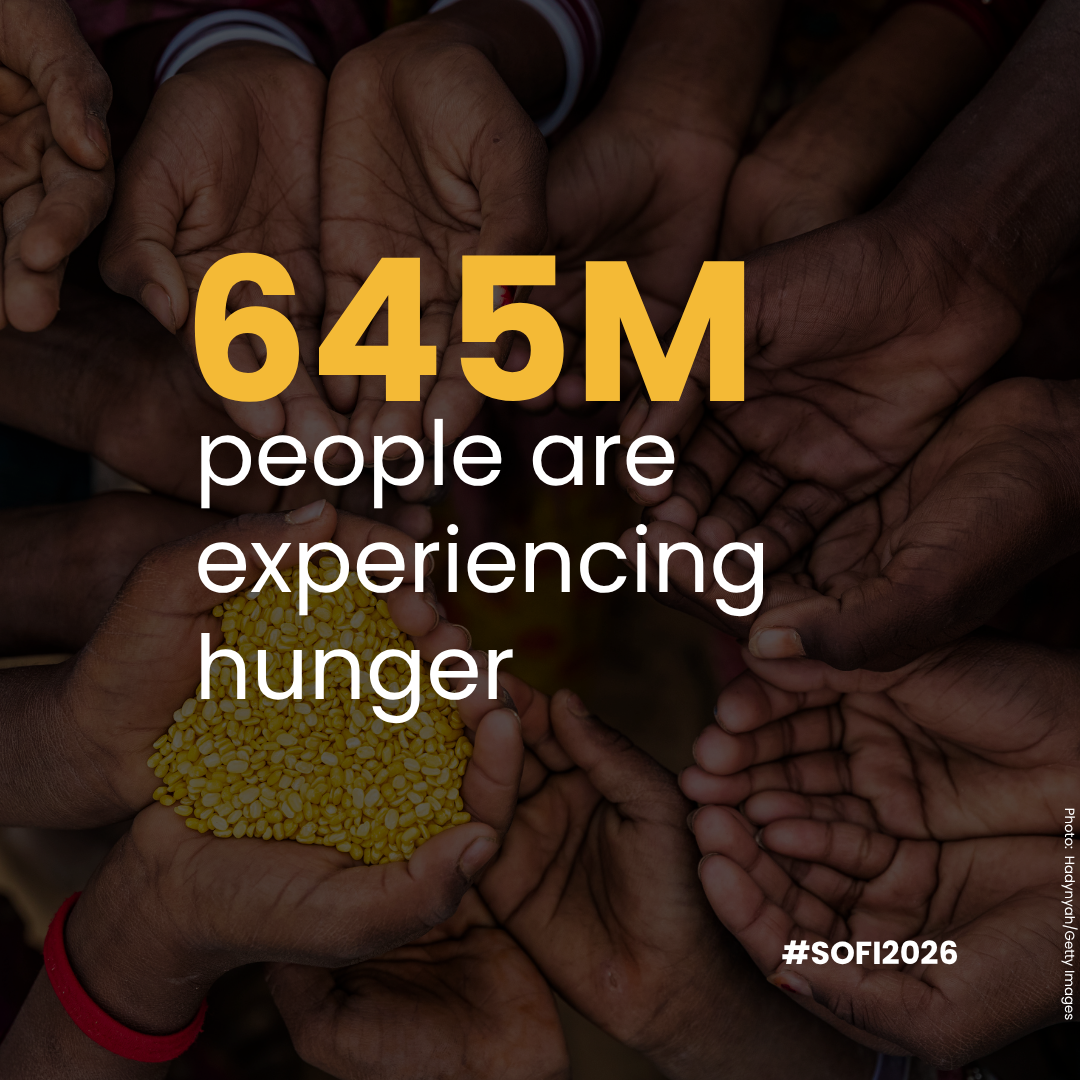
Reading plays a crucial role in fostering a sustainable food system. Books provide an in-depth understanding of global challenges like climate change, environmental degradation, and social inequality—particularly within inefficient food systems. They also introduce readers to practical solutions such as agroecology, organic farming, and regenerative agriculture.
By encouraging critical thinking about food choices, these books empower readers to take meaningful actions, like supporting local farmers or reducing food waste, which contribute to a more sustainable future.
Moreover, books that highlight the challenges and achievements of communities and activists addressing food system issues can inspire readers to become involved in social movements. Reading not only raises individual awareness but also strengthens collective action, driving advocacy for policy changes and systemic reforms toward a more sustainable and equitable food system.