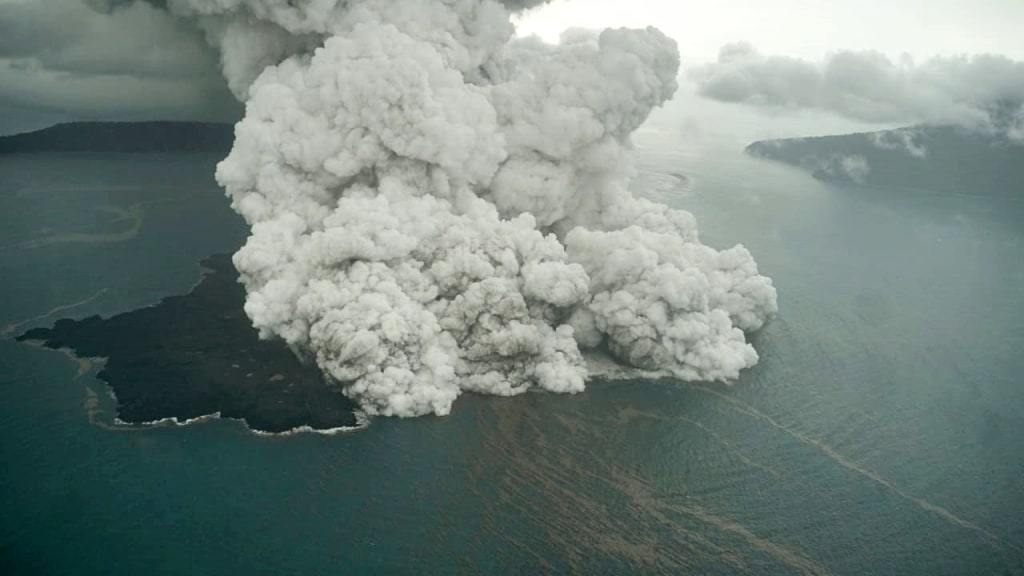
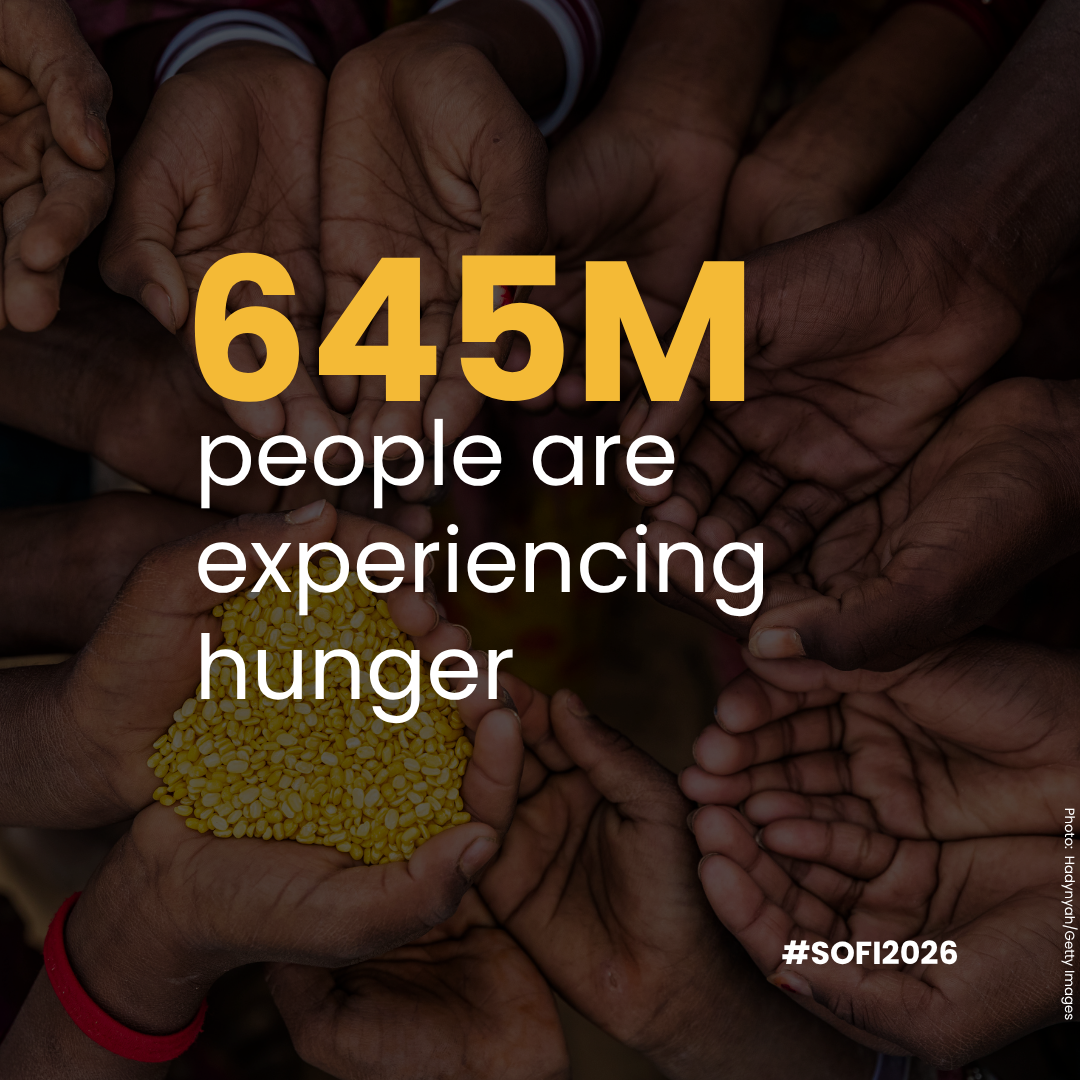
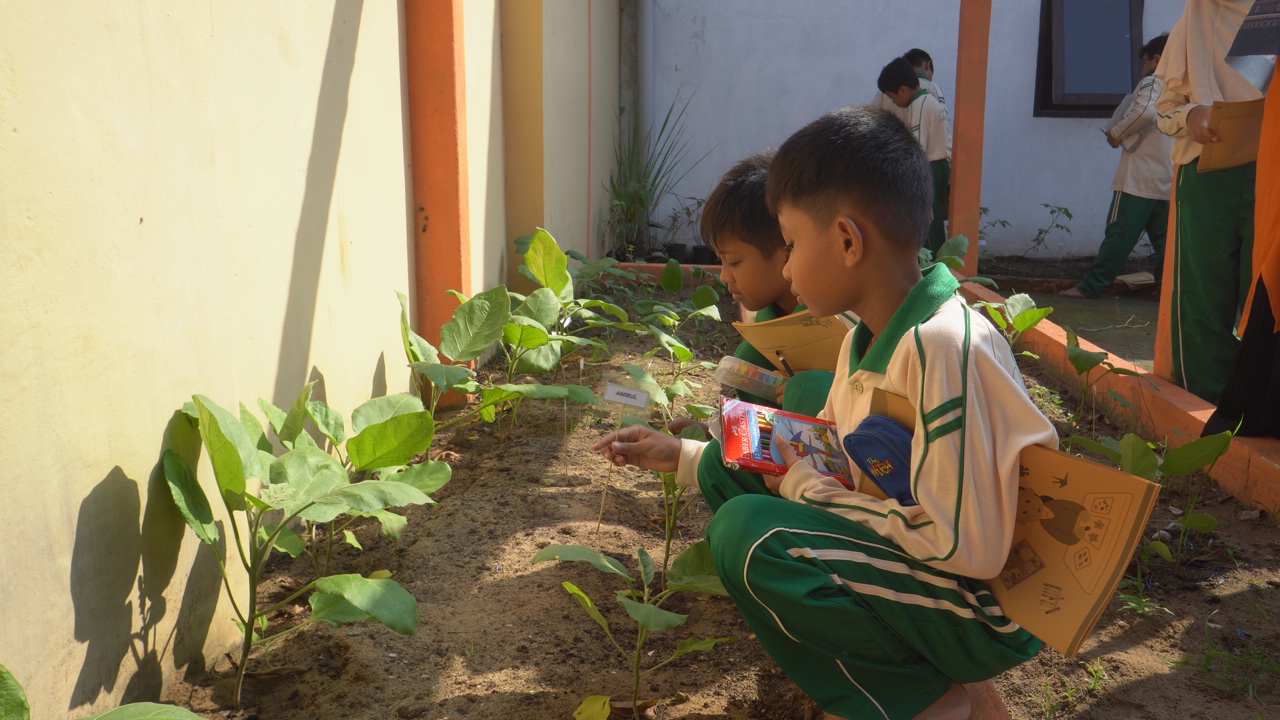
Indonesia is frequently affected by severe flooding, especially in urban and peri-urban areas. These floods, driven by a combination of heavy rainfall, inadequate drainage, deforestation, and rapid urban expansion, significantly disrupt the food system. From damaging agricultural production to causing supply chain breakdowns and escalating food prices, floods pose a critical threat to food security. The recent floods in Jakarta, Bekasi, and Puncak, Bogor in early March 2025 highlight the vulnerabilities within Indonesia’s food system and underscore the urgent need for resilience-building measures.
Several factors identified contributing to the recurring floods in Jakarta, Bekasi, and Puncak:
- Heavy Rainfall during monsoon seasons that’s overwhelming the drainage systems and causing widespread inundation.
- Deforestation and Land Use Changes due to Rapid urbanization especially in upstream areas like Puncak has led to significant deforestation, reducing the land’s ability to absorb rainwater.
- Poor Infrastructure of Jakarta’s aging and insufficient drainage systems struggle to cope with rising water levels, exacerbating flooding in low-lying areas.
- Rising sea levels, increased rainfall variability, and extreme weather patterns further heighten flood risks, worsening Indonesia’s food security challenges.
Floods’ Impact on Food Production and Supply
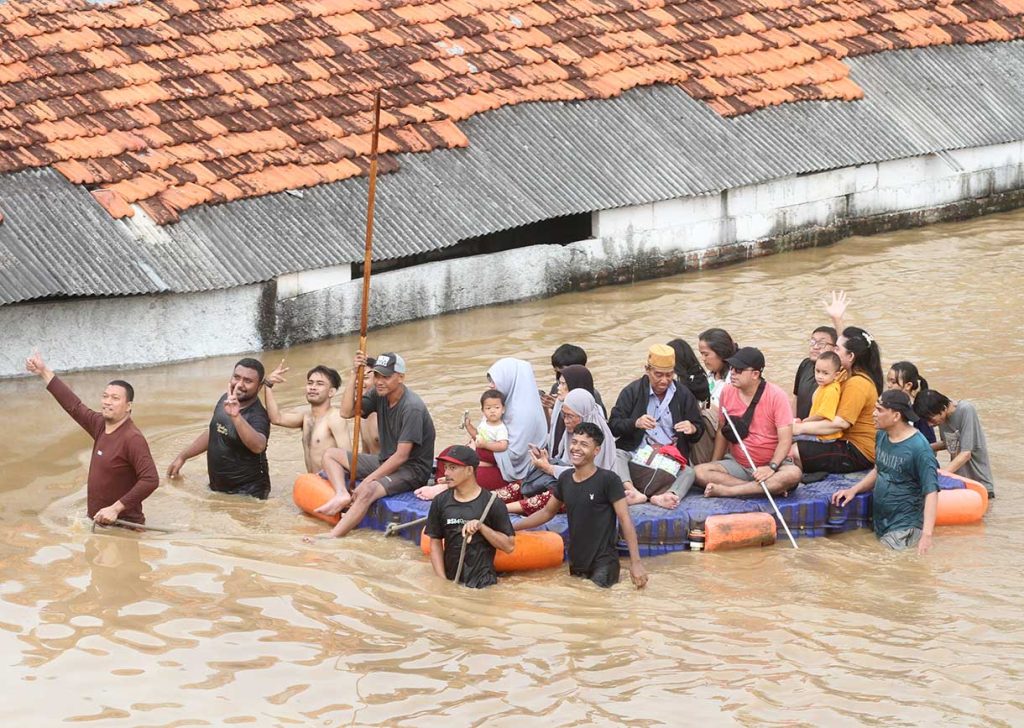
Flooding has a profound impact on food systems in multiple ways:
- Damage to Agricultural Lands: Rice fields, vegetable farms, and other agricultural areas in Puncak – Bogor, Bekasi and nearby regions suffer submersion, leading to crop losses and reduced yields.
- Livestock and Fisheries Disruptions: Small-scale livestock farmers face animal deaths due to drowning, while fishery operations struggle with water contamination and habitat destruction.
- Supply Chain Disruptions: Flooded roads, damaged bridges, and halted transportation networks delay the movement of food from farms to urban markets and vice versa, causing shortages and logistical challenges.
- Rising Food Prices: Reduced food supply and logistical difficulties drive up prices, disproportionately affecting low-income households that rely on affordable food sources.
Weaknesses in Indonesia’s Food System
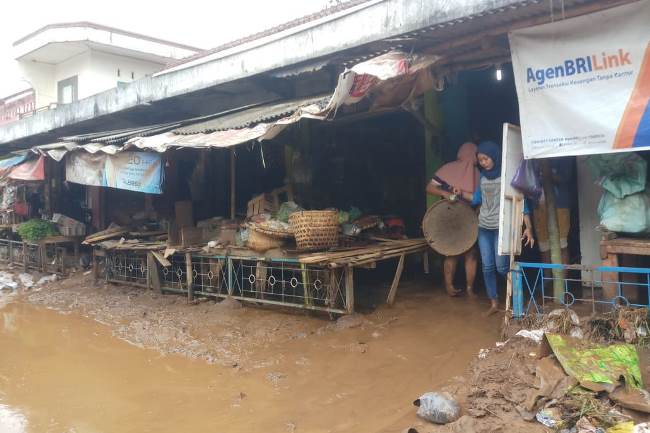
Indonesia’s food system faces several weaknesses, including an over-reliance on flood-prone agricultural regions, making key food production areas highly vulnerable to climate-related disruptions. The limited food storage and distribution infrastructure exacerbates post-harvest losses, particularly during floods when transportation is disrupted. Many food vendors depend on informal supply chains that lack resilience to shocks, leading to food scarcity and economic hardship. Additionally, the lack of early warning and response systems results in limited integration of climate prediction models into agricultural planning, leaving farmers and food suppliers unprepared for extreme weather events. These challenges disproportionately impact low-income populations, pushing them into food insecurity as rising food prices and declining food availability take their toll.
Adaptive Strategies for a Resilient Food System
Ensuring food security in Indonesia is further complicated by supply chain disruptions that reduce access to nutritious food, forcing many to rely on processed and less healthy alternatives. The loss of livelihoods for farmers, street vendors, and market traders due to damaged goods and restricted consumer access to food markets worsens the situation. Moreover, floodwaters contaminate drinking water sources, heightening health and sanitation risks and increasing the prevalence of waterborne diseases, which threaten food safety.
To build a resilient food system, Indonesia must adopt adaptive strategies such as investing in flood-resistant agriculture by developing flood-tolerant rice varieties and climate-adaptive farming techniques. Strengthening drainage and infrastructure, including expanding flood control measures and constructing flood retention basins, can help minimize disruptions. Diversifying supply chains through alternative food routes, local food hubs, and improved storage facilities will ensure continued food availability during extreme weather events. Community-based solutions like urban farming, rainwater harvesting, and decentralized food distribution networks can enhance local resilience. Finally, strengthening policy and governance through integrated disaster risk management and improved coordination among government agencies, private sectors, food system actors, and local communities will be crucial in addressing long-term vulnerabilities.
Conclusion
Strengthening Indonesia’s food system to withstand climate-induced flooding is essential not only for ensuring stable food supply chains but also for protecting livelihoods and the well-being of millions across the country.
The recent floods in Jakarta, Bekasi, and Puncak – Bogor expose significant weaknesses in certain part of Indonesia’s food system. Addressing these challenges requires a comprehensive approach that integrates climate-resilient agriculture, infrastructure improvements, including enhanced food security policies and practices, and proactive governance. (a.S.)