Kecombrang (Etlingera elatior), also known as torch ginger or bunga honje alias bunga kantan, is a plant native to Southeast Asia that has long been used in traditional Indonesian, Malaysian, and Thai cuisine. As civilizations evolve, kecombrang continues to be a staple in local diets while emerging as a modern superfood with immense nutritional and medicinal value. Its integration into contemporary food culture highlights the convergence of tradition and innovation in global food systems.
Kecombrang in the Evolution of Food Culture
- A Symbol of Traditional Wisdom: Kecombrang has been an integral part of traditional Indonesian, Malaysian, and Thai cuisines, demonstrating how ancient communities leveraged nature’s offerings for nutrition and healing.
- Bridging Past and Present: The growing recognition of kecombrang as a superfood showcases how traditional ingredients are being rediscovered and adapted into modern dietary trends.
- A Sustainable Future: As food civilization moves toward sustainability, kecombrang’s minimal agricultural footprint and ability to thrive in diverse climates make it a promising crop for future food security.
Culinary and Cultural Significance
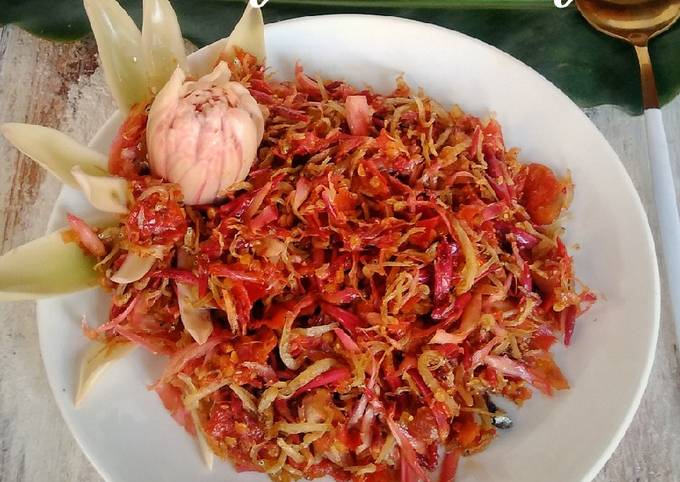
Kecombrang’s versatility in cooking mirrors the evolution of food civilizations that emphasize both nourishment and flavor. It is widely used in Southeast Asian cuisine, adding a citrusy, floral note to dishes:
- Traditional Indonesian Dishes: Added to sambal, curries, and stir-fries for enhanced flavor.
- Salads and Soups: Fresh kecombrang petals are used in salads, while its stem can be incorporated into broths.
- Fermented Foods: In some regions, kecombrang is used in pickles and fermented condiments, reflecting ancient preservation techniques
Nutritional Profile
Kecombrang is packed with essential nutrients and bioactive compounds, making it a valuable addition to a healthy diet. Some key components include:
- Antioxidants: Kecombrang contains flavonoids, phenolics, and tannins that help fight oxidative stress and reduce inflammation.
- Vitamins and Minerals: It is rich in vitamin C, which boosts the immune system, and minerals such as calcium, potassium, and magnesium, which support bone health and cardiovascular function.
- Dietary Fiber: The plant’s fibrous content aids digestion and promotes gut health.
- Essential Oils: The presence of bioactive essential oils provides antimicrobial and antifungal properties.
Health Benefits of Kecombrang
- Boosts Immunity: The high vitamin C content strengthens the immune system, helping to fight off infections and diseases.
- Aids Digestion: Kecombrang supports a healthy digestive system due to its fiber content, which promotes regular bowel movements and gut health.
- Anti-Inflammatory Properties: The antioxidants in kecombrang help reduce inflammation, making it beneficial for conditions such as arthritis and cardiovascular diseases.
- Supports Skin Health: The plant’s flavonoids and vitamin C contribute to healthy, glowing skin by reducing signs of aging and preventing skin damage.
- Antimicrobial and Antifungal Effects: Studies suggest that kecombrang has natural antimicrobial properties, making it effective against harmful bacteria and fungi.
Sustainability and Agricultural Benefits
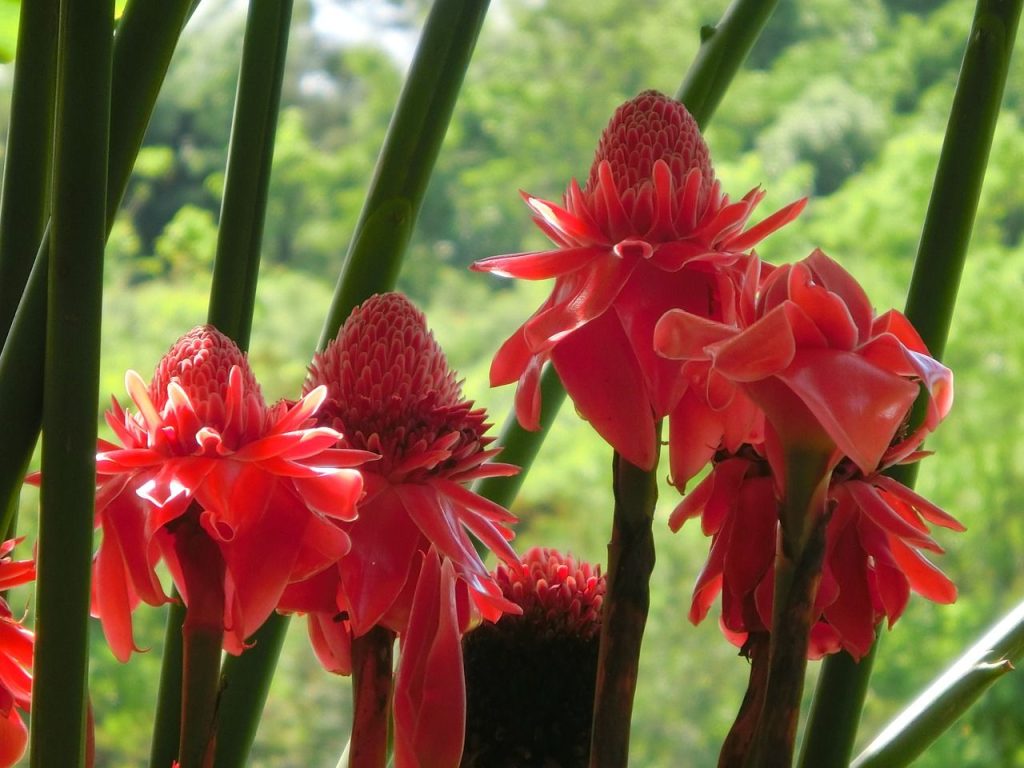
Kecombrang is not only beneficial for human health but also contributes to sustainable agriculture. It is a hardy plant that thrives in tropical climates with minimal need for pesticides or fertilizers. Additionally, all parts of the plant—including its flowers, stems, and leaves—can be utilized, reducing waste and promoting a circular economy in food production. Its role in local farming traditions underscores how food civilizations have long practiced sustainability before it became a global movement.
Conclusion
With its impressive nutritional benefits, medicinal properties, and sustainability advantages, kecombrang exemplifies the synergy between traditional wisdom and modern health science. As global interest in functional foods grows, this vibrant plant offers an opportunity to promote health while supporting sustainable food systems. Integrating kecombrang into modern diets could be a step toward healthier living and a more resilient food civilization, ensuring that ancestral knowledge continues to shape the future of food. (a.S)