Artificial Intelligence (AI) has become deeply integrated into our daily lives, offering numerous benefits across different domains. AI itself is designed to imitate the abilities and functions of the human brain, such as learning, natural language processing, decision making, and pattern recognition. The goal is to develop technology that can help humans in various aspects of life, for example, in health, transportation, and industry.
AI mimics human cognitive functions and enhances various aspects of life by providing more accurate recommendations, predictions, and solutions as they gather more information. AI uses Natural Language Processing (NLP) to understand and interact with human language. This enables applications like virtual assistants, chatbots, and language translation services to communicate effectively and understand user queries. Moreover, AI algorithms analyze data and make informed decisions based on patterns and insights. This capability is used in various fields, such as finance for investment decisions, healthcare for diagnosis and treatment recommendations, and logistics for optimizing supply chains. Using technology, AI excels in recognizing patterns in data, such as identifying objects in images, detecting anomalies in financial transactions, or predicting trends in consumer behavior. For health, AI contributes to healthcare by analyzing medical data, predicting disease outbreaks, personalizing treatment plans, and even assisting in surgeries. It improves diagnostic accuracy and helps in managing patient care more effectively. In the transportation sector, AI enhances transportation through autonomous vehicles, route optimization, and predictive maintenance. It helps in managing traffic flows, reducing accidents, and improving overall efficiency in transportation systems. In industrial settings, AI optimizes production processes, predicts equipment failures, and improves quality control. It enhances efficiency, reduces downtime, and supports smart manufacturing practices.
Food Consumers
AI is transforming the food consumer experience in several impactful ways. Here’s how AI benefits modern food consumers:
- Personalized Food Recommendations: AI can analyze dietary preferences, health goals, and previous purchases to recommend recipes and products tailored to individual tastes and nutritional needs. This helps consumers make healthier and more enjoyable food choices.
- Smart Grocery Shopping: AI-powered apps and platforms offer features like voice or image-based search for grocery items, personalized shopping lists, and real-time inventory updates. This makes grocery shopping more convenient and efficient.
- Real-Time Food Safety Alerts: AI systems monitor and analyze data from food safety databases, supply chains, and news sources to provide real-time alerts about recalls, contamination, or safety issues. Consumers receive notifications about products they’ve purchased or might be consuming, helping them avoid potential health risks.
- Nutrition and Health Tracking: AI-driven apps and wearables can track dietary intake and analyze nutritional data, offering personalized feedback and suggestions for improving diet and overall health.
- Recipe Generation and Meal Planning: AI can suggest recipes based on available ingredients, dietary restrictions, or health goals. It can also help with meal planning, making it easier for consumers to prepare balanced and nutritious meals.
- Enhanced Food Delivery Services: AI improves food delivery by optimizing routes for delivery drivers, predicting delivery times, and personalizing menu options based on past orders and preferences.
- Sustainable Food Choices: AI helps consumers make more sustainable choices by providing information about the environmental impact of different food products and suggesting more eco-friendly alternatives.
- Food Quality Assurance: AI technologies, such as computer vision, can ensure the quality of food products by detecting defects or inconsistencies, enhancing consumer confidence in product safety and quality.
- Smart Kitchen Appliances: AI-powered kitchen devices, such as smart ovens and refrigerators, can automate cooking processes, suggest recipes, and manage food inventory, making cooking and food storage more convenient.
- Enhanced Food Experience: AI can be used to create interactive and immersive food experiences, such as virtual tastings, augmented reality menus, and personalized food pairings, enriching the overall dining experience.
Overall, AI enhances the convenience, safety, and personalization of food-related experiences for consumers, making it easier to make informed choices, enjoy better food experiences, and maintain a healthy lifestyle.
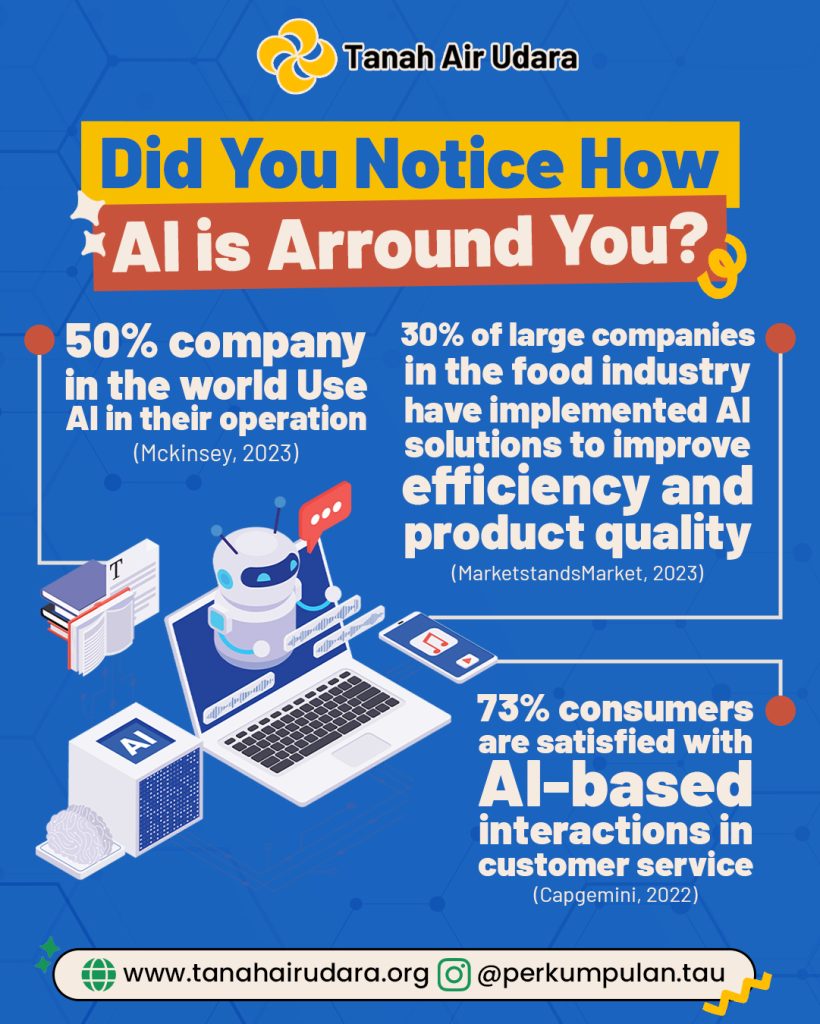
Food Processing Industry
Artificial Intelligence (AI) is also making a significant impact on the food industry across multiple areas. Here’s a summary of the benefits:
- Sorting Food Quality: AI-driven computer vision systems can quickly and accurately inspect food products for defects or damage, ensuring only high-quality items are sent to consumers.
- Streamlining Supply Chain Management: By predicting demand, optimizing inventory, and analyzing logistics, AI enhances the efficiency of the food supply chain, helping to prevent overstocking or shortages and reducing costs.
- Maintaining Food Safety: Continuous monitoring with AI can detect contamination risks and temperature changes in production environments, allowing for swift action to ensure food safety and compliance with regulations.
- Food Product Development: AI helps analyze market trends and consumer preferences to guide the creation of new food products. It can also forecast future trends, enabling companies to stay ahead of market demands.
- Maintaining Equipment Cleanliness: AI can automate cleaning schedules and methods based on usage data, reducing the risk of cross-contamination and ensuring consistent product quality.
- Improving Food Production Quality: In agriculture, AI supports better crop yields by optimizing planting and harvesting times and recommending the best practices for fertilization and irrigation.
Overall, AI contributes to a more efficient, safe, and responsive food industry, enhancing both production processes and consumer satisfaction. (a.S.)
Connect with us on IG at @perkumpulan.tau or read more about agriculture, food system, and environment at www.tanahairudara.org.